SAEDNEWS: Each of the conquerors who managed to take control of Egypt brought their own culture, technology, and ideas to the country. However, they were also influenced by ancient Egyptian traditions and even called themselves “Pharaoh.”
According to Saed News Society Service, Ancient Egypt was one of the most stable and brilliant civilizations in the world for more than three thousand years. Despite this, the land was repeatedly targeted by foreign powers and conquered by outside rulers.
Each of these conquerors brought their own culture, technology, and ideas to Egypt, but at the same time they were influenced by ancient Egyptian traditions and even called themselves pharaohs. Throughout history, six major empires managed to take control of Egypt.
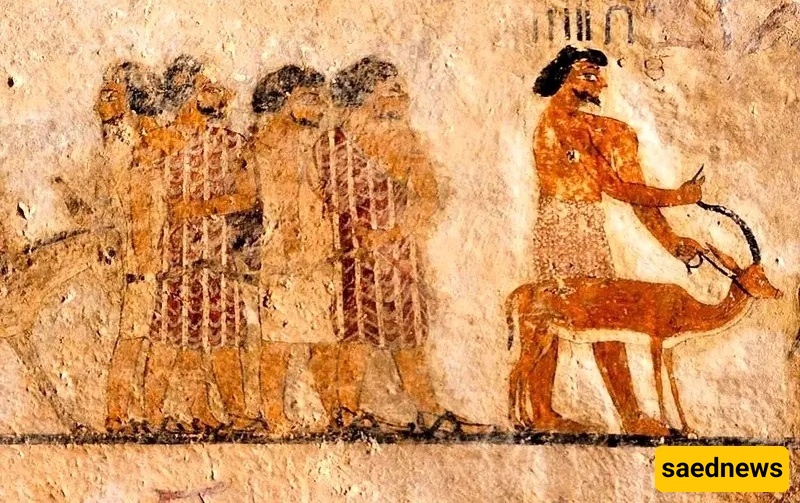
In the late Middle Kingdom period, Egypt was plagued by internal crises, disease, and political conflicts. In such conditions, groups of migrants from Western Asia—mostly Canaanites—gradually gained power in northern Egypt. This group, later known as the Hyksos, established the first foreign rule over Egypt around 1640 BCE.
For a long time, ancient Egyptians considered the Hyksos ruthless invaders, but modern research shows they had gradually entered Egypt over several centuries and later took advantage of the weakening central government.
The Hyksos introduced important technologies such as war chariots, composite bows, and the curved “khopesh” sword. However, they also adopted many Egyptian administrative and artistic traditions.
Eventually, native pharaohs in Thebes revolted against them. After several decades of conflict, Pharaoh Ahmose I defeated the Hyksos around 1550 BCE and expelled them from Egypt.
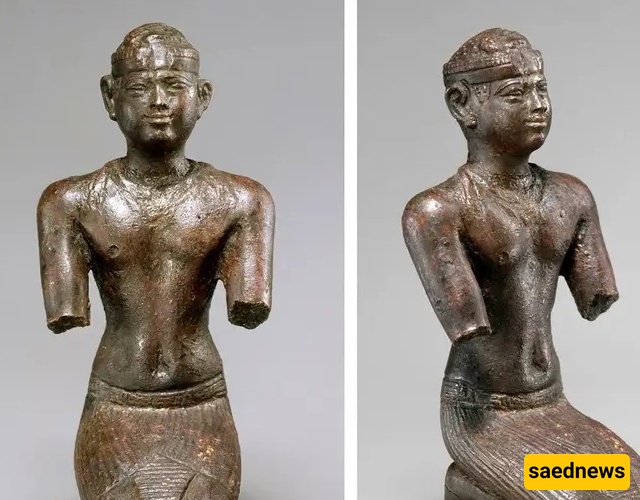
In southern Egypt, there was a wealthy civilization called Kush or Nubia. Egypt had once conquered this region, but after Egypt’s power declined, the Nubians gradually became stronger.
In the 8th century BCE, a ruler named Piye marched north and captured much of Egypt, founding the 25th Dynasty. His successors ruled both Egypt and Nubia and attempted to restore the glory of ancient Egyptian traditions.
Kushite pharaohs rebuilt temples and considered themselves the true heirs of Egyptian civilization. However, their rule ended with the rise of a far more dangerous power: the Assyrians.
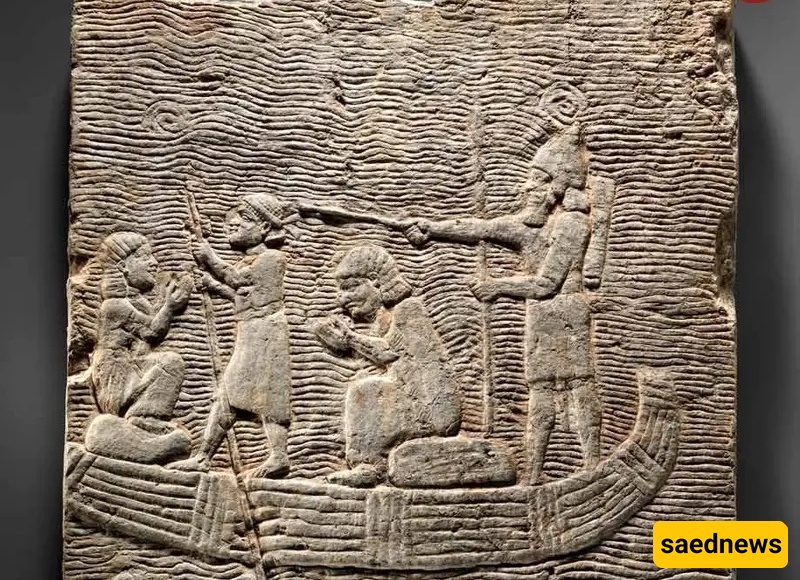
In the 7th century BCE, the Assyrian Empire was the dominant military power of the Near East. The Kushite pharaoh Taharqa initially repelled one of their attacks but was defeated in the second invasion.
In 671 BCE, the Assyrians captured Memphis and took control of much of Egypt. Although Egyptians and Kushites repeatedly rebelled, the Assyrians ultimately prevailed.
In 663 BCE, the Assyrian king Ashurbanipal sacked Thebes. This event is considered one of the most devastating attacks in Egyptian history and marked the end of Kushite rule.
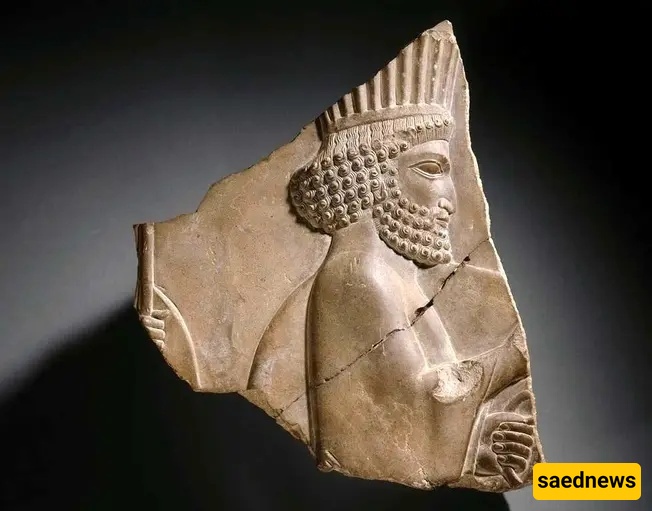
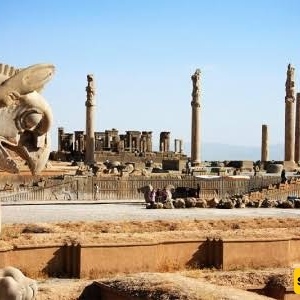
In the 6th century BCE, the Achaemenid Empire, led by Cyrus the Great and his successors, expanded rapidly. After Cyrus’s death, his son Cambyses II decided to conquer Egypt.
In 525 BCE, Cambyses defeated the Egyptians at the Battle of Pelusium and captured Memphis. The last pharaoh of the 26th Dynasty was taken prisoner, and Egypt became a province of the Achaemenid Empire.
Later, Darius the Great carried out major infrastructure projects in Egypt and supported the completion of a canal connecting the Red Sea to the Nile. Although Egyptians rebelled several times, Persia maintained control until the arrival of Alexander the Great.
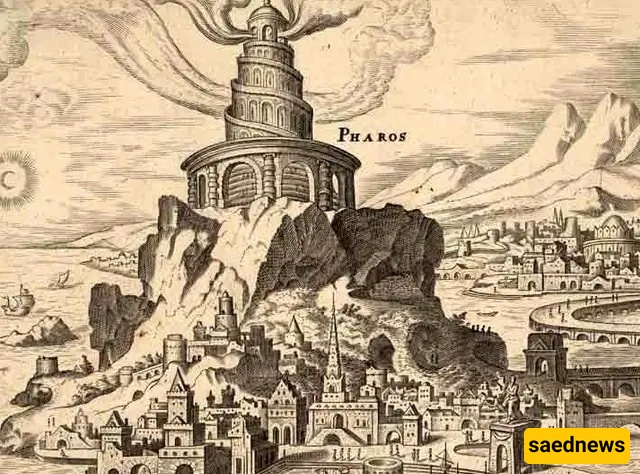
In 332 BCE, Alexander the Great entered Egypt, and the Persian governor surrendered without resistance. Alexander founded the famous city of Alexandria and respected Egyptian temples. He was also declared the son of the god Amun by the priests of the Siwa Oasis.
After his death, one of his generals, Ptolemy I, took control of Egypt and established the Ptolemaic Dynasty. The Ptolemies ruled Egypt for over 250 years. They blended Greek culture with Egyptian traditions, built magnificent temples, and turned Alexandria into one of the greatest intellectual centers in the world.
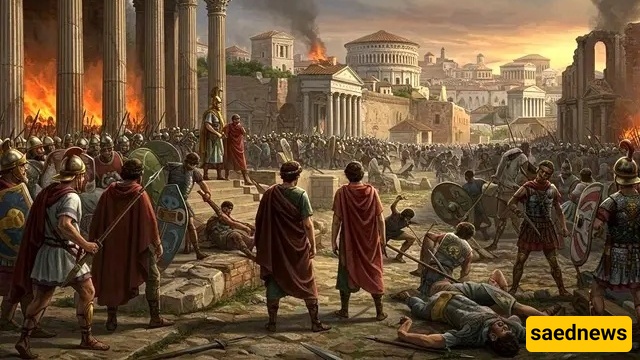
By the 1st century BCE, Ptolemaic Egypt had weakened. Its last famous ruler, Cleopatra VII, became involved in Roman civil wars and political rivalries. She first allied with Julius Caesar and later with Mark Antony. However, at the Battle of Actium in 31 BCE, their forces were defeated by Octavian (Augustus).
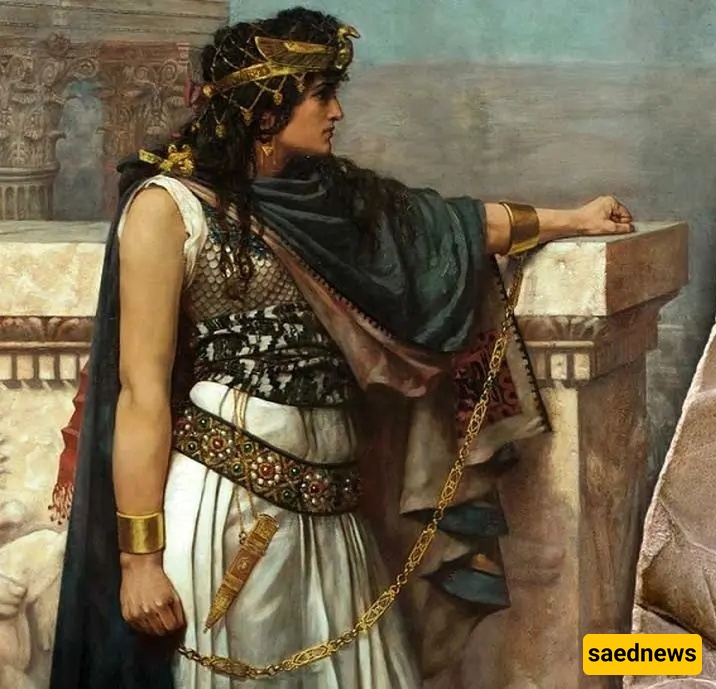
After the suicides of Cleopatra and Mark Antony, Egypt became one of the most important provinces of the Roman Empire in 30 BCE. The Romans ruled Egypt for nearly seven centuries. During this time, Egypt experienced occasional rebellions and temporary occupations, including when the famous queen Zenobia seized Egypt in the 3rd century CE. However, Rome eventually regained control.
Finally, in 641 CE, the Muslims conquered Egypt, marking the definitive end of Ancient Egypt and the end of pharaonic tradition-based rule.