SAEDNEWS: Play is an essential part of childhood. Toys have long been used for fun, learning, and developing children’s social, mental, and physical skills. Over time, they have evolved with changes in society, culture, and technology.

According to the Saed News history service, in ancient and prehistoric times, children’s toys were very simple and often made from natural materials. During this period, toys had a largely educational and training function, and children learned essential life skills through play with these objects.
Dolls were among the earliest known toys used in ancient civilizations such as Egypt and Greece. These dolls were made from natural materials like wood, bone, and clay, and were sometimes shaped like humans or animals. They were used not only for play but also to teach social roles and practice responsibilities.
In ancient times, children played with balls made from animal skins or woven fabrics. Stones were also used as play objects, and children engaged in various games with them. These activities helped improve motor skills and encouraged healthy competition among children.
In various civilizations, including ancient Egypt and Greece, children played with wooden animal figures. These toys were usually handmade, and some even had wheels so they could move.

During the Middle Ages and the Renaissance, social and cultural changes gradually transformed toys as well. Toys evolved from purely educational tools into objects of entertainment and leisure.
Dolls in this period were made from materials such as fabric and ceramics. They were designed and decorated with greater detail, and some even had elaborate clothing. These dolls often reflected the social and cultural status of their time.
Wooden horses with wheels that children could pull became one of the most popular toys of this era. These toys symbolized bravery and warrior skills and helped children engage in imaginative role-playing.
During the Renaissance, intellectual and board games such as chess became popular among both children and adults. These games helped develop strategic thinking and decision-making skills, and many of them remain popular today.
The Industrial Revolution in the 18th and 19th centuries brought major changes to the production and distribution of toys. With mass production and technological advances, toys became widely available to the general public.
With improvements in manufacturing techniques, dolls made from porcelain and metal were introduced. These dolls were more detailed and durable than earlier versions and quickly gained popularity.
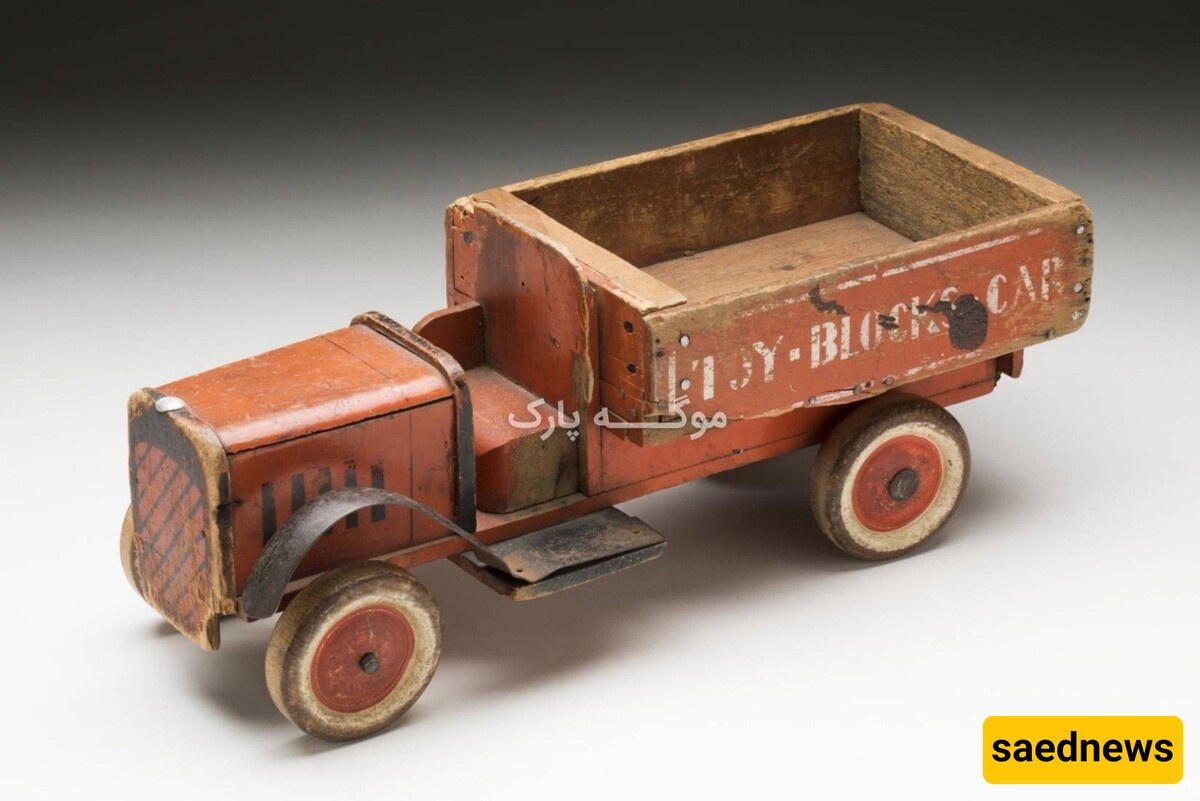
One of the greatest innovations of this period was the production of metal trains and cars. These toys allowed children to become familiar with transportation systems and brought play closer to real-life experiences.
With new technologies, dolls that could move or produce sounds were created. These toys became extremely popular and represented innovation in toy design.
The 20th century saw unprecedented developments in toy design and production. New technologies, cultural shifts, and the growth of the global toy market contributed to major changes.
In the 1950s and 1960s, plastic became the primary material for toy production. Barbie dolls became one of the most famous toys of this era, quickly gaining global popularity and becoming a symbol of fashion and popular culture.
During the same period, construction toys such as LEGO entered the market, allowing children to build and create their own worlds. These toys significantly enhanced creativity and cognitive development.
From the 1970s onward, electronic and computer games gradually became popular among children. With advanced graphics and features, these games introduced children to a new world of digital entertainment.
Indoor and outdoor amusement equipment includes trampolines, swings, slides, playground structures, and indoor play centers, all of which offer various benefits for children.
With the beginning of the 21st century, significant changes have occurred in the toy industry. Advanced technology, social changes, and increased awareness of children’s educational needs have led to the development of new and innovative toys.
Since the 1980s, video games have become one of the most important forms of entertainment for children and teenagers. Game consoles such as PlayStation, Xbox, and Nintendo allow players to engage in virtual worlds that were never possible with traditional toys.
With advances in artificial intelligence and communication technology, smart and interactive toys have entered the market. These toys can talk to children, answer their questions, and even learn how to interact with them.
In recent years, virtual reality and augmented reality games have emerged as the next generation of toys. These games allow children to play in fully immersive 3D environments, offering unique and exciting experiences.