SAEDNEWS: Iran Says U.S. Response to War-End Conditions Falls Short, Strait of Hormuz Talks Remain Unresolved
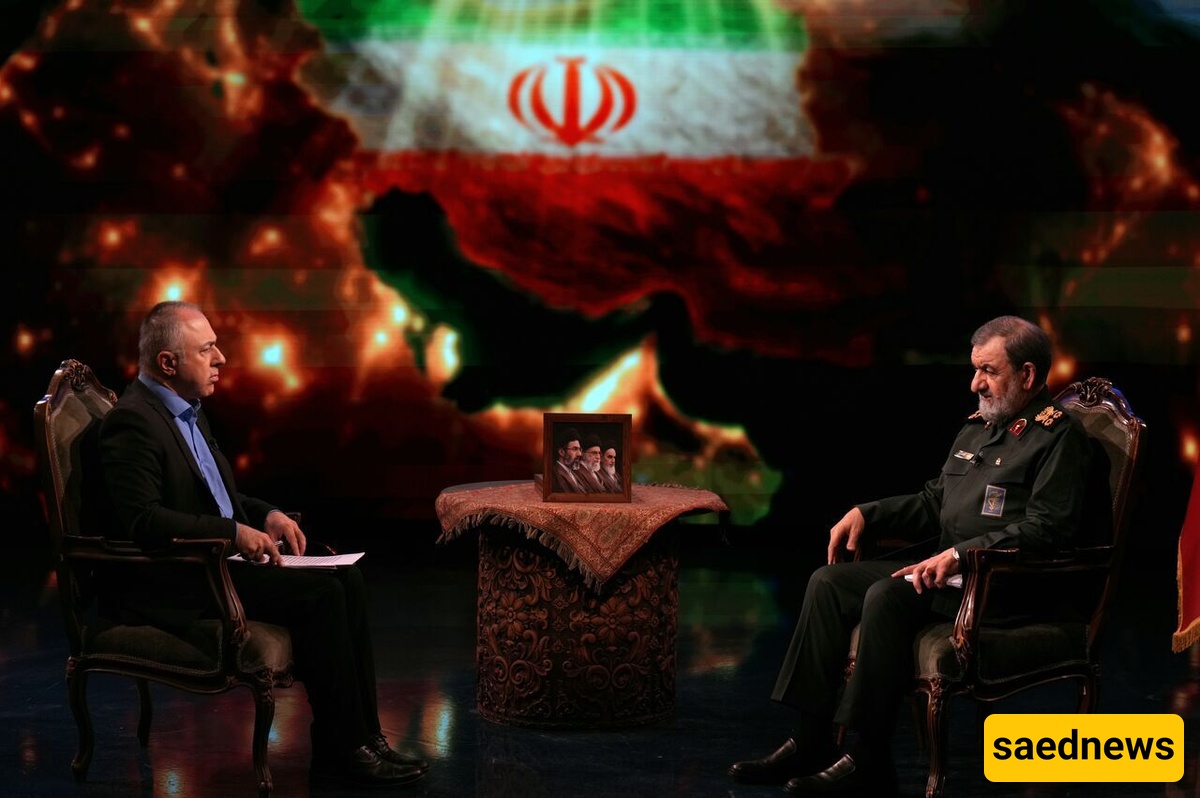
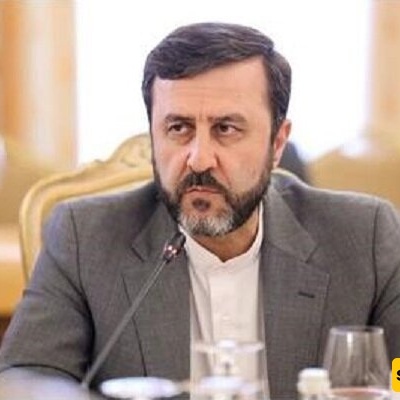
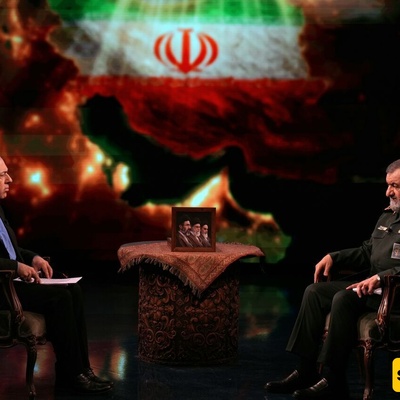
According to Saednews, Rezaei said in an interview with Press TV that the United States had responded to Iran but that its response was insufficient.
“Of course, they must resolve the ambiguities. We must see whether they can address these ambiguities so that the next stages can begin,” he said.
Rezaei noted that Iran had held three rounds of negotiations with the United States, but Washington had left the negotiating table before completing the process and attacked Iran each time.
“Therefore, we will no longer return to those previous diplomatic models. A party that signs an agreement and then withdraws from it must naturally be dealt with through a different approach to diplomacy,” he said, referring to US President Donald Trump’s withdrawal from an earlier agreement with Iran.
“Of course, we have never abandoned diplomacy, and we never will. However, we have changed our approach to diplomacy,” he added.
Rezaei said that over the past two months, the United States had sent proposals to Iran through three channels—Pakistan, Qatar, and even Iraq—and asked Tehran to submit its own proposals.
“We announced seven conditions to the Americans. If they do not implement these conditions, the Strait of Hormuz will not open to them, and there will be no negotiations,” he said.
According to Rezaei, Washington has now responded, accepting some of Iran’s conditions while leaving ambiguities regarding others.
Rezaei, who also represents the Leader of the Islamic Revolution on the Supreme National Security Council, stressed that the end of the war rests in the hands of the Iranian nation. He said Iran would continue its resistance, steadfastness, and defense until the enemy recognizes and respects its rights.
He described the US attack on Iran as “one of the most foolish wars in human history—an oppressive, evil, and inhumane war waged against Iran.”
Rezaei said the administration of Donald Trump had entered the war without proper assessment or calculation, “blindly handing its reins” to Israeli Prime Minister Benjamin Netanyahu.
“They thought they could end the war in a short time and present Trump as one of the great heroes of American history. But today, because of that same foolishness, they cannot get out of the war. American wise men must step in, take them by the hand, and pull them out,” he said.
Speaking about Iran’s management of the conflict, Rezaei said Tehran had made precise calculations from the outset and had managed the battlefield effectively, adjusting its military strategy according to developments.
“During the 12-day war, we revealed very little of our capabilities and did not deploy many of our assets. We tried to increase the intensity of our operations in proportion to the intensity of the war initiated by the United States. The 40-day war was different; we deployed more assets and put them to use,” he explained.
“Today, we are fully prepared to introduce new capabilities if the war begins again,” he added.
Asked how Iran would respond in a potential new war, Rezaei said the US economy’s vital interests were concentrated in West Asia, where Washington maintained highly expensive assets.
“We had not yet included these among our targets. However, if war breaks out, many cables, data centers, and artificial intelligence centers—which are extremely expensive in financial terms—will be within firing range,” he said.
“The value of these cables, data centers, and AI centers exceeds $2 trillion,” he added. “Certainly, if a conflict occurs today, we will confront the enemy with a broader plan.”
Rezaei also pointed to what he described as repeated enemy failures in recent months, both in military aggression and in imposing a naval blockade.
Rezaei described Iran’s management of the Strait of Hormuz as a major national asset, arguing that the Persian Gulf could not enjoy security without it. He stressed that Tehran would not retreat from its position.
He emphasized that Iran’s control over the strategic waterway was about far more than collecting transit fees.
“Our management of the Strait of Hormuz represents great national wealth and a major national asset. We are not talking merely about collecting fees; the issue is much bigger than that. We can undertake beneficial economic activities in the Strait of Hormuz and collect security, insurance, and environmental charges from ships passing through it. But the value of managing the Strait of Hormuz for us is far greater than these matters: it is about controlling security,” he said.
“The Strait of Hormuz was open before the war and there were no problems. From now on, we will manage the Strait of Hormuz, and it will remain under our management to establish peace and security in the region. We will not retreat from this position,” he added.
Rezaei said that although governments manage economies around the world, smuggling and underground economic activities exist everywhere.
“Mr. Trump has come and is engaging in smuggling operations with a number of these bandits in the rocky coastal waters of Oman. Then, every day, he tweets that the Strait is open. You are engaging in smuggling,” he said.
Rezaei added that Iranian forces strike some of these vessels every night.
“Previously, captains and navigators received between $10,000 and $15,000. Now they receive $100,000. A smuggling operation involving enormous costs and serious risks is taking place along the southern coast,” he said.
He continued by questioning Trump’s claims about taking control of Iranian oil.
“Trump says, ‘I am taking the oil.’ But what about gas? Gas is not passing through. Helium is not passing through, and chemical fertilizers are not passing through either. Before the war, at least 100 ships carrying oil, gas, energy products, and petroleum products passed through here. How many ships are passing through now?” he asked.
Rezaei said Trump had recently claimed that he did not know whom to speak with in Iran.
“That is obvious: you must speak with the Iranian nation,” he said.
“You say you want to erase the Iranian nation and destroy Iranian civilization. Instead, you are mobilizing the Iranian people against yourselves even more. You speak disrespectfully to the Iranian people, making them even more determined to sink you deeper into the quagmire,” he added.
Rezaei reiterated that the end of the war rests with the Iranian nation, which will not abandon its resistance or defense until its rights are recognized.
“The Iranian nation will remain steadfast throughout this war until it secures all its rights and defends itself,” he concluded.