SAEDNEWS: Rewarding Children: Does This Common Parenting Approach Always Work?
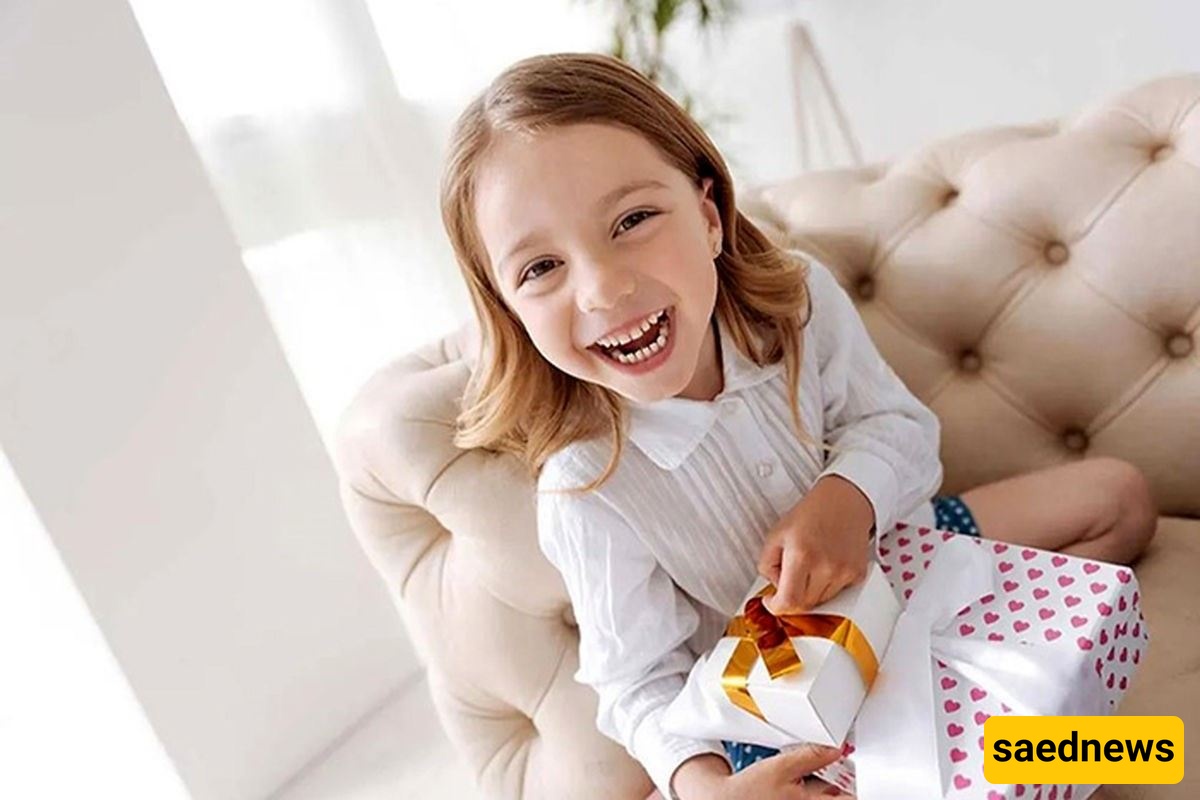
According to Saednews, Rewarding children involves providing a pleasant stimulus after they demonstrate a desired behavior. This reward can be material, such as a toy or a treat, or emotional, such as praise, a hug, or attention. The primary goal is to increase the likelihood that the child will repeat the desired behavior in the future. For example, when a child puts away their toys and their parents praise them, the child learns that this behavior is valued.
Rewarding children is fundamentally different from punishing them. Punishment relies on fear and coercion, whereas rewards are based on encouragement and motivation. However, rewards can also become a means of control when used incorrectly. Understanding the difference between healthy and unhealthy rewards is therefore essential.
One of the most important aspects of rewarding children is distinguishing between a reward and a bribe. A reward is agreed upon in advance and given after the desired behavior occurs. For example, parents might say, "If you tidy your room, we can go to the park together after lunch." This is a clear and fair agreement.
A bribe, on the other hand, is usually offered during a difficult situation to stop unwanted behavior. For instance, a child starts crying in a store, and the parents immediately buy them chocolate to make them quiet. In this situation, the child may learn that crying and whining are ways to get what they want. Bribing children can reinforce negative behavior and gradually undermine parental authority.
From a psychological perspective, rewarding children is rooted in the theory of positive reinforcement. B. F. Skinner, a behavioral psychologist, demonstrated that behaviors followed by positive reinforcement are more likely to be repeated. When a child receives a reward after displaying a desirable behavior, their brain forms an association between that behavior and a pleasant outcome.
However, more recent theories, such as self-determination theory, emphasize the importance of intrinsic motivation. Intrinsic motivation means doing something because of enjoyment, curiosity, or personal value rather than for an external reward.
Research suggests that excessive reliance on external rewards can sometimes undermine intrinsic motivation. For example, a child who loves drawing might gradually begin drawing only for money if they receive payment for every picture, potentially losing some of the enjoyment they once found in the activity.
Therefore, rewards should be used in ways that strengthen rather than suppress intrinsic motivation. Verbal encouragement, positive attention, and opportunities to make choices can help preserve a child's internal drive.
Rewards can be divided into several categories.
These include toys, treats, money, and clothing. Material rewards can produce immediate results, but excessive use may cause children to become dependent on them and expect a prize for every small task.
Examples include praise, hugs, kisses, smiles, and encouraging phrases such as "Well done!" These rewards meet a child's emotional needs and can have lasting positive effects.
These may include permission to play with friends, invitations to social gatherings, or spending quality time with parents. Such rewards can also help strengthen children's social skills.
Examples include trips to the park, cinema visits, museum outings, or short family trips. These experience-based rewards create enjoyable memories and provide opportunities for shared experiences.
The best approach is to combine emotional encouragement with occasional material and activity-based rewards. Emotional rewards should generally take priority because they help children understand that their behavior has value beyond the prize they receive.

Using rewards appropriately can offer several benefits:
Encouraging positive behavior: Children learn which behaviors are acceptable and desirable.
Building self-confidence: Positive feedback helps children recognize their ability to make good choices and accomplish tasks.
Developing healthy habits: Rewards can help establish routines such as brushing teeth, reading, and keeping things organized.
Strengthening the parent-child relationship: Rewards accompanied by affection can deepen emotional bonds.
Reducing family tension: Encouragement can create a more positive home environment than frequent arguments and punishment.
Teaching responsibility: Children learn that effort and responsible behavior can lead to positive outcomes.
When rewards are used inappropriately, they can have several negative consequences.
Dependence on rewards: Children may work only to receive a prize and lose motivation when no reward is offered.
Reduced intrinsic motivation: The natural enjoyment of learning and completing tasks may diminish when external rewards become the primary incentive.
Bribery: Children may learn that crying, whining, or being stubborn can help them get what they want.
Unhealthy comparisons: Rewarding one child in comparison with a sibling can create jealousy and excessive competition.
Unrealistic expectations: Children may come to believe that every task should earn them a reward.
Dishonesty: If a reward is excessively valuable, some children may be tempted to cheat or lie to obtain it.
Rewarding children should be adapted to their developmental stage.
Children under three: Rewards should be immediate and simple. Praise, hugs, and small treats may be effective.
Children aged three to six: Star charts, stickers, and small rewards can help reinforce positive habits.
Children aged seven to twelve: Rewards may include favorite activities, additional playtime, or books.
Teenagers: Rewards should respect their growing independence and autonomy. Appropriate options may include money, greater freedom, or the opportunity to choose activities.
The most effective reward is one that matches the child's age, interests, and level of understanding.
To make rewards more effective, parents should follow these principles:
Make rewards clear, specific, and achievable.
Provide the reward promptly after the desired behavior.
Choose rewards appropriate to the child's age and effort.
Emphasize effort and progress rather than focusing exclusively on results.
Prioritize emotional rewards, such as praise and positive attention.
Avoid bribing children to stop unwanted behavior.
Be consistent in applying expectations and rewards.
Explain why the child's behavior deserves recognition.
Avoid comparing children with others.
Gradually reduce dependence on external rewards and encourage intrinsic motivation.
Parents may unintentionally make rewards less effective by:
Offering a reward for every small task.
Making promises that are excessive or impossible to fulfill.
Giving rewards after misbehavior simply to calm the child down.
Using money as the primary incentive for academic grades.
Comparing a child with their siblings.
Forgetting to offer verbal encouragement.
Applying reward systems inconsistently.
Avoiding these mistakes can help parents establish healthier expectations and encourage children to develop lasting positive habits.
Rewards can be a valuable part of raising children when used thoughtfully. They can encourage positive behavior, strengthen family relationships, and help children develop responsibility and confidence.
However, relying too heavily on external incentives may create dependence on rewards and weaken a child's internal motivation. The key is to use rewards as a tool for teaching and encouragement rather than as a means of control.
By emphasizing effort, offering genuine praise, maintaining consistency, and gradually encouraging independence, parents can help children understand the value of positive behavior and develop motivation that lasts beyond the reward itself.