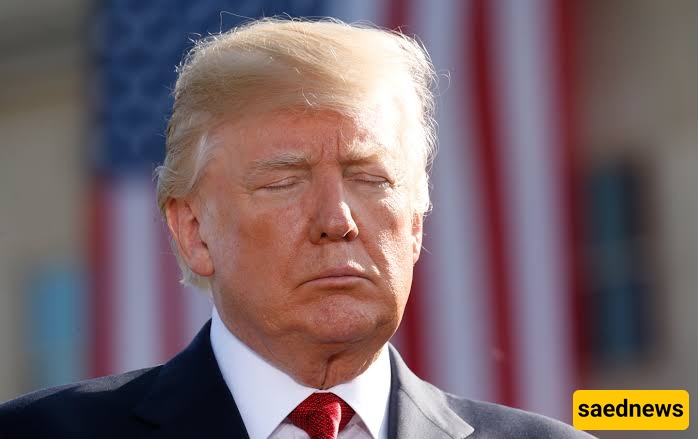
SAEDNEWS: Israel Hayom says Iran is unlikely to surrender under U.S. pressure and may favor escalation instead. The Israeli newspaper argues that Trump could soon face a choice between a dangerous escalation and an embarrassing acceptance of Iranian demands.
According to SaedNews: As the so-called 60-day deadline set during the Islamabad negotiations comes to an end, Israel Hayom has examined possible scenarios for the next phase and the limits facing the United States. The Hebrew-language newspaper says reports of discussions in Iran about an “aggressive approach” — meaning a return to heightened tensions — offer clues about Tehran’s thinking.
The paper argues that Iran does not want an endless war, but is unwilling to accept Trump’s demands or surrender the gains it believes it achieved during the conflict. For that reason, it says Tehran may prefer escalation over capitulation.
Israel Hayom acknowledges that economic pressure is hurting Iran, but says the consequences are not one-sided. While U.S. sanctions damage the Iranian economy, Tehran can shift some of the costs onto the global economy by disrupting energy supplies and regional stability.
According to the report, Iran will not accept a situation in which Washington can freely benefit from its “maximum pressure” campaign. The longer the economic siege continues, it says, the greater Tehran’s incentive may become to re-enter the conflict and create new sources of leverage.
The newspaper also argues that, contrary to Trump’s expectations, there may be no stable “transitional situation.” Washington cannot avoid paying a price while simultaneously maintaining maximum pressure and refusing an agreement.
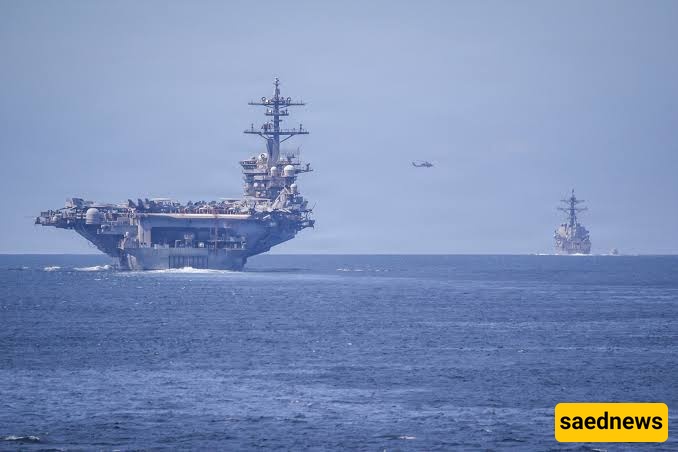
In a prolonged escalation scenario, Israel Hayom warns that freedom of navigation through the Strait of Hormuz could become a distant prospect. More pressure, efforts to tighten a land blockade or another round of sanctions, it says, would not provide a simple solution.
Israel Hayom says sanctions and pressure may make conditions harder for Iran without necessarily defeating it. The greater the pressure, the more likely Tehran may be to increase the costs borne by its adversaries — and by the global economy.
The paper also argues that Washington still appears to struggle to understand Iran’s political system, which can negotiate, make tactical retreats and even change policies, while surrender under pressure conflicts with its fundamental principles.
As a result, the report predicts that frustration in Washington, particularly on Trump’s part, could increase. It concludes that the president may soon face two options: intensifying the confrontation with potentially disastrous consequences, or accepting Iran’s demands in a humiliating manner.