SAEDNEWS: Hezbollah parliamentarian Hussein Jishi says Iran emerged from the recent war stronger than before, while warning that Lebanon’s direct negotiations with Israel could create dangerous consequences if the country’s framework agreement remains undisclosed.
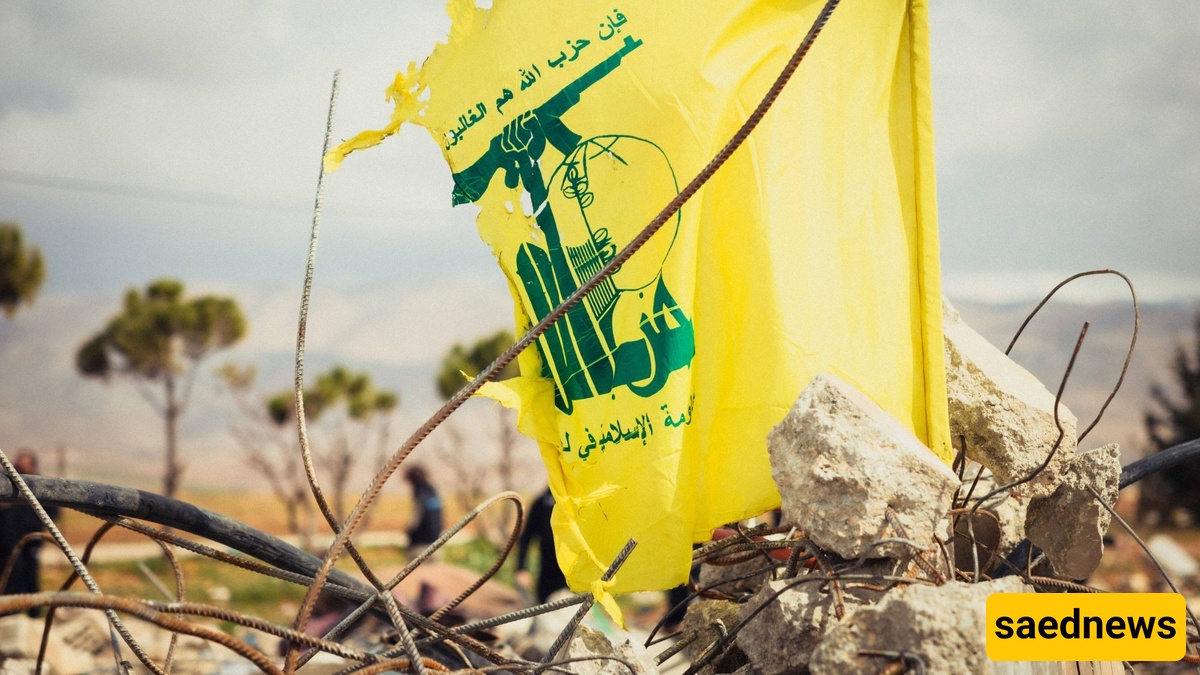
According to SaedNews: Hezbollah parliamentarian Hussein Jishi has delivered a wide-ranging assessment of the latest developments in Iran, Israel and Lebanon, arguing that the recent confrontation between Iran and the United States and Israel failed to achieve its stated objectives and instead strengthened Tehran’s position.
Jishi, a member of Lebanon’s Loyalty to the Resistance parliamentary bloc, made the remarks during a memorial ceremony while discussing what he described as a major American-Israeli effort to dominate the region, control its resources and weaken the resistance movement.
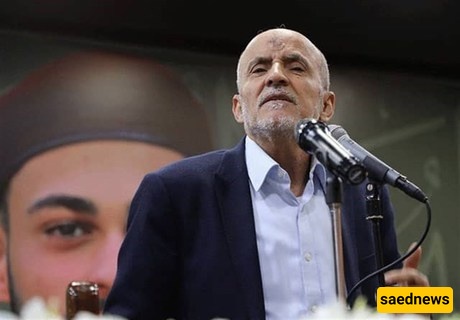
At the center of his argument was Iran. Jishi said the war had not produced the outcome Washington and Israel had sought. In his account, the confrontation demonstrated the limits of attempts to impose political change through military pressure, while leaving Iran in a stronger regional position.
He also pointed to the Strait of Hormuz as part of his argument. Jishi said the waterway had been open before the war and argued that the United States had still been unable to reopen it after the conflict. He cited a recent report in the British newspaper The Telegraph that, according to him, described Tehran as emerging from the war stronger than before.
Jishi further claimed that the campaign launched by Israeli Prime Minister Benjamin Netanyahu and U.S. President Donald Trump with the goal of overthrowing or weakening the Islamic Republic had ultimately produced the opposite effect, including an expansion of Iran’s regional influence.
Those statements represent Hezbollah’s political assessment of the conflict and its consequences. Jishi also turned his attention to Israel’s internal situation, claiming that senior military and security officials had faced consequences after what he characterized as failures to achieve the desired objectives against Iran.
He specifically alleged that Israel’s Mossad intelligence service had dismissed two senior officials and held them responsible for an intelligence failure related to the objective of bringing down Iran’s government.
But Jishi’s most pointed warnings were directed toward Lebanon itself.
He criticized the Lebanese government’s continued pursuit of direct negotiations with Israel and argued that the so-called framework agreement carries risks beyond the immediate question of negotiations. According to Jishi, the most dangerous aspect is the possibility of redefining the relationship between Israel’s presence in Lebanese territory and the weapons held by the resistance.
His argument is that Israel’s military actions against Lebanon cannot simply be attributed to the existence of Hezbollah or other resistance groups. Jishi recalled Israeli attacks and what he described as massacres against Lebanese civilians, arguing that Israel’s first attacks on Lebanon occurred before Hezbollah or the Amal Movement existed.
For Jishi, that historical point is central to the current debate. He argues that Israel’s policy toward Lebanon should be viewed in the broader context of its occupation and military interventions in Arab territories, rather than as a response solely to the presence or activities of Lebanese resistance groups.
The issue of weapons, meanwhile, remains one of the most sensitive political questions inside Lebanon. Jishi described the dispute over weapons as an internal Lebanese matter that should be addressed by Lebanese parties themselves rather than by Israel or other foreign actors.
He also called for Israeli forces to withdraw from Lebanese territory, describing their continued presence as an occupation and arguing that it violates international law and international conventions.
Jishi strongly rejected any arrangement that would make the withdrawal of Israeli forces conditional on the disarmament of the resistance. In his view, tying the two issues together would create a dangerous precedent and provide Israel with concessions without guaranteeing an end to the occupation.
He further argued that the agreement had effectively provided benefits to Israel, pointing to Israeli officials’ positive reaction to the arrangement as evidence of his claim.
The Hezbollah lawmaker concluded by demanding greater transparency. He called for the full text of the agreement to be read and publicly disclosed so that Lebanese citizens can understand what has been negotiated, what commitments have been made and what consequences may follow.
The broader message from Jishi was clear: he believes Lebanon is facing a critical political moment in which the details of its dealings with Israel could have consequences extending well beyond the immediate negotiations.
His comments also place the debate over Iran and Lebanon within a single regional framework. In his view, the outcome of the Iran conflict, Israel’s actions in Lebanon and the future of the resistance are closely connected questions.
Whether other Lebanese political forces share that assessment remains a matter of domestic debate. But Jishi’s intervention underscores how sharply divided the country remains over negotiations with Israel, the future of resistance weapons and the question of Israeli military presence on Lebanese territory.
For Hezbollah, the central demand is transparency: Lebanese officials should disclose the agreement, clarify its consequences and explain how the government intends to address what Jishi considers the continuing issue of Israeli occupation.