SAEDNEWS: Ayatollah Khamenei has appointed Mohsen Rezaei as his representative on Iran’s Supreme National Security Council, citing Rezaei’s extensive experience and his role during the eight-year Iran-Iraq War.
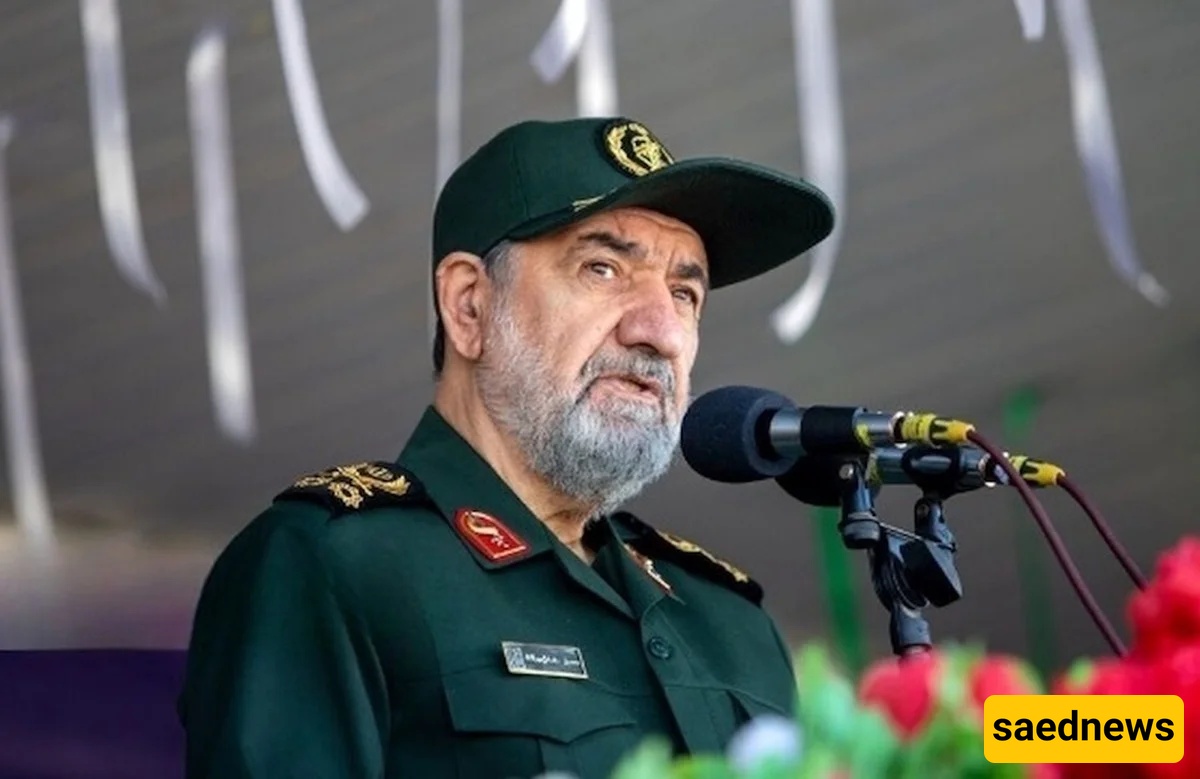
According to SaedNews: Ayatollah Khamenei has appointed Mohsen Rezaei as his representative on Iran’s Supreme National Security Council, giving the veteran political and military figure a new role at one of the country’s most important national security institutions.
The appointment was announced in an official decree in which Khamenei highlighted Rezaei’s experience and his history as one of the figures associated with Iran’s eight-year Iran-Iraq War, known in Iran as the Sacred Defense period.
The decree presents the appointment as a responsibility rooted in Rezaei’s previous experience. Khamenei expressed hope that Rezaei would successfully carry out what was described as an important assignment.
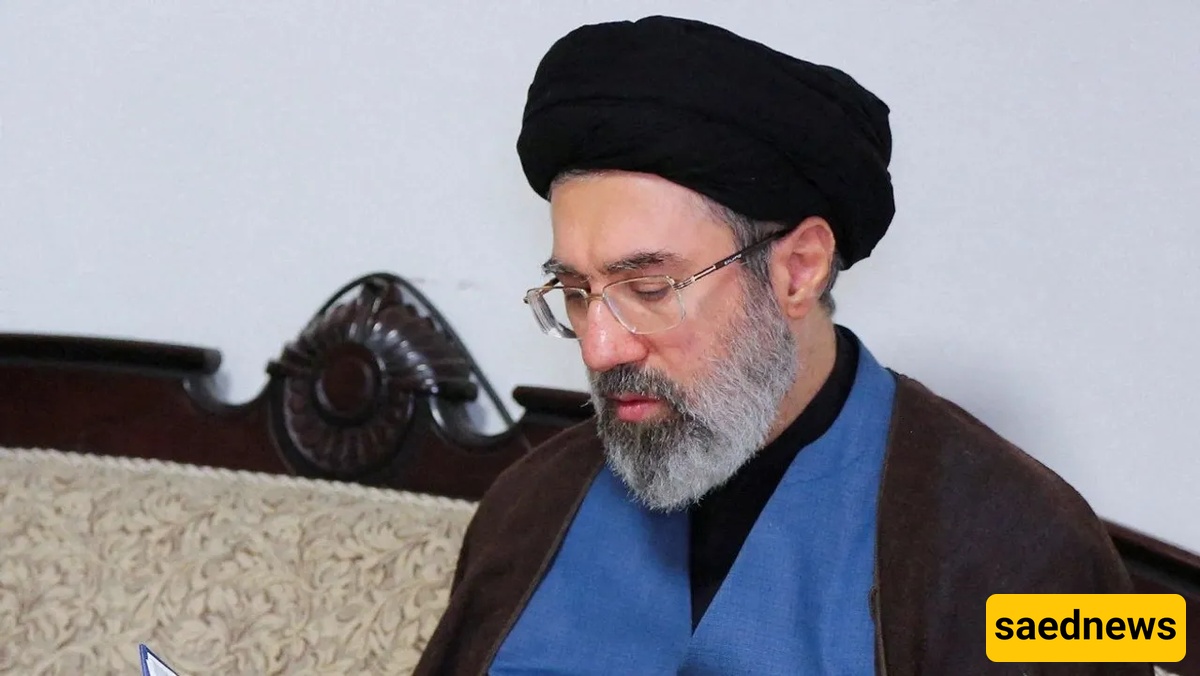
The decision also marks a change in the person representing the Supreme Leader on the council. In the same decree, Khamenei thanked Mohammad Bagher Zolghadr for his efforts, specifically acknowledging his “round-the-clock” work.
The Supreme National Security Council occupies a central position in Iran’s national security structure. A new representative of the Supreme Leader therefore brings attention to the experience and background of the person taking the position, particularly when that figure has spent decades in senior military and political roles.
Rezaei is a prominent figure in Iran’s post-revolutionary political history. His name became particularly associated with the Iran-Iraq War, during which he was among the senior figures involved in Iran’s military command structure. That experience later became an important part of his political profile.
His career subsequently extended well beyond the battlefield. Rezaei became involved in Iran’s political affairs and held senior government responsibilities, giving him experience across both security and political spheres.
That combination is especially relevant to the role outlined in the new decree. Rather than describing the appointment simply as a change of personnel, the wording of the announcement places considerable emphasis on Rezaei’s accumulated experience.
The decree also carries a distinctly formal tone, referring to Rezaei as a veteran of the country’s eight-year defense period and expressing hope that he will succeed in carrying out his new responsibilities.
At the conclusion of the decree, Khamenei offered a religious and patriotic message, expressing hope that Rezaei would continue to serve the Iranian people as a committed “soldier” and devote himself to the country’s interests.
The appointment comes with the Supreme National Security Council remaining a key forum for addressing major issues connected to Iran’s national security and strategic interests. The identity and experience of the Supreme Leader’s representative can therefore attract considerable attention, particularly when the appointee is a figure as recognizable as Rezaei.
Another notable element is the acknowledgment of Zolghadr, whose work in the position was explicitly praised in the decree. Khamenei thanked him for his sustained efforts before announcing Rezaei’s appointment.
For Rezaei, the new assignment adds another chapter to a career that has crossed military command, national security and political activity. His background gives him familiarity with some of the most consequential security questions Iran has faced over the past several decades.
The announcement itself, however, does not provide details about specific new policies or initiatives that Rezaei is expected to pursue in the council. It focuses instead on the appointment, his experience and the expectation that he will successfully fulfill the responsibility.
That distinction is important. The decree establishes Rezaei’s new institutional role, but it does not set out a detailed policy program or explain how his presence will change the council’s future deliberations.
Still, the appointment places a familiar and experienced figure once again in the spotlight of Iran’s national security establishment. For observers of Iranian politics, Rezaei’s return to a prominent security role is likely to draw attention precisely because of the unusual breadth of his career.
From the difficult years of the Iran-Iraq War to senior political responsibilities in later decades, Rezaei has remained a recognizable figure in Iran’s public life. His latest appointment now adds another position to that long trajectory.
The decree ends with a wish that he continue serving Iran and its people. What direction his new responsibilities will take within the Supreme National Security Council will become clearer through his future activities. For now, the appointment itself signals that a veteran of Iran’s military and political establishment has been entrusted with a new role at the country’s highest level of national security decision-making.