SAEDNEWS: Seyyed Mojtaba Khamenei has appointed Mohammad-Bagher Zolghadr as his political adviser in a formal decree, citing Zolghadr’s valuable experience. The appointment was announced through the text of the leader’s written order.
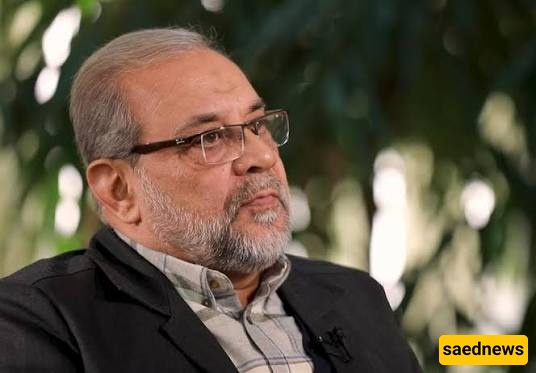
According to SaedNews: A new political appointment has been announced at the highest level of Iran’s leadership, with Seyyed Mojtaba Khamenei naming Mohammad-Bagher Zolghadr as his political adviser.
The appointment was made through a formal written decree in which Khamenei referred to Zolghadr’s “valuable experience” as the basis for assigning him the new responsibility.
The announcement is brief, but the wording of the decree makes clear that the new position is intended to draw on Zolghadr’s previous experience in political and public affairs. Rather than detailing specific duties, the order formally establishes his role as political adviser to the leader.
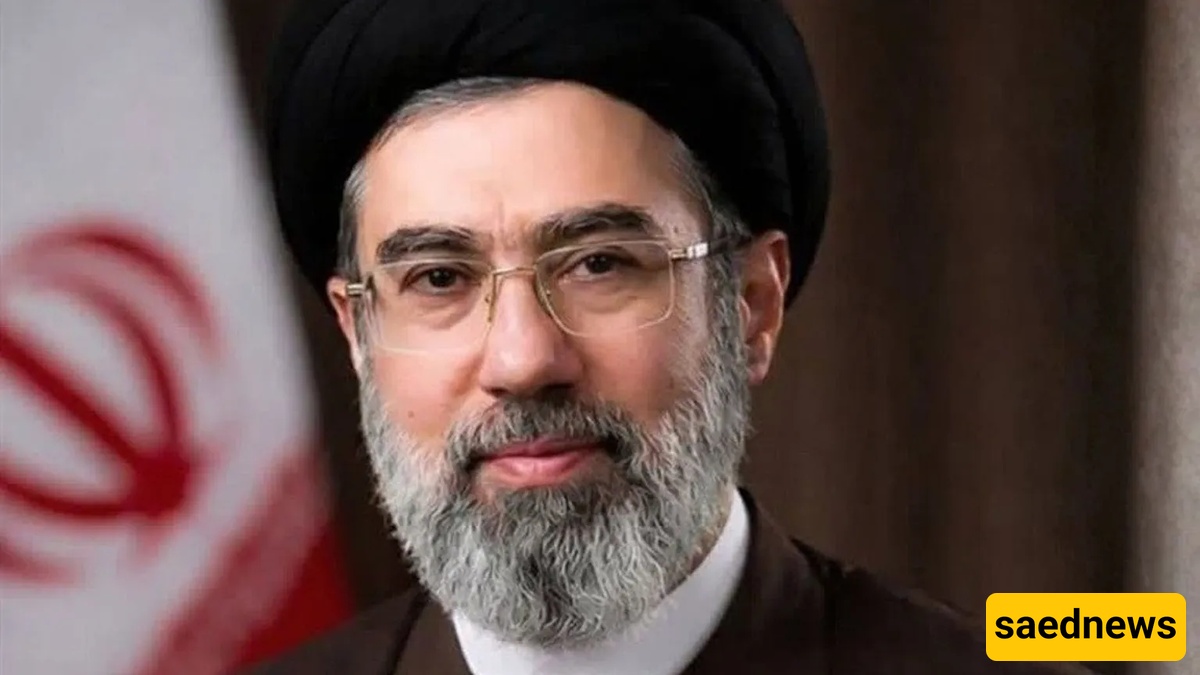
The decree was addressed directly to Zolghadr and opened with a formal religious invocation. Khamenei then described him as a respected “brother” before announcing the appointment.
The central passage of the order states that, in light of Zolghadr’s valuable experience, he is being appointed as the leader’s political adviser.
The decree does not provide a detailed description of the scope of the position, the issues Zolghadr will be expected to handle, or the specific political responsibilities that will fall under his new role.
That absence of detail is notable because the appointment itself is presented in a highly concise format. The document focuses on the decision to appoint Zolghadr and the expectations attached to the responsibility rather than outlining a broader political program.
Khamenei also expressed hope that Zolghadr would succeed in carrying out the assignment and in advancing the goals of the Islamic Revolution.
The closing section of the decree includes a religious reference, expressing the hope that Zolghadr would receive success and support under the guidance of the Islamic Revolution’s religious tradition and the invocation of Imam Mahdi, referred to in the text as the “Master of the Age.”
The document concludes with the signature of Seyyed Mojtaba Khamenei.
The appointment places Zolghadr in a formal advisory role directly connected to the leadership. The title itself—political adviser—indicates that his new assignment concerns political matters, although the decree does not specify particular policy areas or initiatives.
For now, the available information provides no further explanation of why the appointment was made at this particular time or whether it is connected to any specific political development.
There is also no additional information in the decree about changes to other positions or about whether Zolghadr will retain any other responsibilities.
Instead, the document concentrates on one decision: assigning him to serve as political adviser.
The reference to his “valuable experience” is the main justification explicitly offered in the decree. No further biographical details, assessments or examples of that experience are included in the announcement itself.
That makes the wording of the order especially important. The appointment is framed as a decision based on experience and accompanied by an expectation that the new adviser will contribute to the broader goals identified by the leadership.
The announcement also illustrates the formal nature of senior appointments within Iran’s leadership structure. A short decree can establish a new responsibility without publicly setting out every operational detail of the position.
As a result, the immediate significance of the appointment lies in the new title and direct relationship with the leader, while the practical scope of the role remains unspecified in the published decree.
The move is likely to prompt interest in what political issues Zolghadr may be asked to advise on and how his experience could be used in the new position. However, the available announcement does not answer those questions.
At this stage, it would therefore be premature to attach specific political initiatives or policy changes to the appointment without additional information.
What is clear from the decree is that Mohammad-Bagher Zolghadr has been formally selected to serve as political adviser to Seyyed Mojtaba Khamenei.
The order cites his experience, expresses confidence in his ability to fulfill the responsibility, and links the assignment to the broader objective of advancing the goals of the Islamic Revolution.
Beyond that, the decree remains deliberately concise.
There are no details in the text about the adviser’s first assignments, his expected areas of focus, or the timetable for his work.
Those unanswered questions may become clearer if further statements or official information are released.
For now, the announcement represents a new formal role for Zolghadr within the leadership’s political structure. Its significance will ultimately depend not only on the title itself, but also on the responsibilities and activities that emerge from the appointment.
The decree closes with a prayer for success and support, leaving the focus firmly on the new responsibility and the expectations attached to it.
As attention turns to the next steps, the key question for observers will be how Zolghadr’s new advisory role develops and whether further details are provided about the political matters he will be expected to address.