SAEDNEWS: A $300 billion private investment fund will be created under upcoming Iran–U.S. agreements to support Iran’s economic development and infrastructure reconstruction, with $150 billion already pledged by global investors. It will be fully private-sector driven and independent of sanctions relief.
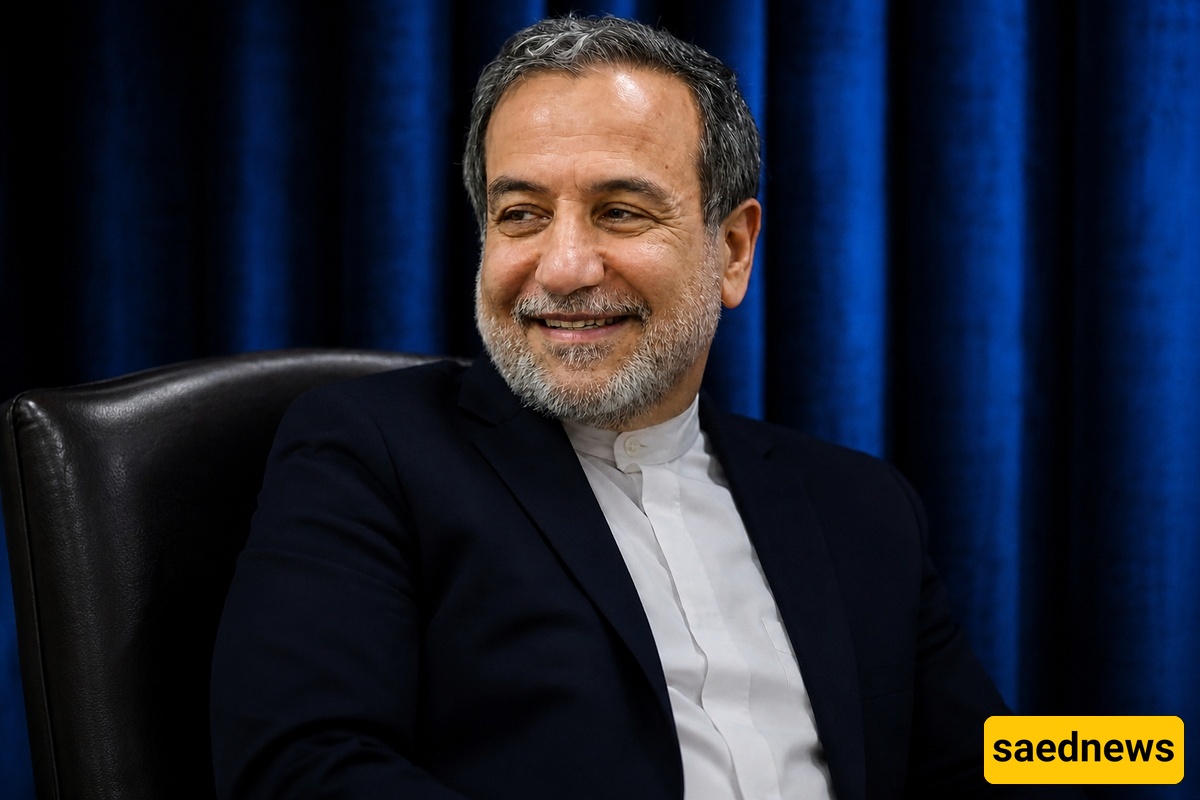
According to the policy section of the Saed News news agency, reports indicate the formation of a massive financial mechanism for Iran’s economy; a plan included in ongoing negotiations between Tehran and Washington aimed at attracting $300 billion in foreign investment. According to informed sources speaking to Reuters, $150 billion of this amount has reportedly already been secured by international companies.
This new financial instrument, known as the “Reconstruction and Development Fund,” is expected to be officially unveiled on Friday alongside the potential signing of a final agreement. Contrary to initial assumptions, the fund does not include any form of government financial assistance, and its entire budget will be provided by the private sector from the United States, the Gulf region, Asia, South America, and Africa.
A senior Iranian source revealed that, at the beginning of the negotiations, Tehran had requested $400 billion as war reparations from the United States. However, after Washington’s opposition, this demand was replaced by the idea of creating a joint investment fund.
The main goal of this mechanism is to inject capital into the main arteries of Iran’s economy. This participation would be carried out through loans, credit lines, and direct project financing, focusing on rebuilding infrastructure facilities such as the Mobarakeh Steel Complex, refineries, airports, and the development of energy, logistics, and transportation sectors.
The attractiveness of this plan for foreign investors stems from Iran’s untapped potential: a country with the world’s second-largest natural gas reserves and fourth-largest oil reserves, a population of 92 million that is largely young and educated, and significant untapped opportunities in petrochemicals, mining, agriculture, and tourism.
One of the key points emphasized by informed sources is the full independence of this fund from the parallel process of sanctions relief and the release of frozen Iranian assets. These two pathways are described as completely separate financial mechanisms with different goals and timelines.
However, the operationalization of the $300 billion fund depends on two main factors. First, the signing of a final and satisfactory agreement between Tehran and Washington within a 60-day negotiation window. During this period, fund managers and Iranian teams will finalize the scope of projects.
The second factor involves strict U.S. conditions for Iran’s access to these resources. According to recent White House positions and statements by J.D. Vance, the inflow of these funds into Iran would be conditional on Tehran’s full compliance with the agreement, including dismantling its nuclear program, eliminating enriched material stockpiles, and accepting strict inspections.
At present, major companies from South Korea, Japan, Singapore, Malaysia, and the United States have committed to participating in this massive project, although details regarding the governance and management structure of the fund are still under development.