SAEDNEWS: Neglecting prayer is an act of ingratitude and a denial of Allah’s blessings, for it is like removing the central pillar of religion, as prayer is the foundation of faith.

According to Saednews, Abandoning prayer and worship makes human creation and life seem meaningless and futile, even though human beings were created to worship God. Neglecting prayer and supplication also means giving up one of the most spiritually fulfilling experiences of human life.
The Holy Quran, which contains guidance and instructions for a prosperous and righteous life, mentions khums (one-fifth religious tax) in one verse, fasting in 13 verses, Hajj in 18 verses, and zakat in 23 verses. However, more than 122 verses address prayer, highlighting its importance, rulings, and related matters.
Some Islamic narrations describe deliberately abandoning prayer as an act associated with disbelief. One narration states:
“Whoever deliberately abandons prayer has disbelieved.” — Allama Majlisi, Bihar al-Anwar, Vol. 30, p. 673.
There are two different situations:
Neglecting prayer out of laziness or carelessness: A person may fail to pray because of ignorance, laziness, or negligence without rejecting the obligation of prayer. According to the article, such a person is not necessarily considered a disbeliever in the legal or doctrinal sense, although neglecting a divine obligation is a serious sin.
Rejecting the obligation of prayer: If someone fundamentally denies prayer as an established religious obligation, the article explains that this may be treated differently under Islamic jurisprudence, potentially carrying the legal consequences associated with disbelief.
Question 315: A group of friends rented a house together and discovered that one of them did not perform prayers. When asked, he replied that he believed in Almighty God in his heart but did not pray. Since they frequently shared meals and interacted with him, should they consider him ritually impure?
Answer: Merely abandoning prayer, fasting, or other religious obligations does not make a Muslim an apostate or a disbeliever, nor does it render that person ritually impure. Unless apostasy has been established, the person is treated like other Muslims.
Source: Hedana website, based on the religious rulings of Grand Ayatollah Khamenei.
Question: Under what circumstances is a person who abandons prayer considered a disbeliever, and is such a person ritually impure?
Answer: Merely abandoning prayer does not constitute disbelief, although doing so is a major sin.
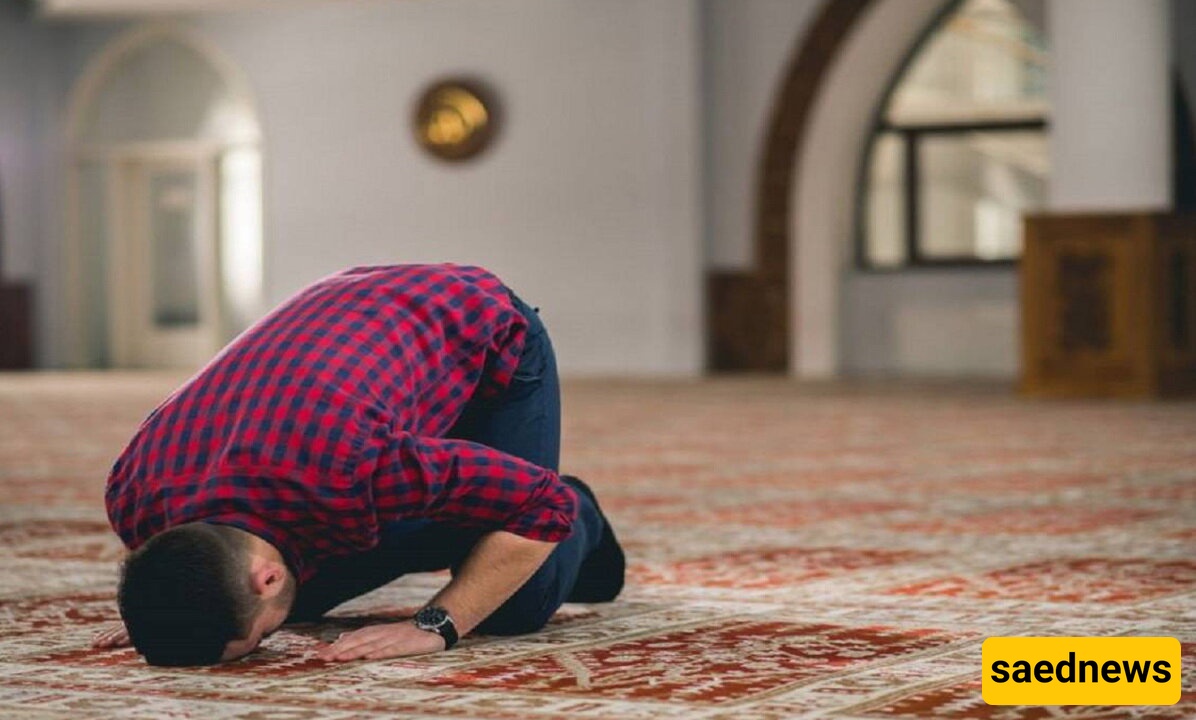
The prohibition against abandoning prayer is presented as more serious than many other prohibited actions. When committing certain sins, a person may not intend to disrespect God or religion; rather, human desires and weaknesses may overcome them. After committing such a sin, the person may feel deep fear of God and repent.
Abandoning prayer, however, is described as stemming not merely from the dominance of physical desires but from weak faith and disregard for God's commands.
What pleasure can there be in a prayer performed reluctantly, viewed as an inconvenient and pointless task?
Those who seek only material possessions and fleeting pleasures should remember that life passes quickly. Sooner or later, everyone will enter the grave and face accountability for their actions.
If you feel that you have no time to pray today, take a few minutes to consider this question: What will you say when asked why you did not pray?
Will you be able to dismiss the question with excuses such as, “We have already taken our medication,” or “We have not yet reached the age at which religious duties become obligatory”?
The Prophet Muhammad (peace and blessings be upon him and his family) reportedly said:
“Whoever deliberately abandons prayer without a valid excuse has withdrawn from the protection of God and His Messenger.”
Source: Uyun Akhbar al-Ridha, Vol. 1, p. 285.
During prayer, a Muslim repeatedly recites:
“You alone we worship, and You alone we ask for help.”
Through these words, the worshipper seeks assistance from God. A person who abandons prayer deprives themselves of this spiritual practice of seeking help from the One who possesses power, mercy, knowledge, and wisdom.
Imam al-Sadiq (peace be upon him) narrated from his father that the Prophet Muhammad (peace be upon him) said:
“Satan remains fearful of and distant from the son of Adam as long as he performs his five daily prayers on time. But when he neglects them, Satan becomes emboldened against him and leads him into major sins.”
Source: Thawab al-A'mal wa Iqab al-A'mal, p. 230.
According to the article, neglecting prayer can weaken a person's faith, diminish their spiritual connection with God, deprive them of the regular practice of seeking divine guidance and help, and make them more vulnerable to temptation and wrongdoing.
Prayer is presented not merely as a religious obligation but as a means of spiritual fulfillment, discipline, remembrance of God, and preparation for accountability in the Hereafter.