SAEDNEWS: Eid al-Fitr is one of the most important celebrations for Muslims, and fasting on this blessed day is prohibited. But what are the reasons behind the prohibition of fasting on Eid al-Fitr?

According to Saednews, Ramadan is known as the month of God and is a special opportunity for fasting, worship, and devotion. With the beginning of this blessed month, fasting becomes obligatory for Muslims. However, when Ramadan ends, the crescent moon of Shawwal is sighted and Eid al-Fitr begins, fasting becomes forbidden.
Why is fasting prohibited on Eid al-Fitr? What makes fasting on this day not merely discouraged, but actually forbidden, while eating, celebrating, and expressing gratitude to God are encouraged? Below is a simple and clear explanation of the reasons behind the prohibition of fasting on Eid al-Fitr.
Ramadan is a month in which Muslims fast and prepare themselves for a deeper spiritual journey. After a month of worship, some people may naturally wish to continue fasting. However, Islam emphasizes moderation and balance in all aspects of life, including worship.
Excessive worship, including continuous fasting, can lead to physical exhaustion and spiritual fatigue. Islamic teachings establish specific rules to maintain a healthy balance between spiritual devotion and physical needs. Continuous fasting throughout the year may not be suitable for everyone and could place unnecessary strain on the body.
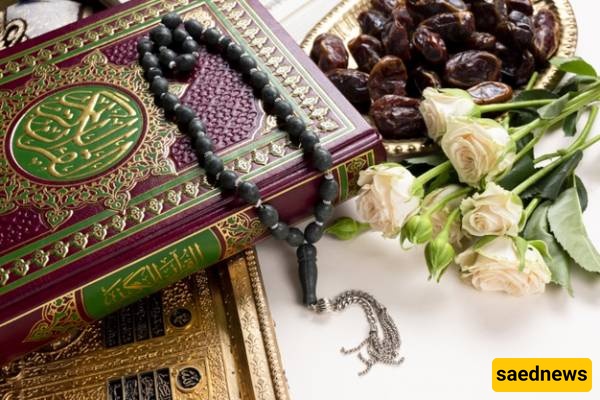
During Ramadan, Muslims engage in fasting, self-discipline, purification of the soul, and various acts of worship. Eid al-Fitr marks the completion of this spiritual journey. For this reason, the first day of Shawwal is celebrated as a special occasion.
Eid should be distinguishable from ordinary days and from the days of Ramadan. If Muslims were to fast on Eid al-Fitr just as they did throughout Ramadan, the distinctive character of the celebration would be diminished.
Instead, Eid al-Fitr is a day for eating, drinking, celebrating, expressing gratitude, and appreciating the blessings of God.
According to Islamic narrations, including reports cited in Wasā'il al-Shīʿa (vol. 4, p. 368), Eid al-Fitr is described as a day on which people are guests of God. It is therefore not appropriate for His guests to remain hungry and fasting on this special day.
Some narrations also describe days on which fasting is prohibited—such as the days of Tashriq, as well as fasting in certain circumstances—as gifts or acts of divine charity granted to God's servants. A person should not reject a gift or charity offered by God. (Al-Ṣadūq, ʿIlal al-Sharāʾiʿ, vol. 2, p. 239.)
During Ramadan, God commands Muslims to fast. When Ramadan ends, the command changes: Muslims are instructed to eat and drink on Eid al-Fitr.
This change itself demonstrates an important principle of worship: true obedience means following God's commands whether they require fasting or eating.
In this sense, refraining from fasting on Eid is also an act of worship. A believer follows the divine command without placing personal preference above it.
Several narrations from Imam Ja'far al-Sadiq address the prohibition of fasting on Eid al-Fitr and Eid al-Adha.
Imam al-Sadiq is reported to have said:
“Fasting should not be observed on Eid al-Fitr and Eid al-Adha, because the Messenger of God said that these are days of eating, drinking, and celebration.”
(Mustadrak al-Wasā'il, vol. 7, p. 551.)
Another narration attributed to Imam al-Sadiq states:
“Fasting is forbidden because these are days of eating and drinking.”
(Al-Wāfī, vol. 11, p. 84.)
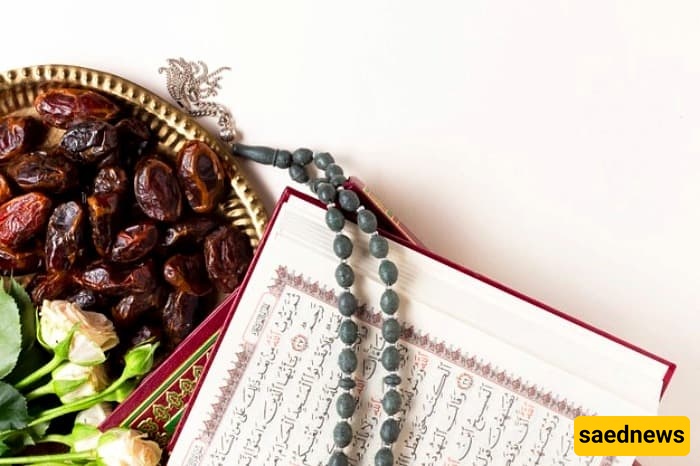
The prohibition of fasting on Eid al-Fitr reflects more than simply a change in the calendar. It highlights several important aspects of Islamic worship: moderation, obedience, gratitude, physical well-being, and the special character of Eid as a celebration.
After a month of self-discipline and fasting, Eid al-Fitr provides an opportunity to accept God's blessings, eat and drink, celebrate with others, and give thanks. Therefore, not fasting on this particular day is itself part of obeying God and honoring the significance of Eid.