SAEDNEWS: Fesenjan is one of the most popular stews among Iranians. One of the key signs of a delicious, well-prepared Fesenjan is the layer of oil that naturally rises to the surface. If your stew does not release oil, avoid following these steps.
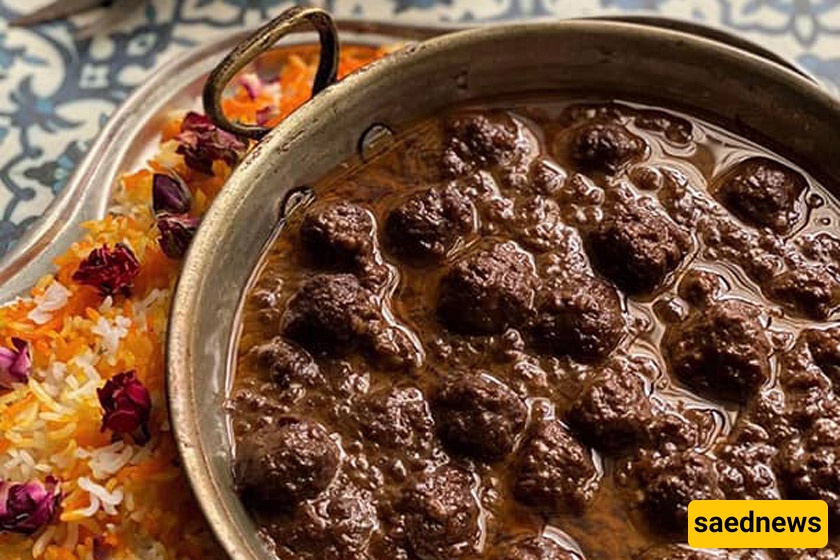
According to Saednews, Fesenjan is one of the most delicious and popular Persian dishes. It is traditionally made with ingredients such as meat, walnuts, pomegranate paste, and more. Although the recipe is relatively simple and can easily be prepared at home, some important techniques are often overlooked. As a result, the stew may not release enough of its natural walnut oil.
Here are the main reasons Fesenjan may not become oily, along with traditional techniques for achieving the rich, glossy finish associated with northern Iranian-style Fesenjan.
If your Fesenjan is not releasing enough oil, try adding a few small ice cubes during the final minutes of cooking.
Adding ice to the simmering stew creates a sudden temperature shock to the ground walnuts. This can encourage the walnut oil to separate more quickly and rise to the surface, giving the stew a richer appearance and deeper sheen.
One reason Fesenjan may fail to release its oil is insufficient cooking time.
Fesenjan needs to cook slowly over low heat so that the walnuts have enough time to release their natural oils and the flavors can develop. Ideally, allow the stew to simmer gently for around 5 to 7 hours, depending on the recipe and ingredients.
The quality of the walnuts makes a major difference. Walnuts that are old, dry, or low in fat may produce a less oily and less flavorful Fesenjan.
For the best results, use fresh, naturally oily walnuts. A good walnut should release a little oil when firmly pressed between your fingers.
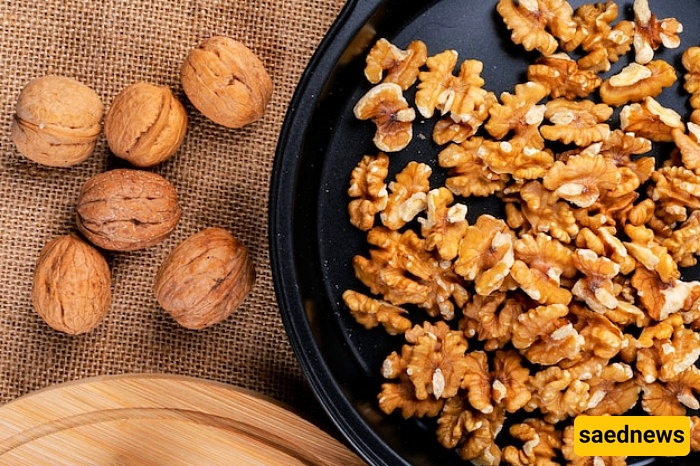
For the walnut oil to release more easily during cooking, grind the walnuts to a relatively uniform texture.
They should not be pulverized into an extremely fine paste, but they should also not be left in large, uneven pieces. A consistent, medium-fine grind works well.
Lightly toasting the ground walnuts before adding the other ingredients can help bring out their flavor and encourage them to release their oil.
Toast them gently for a few minutes until their raw aroma disappears and they become slightly darker. Keep the heat low and stir continuously to prevent the walnuts from burning.
Unlike many other stews, Fesenjan is traditionally cooked using cold water as part of the process of encouraging the walnuts to release their oil.
After lightly toasting the walnuts, add cold water and allow it to come to a boil. Then cover the pot and continue cooking.
One traditional tip is not to add all the water at once. Instead, add a small amount of cold water approximately every 30 minutes during the early stages of cooking. The repeated temperature changes are traditionally believed to help the walnuts release more oil.
The quality of the pomegranate paste also affects the final result. Low-quality paste may absorb some of the oil released by the walnuts, leaving the stew looking less glossy.
For a richer Fesenjan, choose a pure, high-quality pomegranate paste with a concentrated flavor.
Some traditional Iranian cooks use a small amount of ground dried mint toward the final stages of cooking.
Adding a little ground mint is an old household technique believed to encourage the stew to release more oil while also adding another layer of aroma and flavor.
The most important factors are fresh, high-fat walnuts, low and slow cooking, proper grinding, gentle toasting, gradual additions of cold water, and good-quality pomegranate paste. Together, these techniques can help produce a thick, flavorful Fesenjan with the characteristic walnut oil rising to the surface.