SAEDNEWS: Whether shrimp is halal depends on the Islamic school of thought followed. This article explores the views of Hanafi, Maliki, Shafi'i, Hanbali, and Shia scholars on the permissibility of shrimp.
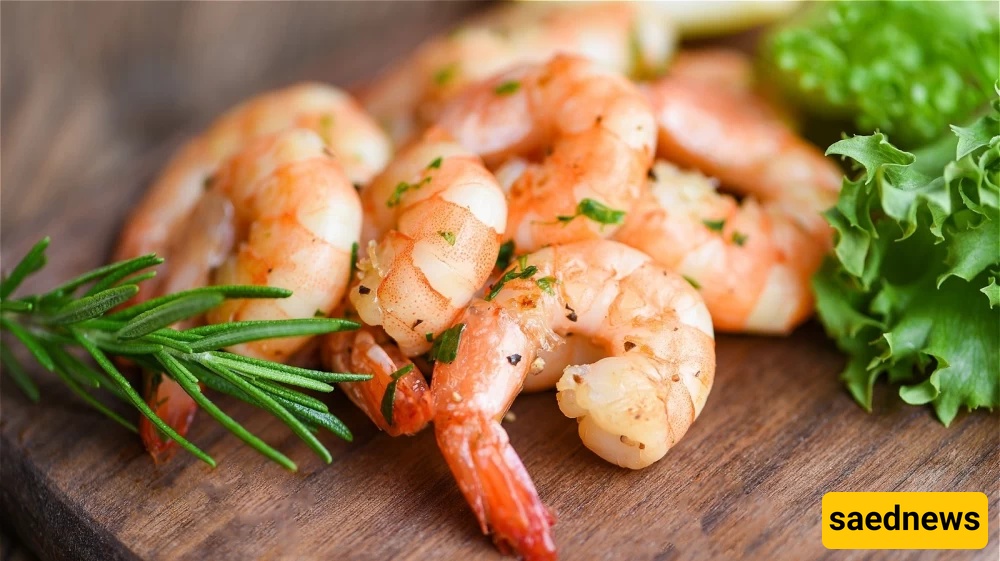
According to Saednews, One of the most common questions among Muslims, especially those who follow a halal diet, is: Is shrimp halal? This question has gained importance because of differences in Islamic jurisprudential opinions among various schools of thought and uncertainty about how shrimp is classified as a marine creature. This article provides a comprehensive examination of the religious ruling on eating shrimp according to the Qur’an, Sunnah, and the opinions of major Islamic scholars and religious authorities. The aim is to provide a clear, evidence-based, and reliable explanation so Muslims can make informed decisions.
Islam places great importance on purity and the permissibility of food. In the Qur’an, Allah says:
“Lawful to you is the game of the sea and its food as provision for you and for travelers...”
(Surah Al-Ma’idah 5:96)
This verse generally indicates the permissibility of seafood. However, scholars and jurists have differed in their interpretation of the exact meaning of “the game of the sea.” Some scholars understand it to include all sea creatures, while others believe there are exceptions, such as harmful or poisonous animals.
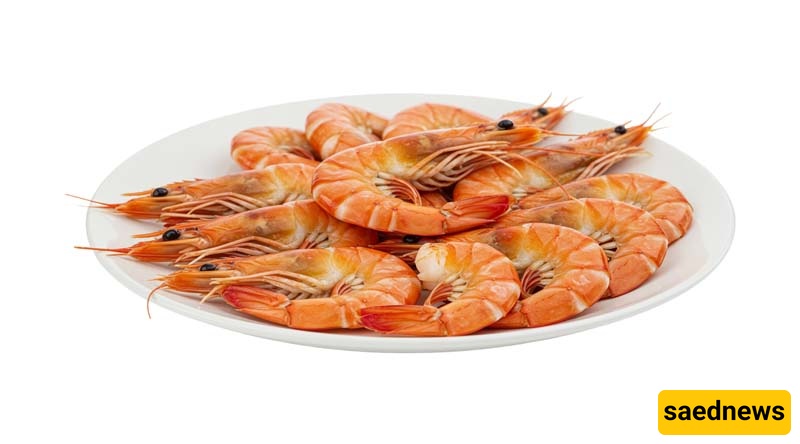
According to the Hanafi school of Islamic jurisprudence, only fish are considered halal among sea creatures. Other marine animals, such as shrimp, crabs, and shellfish, are generally considered impermissible.
This view is based on certain interpretations of prophetic traditions, including:
“What has been made lawful from the sea is what is caught from it.”
Hanafi scholars interpret this restriction as referring specifically to fish.
Therefore, according to the Hanafi school, eating shrimp is not considered permissible.
The Maliki school holds that all creatures taken from the sea are halal unless they are harmful to human health.
Since shrimp is a marine creature, it is considered halal according to Maliki scholars.
They rely mainly on the general meaning of Qur’an 5:96, which permits seafood.
The Shafi‘i school considers all sea creatures halal and does not generally make exceptions.
According to this view, shrimp is halal because it comes from the sea and falls under the general permission mentioned in the Qur’an.
The evidence is based on the broad interpretation of Qur’anic verses and related hadith.
The Hanbali school also generally considers sea creatures permissible unless they are harmful or have characteristics that affect their ruling.
Since shrimp lives entirely in water, it is considered halal according to many Hanbali scholars.
In Shia Islamic jurisprudence, sea animals are divided into categories:
Fish with scales: Halal
Fish without scales and other sea creatures: Generally considered haram
Biologically, shrimp is not classified as a fish and does not have scales. Therefore, some Shia scholars consider shrimp impermissible.
However, there is also disagreement among Shia religious authorities. Some scholars consider shrimp halal because historical Islamic sources sometimes classified it among sea creatures similar to fish.
For example, some Shia authorities allow shrimp consumption, while others do not.
Important note: In Shia Islam, individuals should follow the ruling of their own religious authority (marja‘) regarding seafood.
Supporters of shrimp being halal argue that Qur’an 5:96 clearly allows seafood without restricting it only to fish.
Some scholars refer to the narration:
“The water is pure, and its dead animals are lawful.”
They understand this as evidence that marine creatures are permissible to eat.
Those who consider shrimp halal argue that there is no explicit Qur’anic verse or authentic hadith specifically declaring shrimp forbidden.
In many Muslim-majority countries, including Indonesia, Malaysia, and several Arab countries, shrimp is widely consumed as halal food.
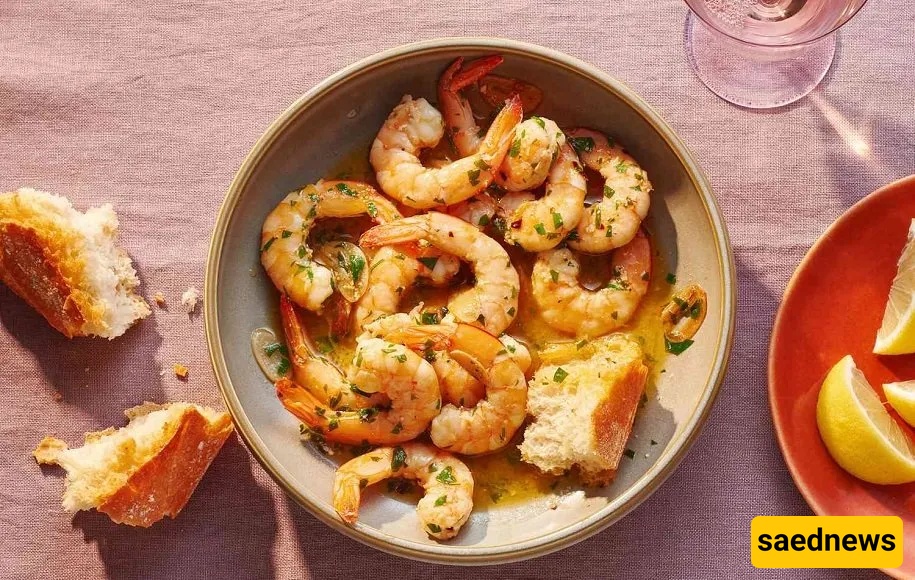
Some scholars argue that the Qur’anic permission refers specifically to fish and does not include other marine creatures.
Some jurists interpret traditions about seafood as limiting permissible sea animals to fish only.
In Shia jurisprudence, a major principle is that fish without scales are not permissible, and shrimp does not have scales.
Some people argue that shrimp may cause health concerns, such as high cholesterol. However, this argument is generally not considered a strong basis for declaring it religiously prohibited.
Many modern Sunni scholars consider shrimp halal. Examples include:
Yusuf al-Qaradawi, who considered shrimp permissible in his writings on halal and haram matters.
Dar al-Ifta al-Misriyyah, which has also ruled that shrimp is halal.
Various Islamic councils and scholarly bodies in Muslim countries that support its permissibility.
Among Shia scholars, opinions remain divided. Some religious authorities consider shrimp impermissible, while others, such as Naser Makarem Shirazi, consider it permissible.
If you want to eat shrimp but are uncertain about its halal status, consider the following:
If you are Shia, consult the ruling of your own marja‘.
Purchase shrimp from trusted sellers or products with halal certification when possible.
Most Sunni schools do not require seafood slaughter, but some interpretations may have additional requirements.
Some shrimp-based products may contain non-halal ingredients, such as alcohol-based additives or pork-derived gelatin.
The halal status of shrimp depends largely on the Islamic school of thought being followed:
Hanafi: Shrimp is generally considered haram.
Maliki: Shrimp is halal.
Shafi‘i: Shrimp is halal.
Hanbali: Shrimp is generally halal.
Shia Ja‘fari: Scholars differ; some permit it while others prohibit it.
Therefore, there is no single universal ruling accepted by all Muslims. The correct approach is to follow the interpretation of the Islamic school or religious authority that one follows.