SAEDNEWS: Moving the body during prayer varies according to Islamic legal rulings, depending on the type and timing of the movement. In some cases, such movements may invalidate the prayer.
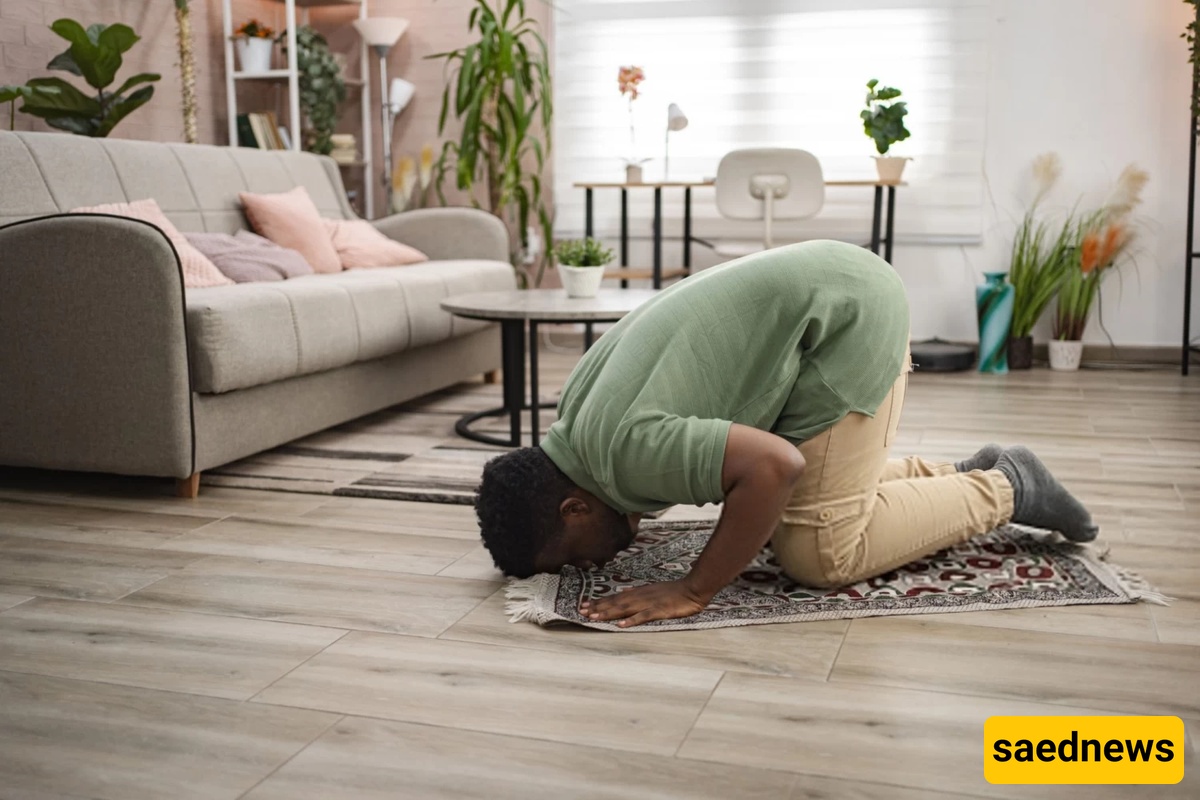
According to Saednews, Prayer, as the most important religious obligation and the pillar of Islam, has precise rules and conditions that must be observed for the validity and perfection of this act of worship. One important issue in this regard is the matter of moving the body during prayer. Many worshippers may make movements during prayer for various reasons, such as tiredness, itching, adjusting their position for comfort, or even carelessness. This raises the question: do such movements invalidate the prayer or not? This article examines the rulings regarding body movements during prayer from the perspective of Islamic jurisprudence, especially Shia Islamic law, and explains its conditions and exceptions.
One of the essential conditions for the validity of prayer is observing “Tuma’ninah”, meaning physical calmness and stillness. It refers to keeping the body and limbs settled in a way that the worshipper does not make movements while reciting obligatory verses and supplications. This state reflects humility, devotion, and full awareness before God.
Stability means keeping the body steady during different parts of prayer, such as standing, bowing, prostration, and sitting for testimony. Islamic scholars believe that a person performing prayer should maintain control over their body in each position and avoid unnecessary movements.
The Quran states in Surah Al-Mu’minun, verse 2:
“Those who are humble and attentive in their prayers.”
Humility in prayer is closely connected with physical calmness and inner concentration.
According to Islamic jurisprudence, while reciting Al-Fatihah, another chapter of the Quran, and other obligatory parts of prayer, the worshipper’s body should remain still. If a person makes movements during this time that remove the required tranquility, the prayer may become invalid.
This ruling is based on various narrations from the infallible Imams (peace be upon them), which emphasize the importance of calmness and focus during prayer.
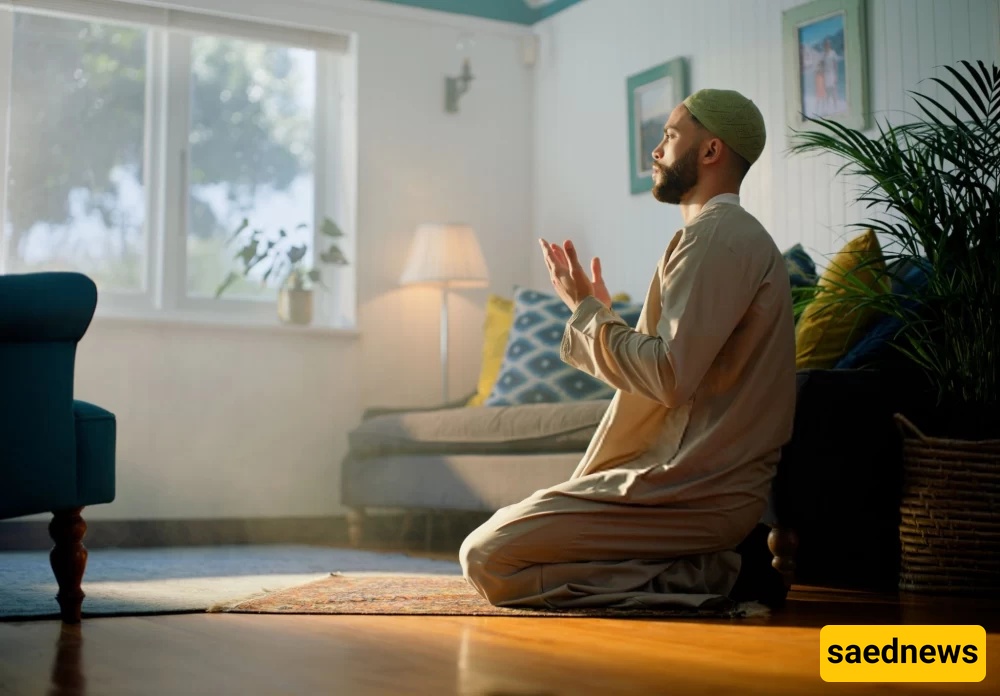
If a person praying faces a danger, such as a fire, falling objects, or an attack by an animal, they are allowed to move in order to remove the danger and continue their prayer. In such situations, protecting life takes priority over maintaining complete stillness.
If a worshipper needs to move in order to fulfill an important duty, such as saving another person’s life, they may do so. In this case, the prayer does not become invalid, and the person may continue the prayer after the urgent situation has been resolved.
Moving the body during prayer is an issue that should be considered carefully according to Islamic legal principles. Maintaining tranquility and physical stillness during obligatory recitations and prayers is one of the main conditions for a valid prayer.
Small and minor movements, such as slightly moving a finger, are generally not considered problematic. However, repeated, significant, or excessive movements that disturb the calmness of the prayer or change its outward form may cause the prayer to become invalid.
To perform prayer with greater humility and spiritual presence, worshippers should avoid unnecessary movements and prepare themselves mentally and physically before beginning worship. However, in necessary situations, such as avoiding danger, movement is permitted under specific conditions while continuing the prayer.
Ultimately, prayer is an opportunity to connect with God and achieve spiritual peace. By following its rules and conditions, believers can gain the full benefits of this valuable act of worship and move closer to divine guidance.