SAEDNEWS: Learning a simple and interesting way to fix stretched-out knees in pants and solve the problem of baggy, knee-worn trousers can definitely be useful and practical for everyone.
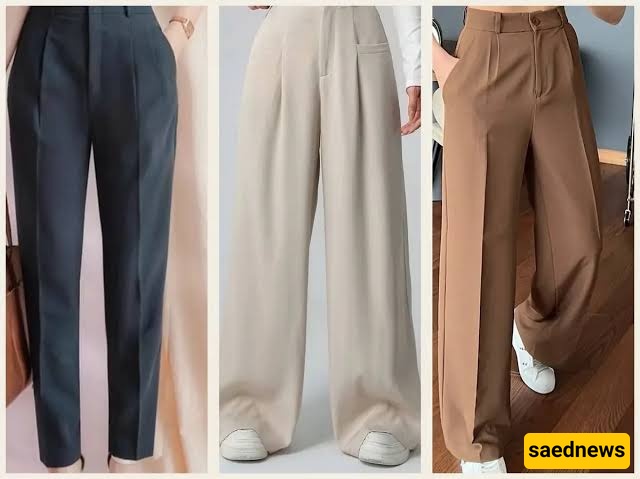
According to Saednews, Wearing dress pants, whether for formal occasions or everyday use, is a popular choice. However, you may have noticed that after wearing them several times, the fabric around the knees can become stretched or develop noticeable bulges. As a result, the pants no longer look as well-fitted as they did when they were new. This can affect the overall appearance of your outfit and make your pants look older and more worn than they actually are.
Some fabrics are more prone to losing their shape than others. Stretchy and flexible materials, such as cotton, tend to develop knee bags more easily.
Pants that lack strong stitching or proper construction may lose their shape more quickly. A well-designed pair of trousers generally maintains its structure better with regular wear.
Sitting for long periods and engaging in strenuous physical activity can put repeated stress on the fabric around the knees, causing it to stretch and lose its original shape.
One of the most important factors in preventing knee bags is choosing a suitable fabric. Durable materials such as wool, viscose, and polyester are generally less likely to lose their shape. Fabrics with a lower percentage of stretch fibers can also provide better resistance to deformation.
Densely woven materials, including wool fabrics and fabrics specifically designed for suits, are good choices because they tend to retain their shape and appearance for longer.
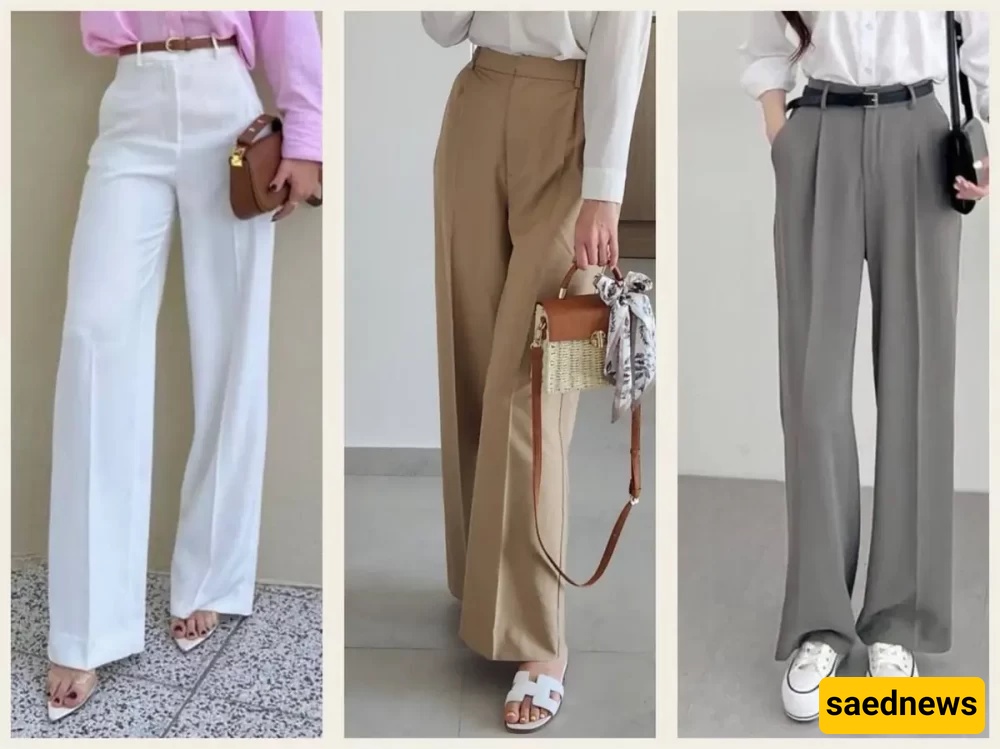
Dress pants with strong stitching and well-planned construction are generally more resistant to losing their shape. When buying trousers, pay attention to the interior stitching and the overall structure of the fabric.
The waistband, rise, and thigh area should fit properly so that the fabric is not placed under excessive tension during movement, particularly around the knees. Well-designed trousers can help minimize knee bagging and may also last longer.
Wearing the wrong size is another common reason trousers develop knee bags. If pants are too tight, they place additional pressure on the knees, which can cause the fabric to stretch and lose its shape.
On the other hand, pants that are excessively loose may also develop knee bags because the fabric moves more than necessary. Choosing the correct size ensures that the trousers sit properly on your legs and helps reduce unwanted creasing and deformation.
If your work or daily routine requires you to sit for extended periods, try to stand up and walk around from time to time. Prolonged sitting can cause the fabric around the knees to stretch and bunch up, eventually leading to permanent knee bags.
When sitting, also try to avoid pressing your knees tightly together. Leaving a small amount of space between your legs can reduce unnecessary pressure on the fabric.
Proper ironing is one of the most effective ways to maintain the appearance of dress pants and reduce the effects of knee bagging. Using the appropriate temperature and steam can help minimize wrinkles and restore some of the fabric's original shape.
Keep in mind that some fabrics are sensitive to high temperatures, so always follow the care instructions and use the recommended heat setting. Placing a thin cloth between the iron and the trousers can also help protect the fabric from direct heat.
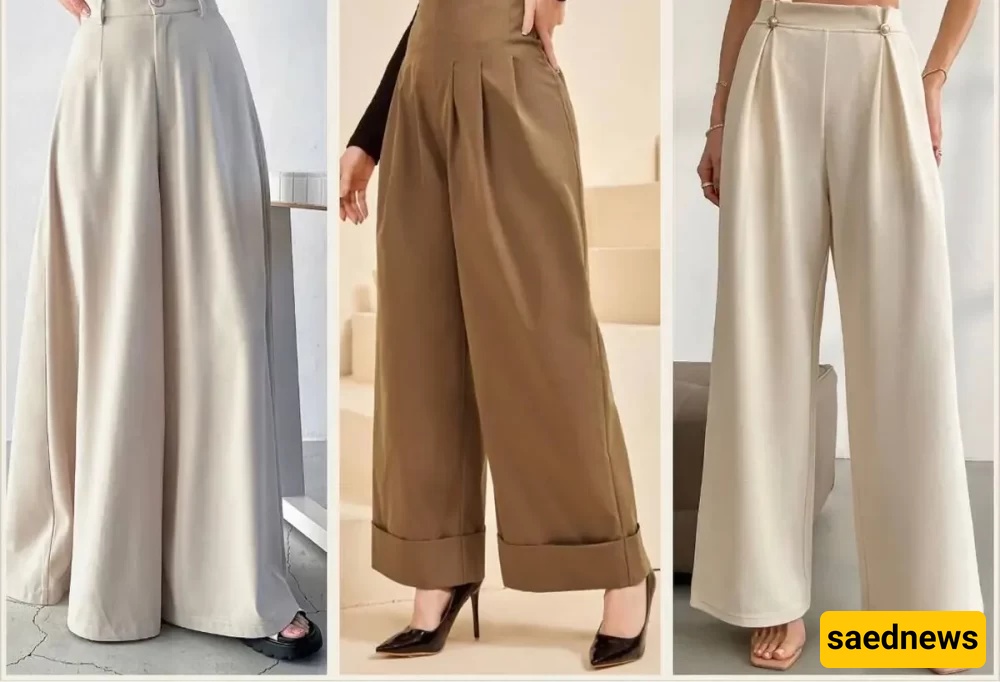
Proper storage and hanging can also make a significant difference in maintaining the shape of dress pants. After wearing them, hang the trousers properly so the fabric has time to relax and recover from minor wrinkles.
A dedicated trouser hanger can help preserve their shape. Hangers with clips that hold the pants securely by the waistband are particularly useful for keeping trousers in good condition.
Washing dress pants with cold water and using a gentle cleaning method can help extend the life of the fabric and reduce the risk of deformation. Avoid washing delicate dress pants in a washing machine whenever the care label recommends against it, as vigorous spinning and excessive mechanical action can put unnecessary stress on the fibers.
When appropriate for the fabric, hand washing with a suitable mild detergent can be a gentler option for maintaining the trousers' appearance and structural integrity.
Yes. Stretch fabrics are generally more susceptible to developing knee bags because their fibers are designed to provide greater flexibility and movement.
Yes. Proper ironing, particularly with steam, can help relax the fabric and reduce some of the wrinkles and deformation caused by knee bagging.
It may help to some extent. An additional layer between the body and the outer fabric can reduce direct friction and stress on the main fabric, potentially helping the trousers maintain their shape.
Knee bagging is a common problem with dress pants, but several simple habits can help reduce it. Choosing the right fabric and size, selecting well-constructed trousers, avoiding prolonged sitting, and using proper washing, ironing, and storage techniques can all contribute to maintaining the pants' shape and appearance.
With the right care, you can keep your dress pants looking neat, well-fitted, and fresh for longer.