SAEDNEWS: Proper cleaning, drying, storage, and rotation can help everyday shoes stay comfortable and usable for longer.
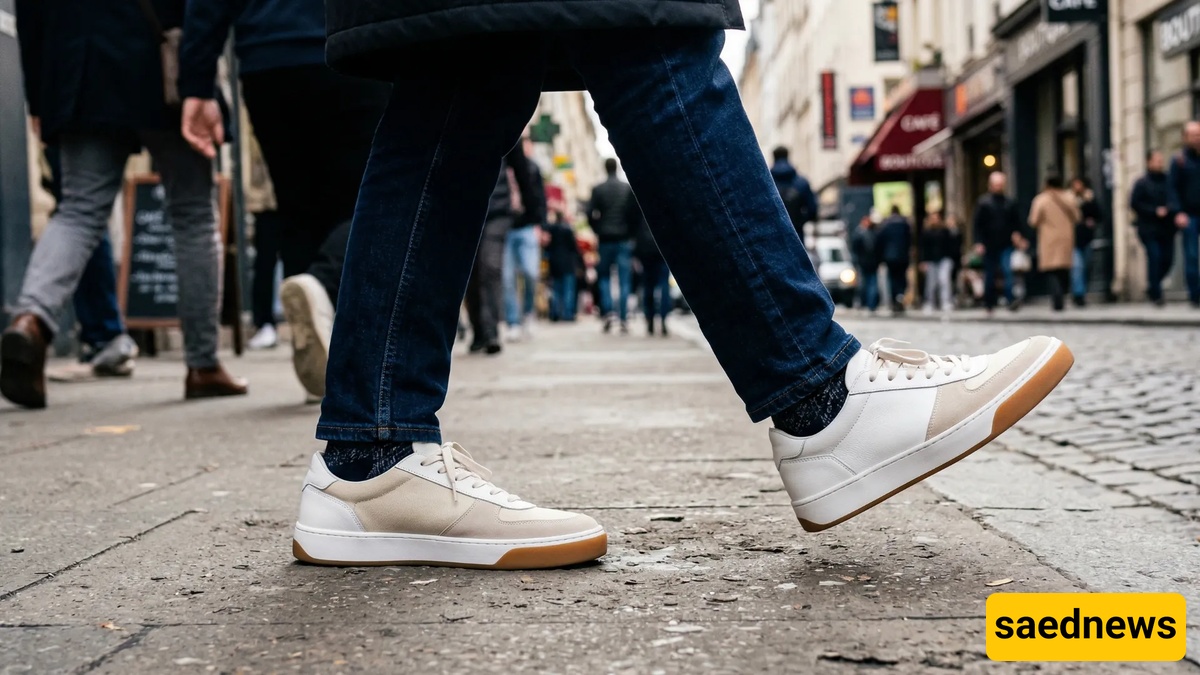
According to SAEDNEWS, everyday shoes often wear out faster when they are used continuously without proper care. Dirt, moisture, repeated bending, and poor storage can gradually affect the upper material, sole, and overall shape. A few simple habits can reduce unnecessary wear and help shoes remain in better condition.
If possible, avoid wearing the same pair every day. Alternating between two or more pairs gives each pair time to air out and recover its shape between uses. This is particularly helpful when shoes become damp from rain or perspiration.
Do not wait until dirt has built up heavily. Remove loose dust and soil with a soft brush or cloth after use. For washable materials, follow the manufacturer's cleaning instructions rather than using strong household cleaners that could damage the surface.
Moisture can affect both the materials and the shape of footwear. If shoes become wet, remove the insoles when appropriate and allow the shoes to dry naturally in a well-ventilated place.
Avoid placing them directly against strong heat sources. Excessive heat can cause some materials to become stiff, cracked, warped, or separated.
Good storage helps prevent unnecessary deformation. Keep everyday shoes in a dry, ventilated area away from prolonged direct sunlight. Avoid piling heavy items on top of them, and give each pair enough space to retain its shape.
Simple habits also help:
Keep shoes off damp floors.
Remove accumulated dirt before storage.
Keep pairs together to prevent misplaced footwear.
Use suitable shoe supports if the shoes tend to lose their shape.
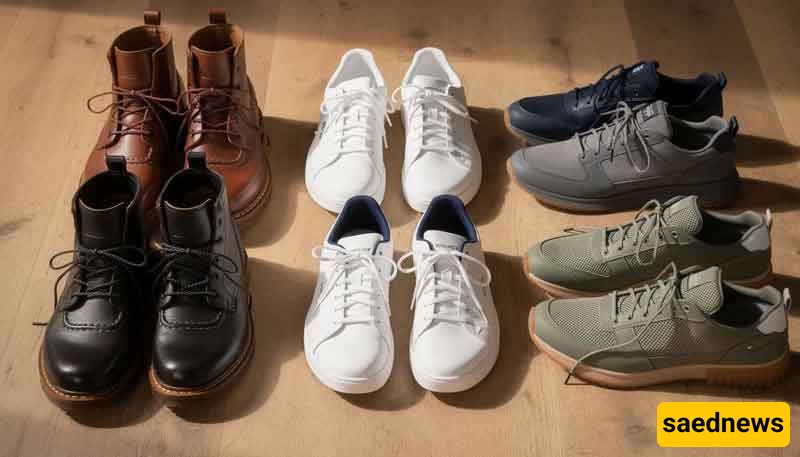
Loose stitching, a separating sole, or a damaged heel is easier to deal with when noticed early. Continuing to wear a shoe with a small structural problem can increase the damage and make repair more difficult.
Finally, put shoes on and take them off carefully. Using your hands or a shoehorn instead of crushing the heel with the other foot can reduce unnecessary stress on the back of the shoe. With regular cleaning, proper drying, thoughtful storage, and occasional rotation, everyday footwear can remain functional and comfortable for longer.