SAEDNEWS: A successful fabric purchase starts with asking the right questions. This guide covers 11 essential questions about fabric quality, dyeing, guarantees, and supplier services to help you make a more informed and confident buying decision.
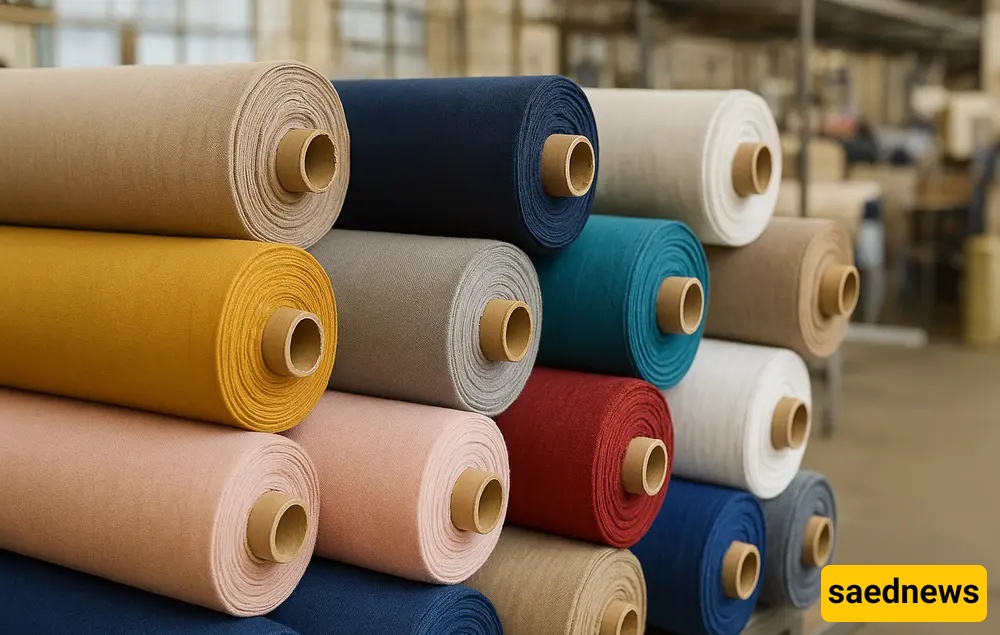
According to Saednews, Buying fabric—especially for manufacturers, tailors, or shop owners—is not simply a matter of choosing a color and pattern. Fabric quality, durability, dyeing quality, and even after-sales service can all affect your overall satisfaction with a purchase. For this reason, it is a good idea to ask the seller a few key questions before finalizing your order so you can buy with confidence.
Köpragh fabrics are produced in different factories, but the quality of the dyeing process plays a major role in how well the color lasts. For example, factories such as Fadak and Baharjin are known for high-quality dyeing.
Ask the seller about the fabric's weight and fiber composition. Is it polyester-viscose, or is it made from another type of fiber? These details directly affect the fabric's weight, durability, and feel.
If you discover damage, tearing, or another defect in the middle of the fabric, what guarantee does the seller provide? Having clear return or replacement terms can be an indication of a reliable seller.
If the fabric fades or begins to pill after a short period of use, does the seller provide any guarantee? Asking this question can help you assess the fabric's actual quality.
Find out which customers or businesses in your city have previously worked with the seller. Speaking with local customers can be one of the best ways to evaluate the seller's reputation and reliability.
Ask whether the seller and their fabric color card are included on the list approved by the Ministry of Education. This type of approval can be particularly important for schools and school uniform suppliers.
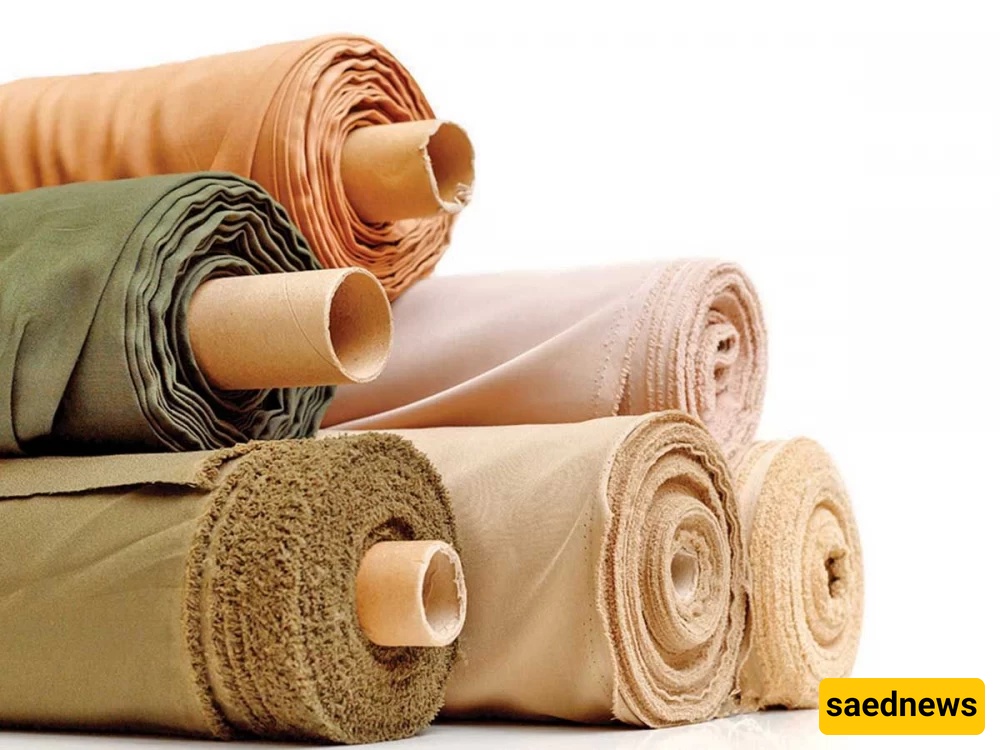
If hospital colors are included in the color card, it may indicate a wider and more valuable range of fabric options. Also, ask about the dyeing process and whether the fabric has been treated with bleach or sodium hypochlorite.
Ask the seller to provide a complete list of available color shades. This allows you to make a more precise selection based on your specific requirements.
White fabric is generally less expensive. The price difference between white and other colors can provide useful information about the seller's pricing policy and whether the prices are reasonable.
If the fabric you need is not available in a large quantity, ask whether the seller is willing to sell less than a full roll—for example, 10 meters—or whether they only sell wholesale quantities.
A seller who offers retail quantities makes it easier to purchase just a few meters when needed, without having to buy an entire roll.
A professional seller should be able to provide or send a fabric sample or color card before purchase so you can evaluate its quality, color, and composition.
Asking these 11 straightforward questions can make the difference between a satisfying fabric purchase and a risky one. These questions not only help you choose the right fabric for your needs, but can also give you a better understanding of the seller's transparency, reliability, and professionalism.