SAEDNEWS: Judo, a martial art originating from Japan, is classified among disciplines such as karate, taekwondo, and kung fu. However, it is significantly different from many other martial arts because punching and kicking are not allowed in it.
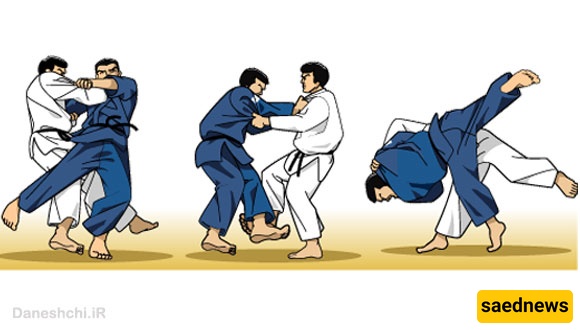
According to Saednews, Judo is a martial art primarily based on grappling techniques. Its main objective is to throw, pin, control, or even disable an opponent’s arms in a way that leads to submission. A central principle of judo is the effective use of an opponent’s own force against them.
Judo is not only a physical contest but also a mental discipline. A successful judoka must be able to anticipate the opponent’s movements and respond with appropriate and timely reactions.
Many people begin practicing judo at a very young age, often around 5 or 6 years old, while others continue practicing it well into older age, sometimes into their 60s or 70s.
Judo improves overall physical fitness and increases body strength. In some individuals, it also fosters self-confidence, inner discipline, and self-control—qualities that are essential in everyday life.
Parents often appreciate this sport because it teaches children discipline and respect. In addition to maintaining physical fitness and developing athletic skills, judo also provides highly effective self-defense abilities.
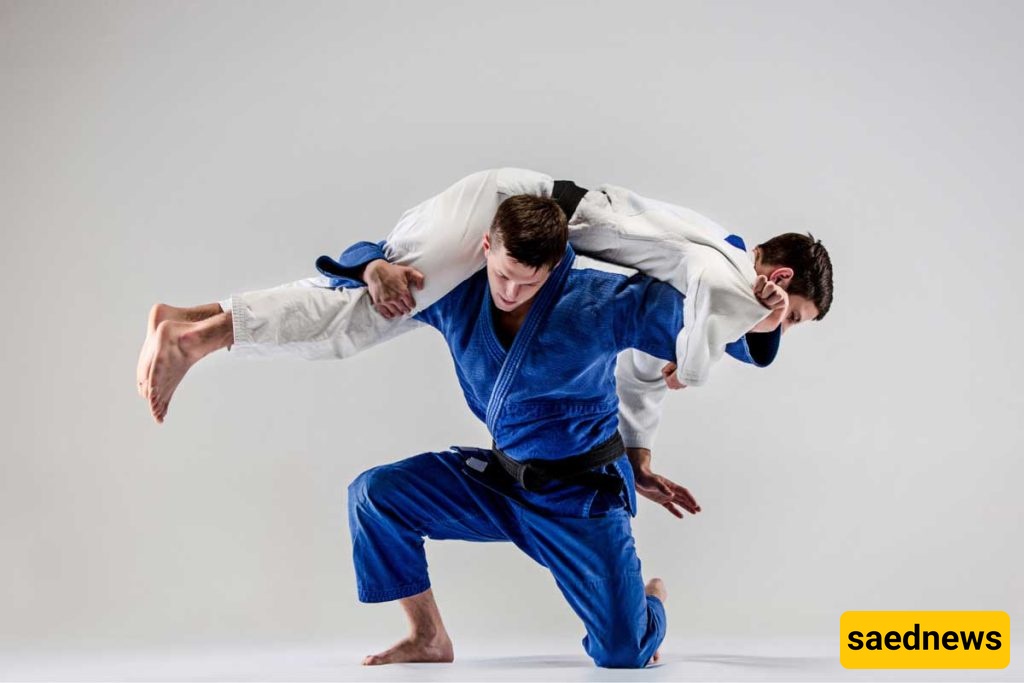
Judo competitions are held regularly at local, regional, national, and international levels for those who wish to compete. One of the unique features of judo is its consistency worldwide; training methods and competitive rules are largely the same across all countries.
Judo was the first martial art to be included in the Olympic Games, debuting at the 1964 Tokyo Olympics due to its global popularity. Today, approximately 175 countries participate in this sport, making it one of the most widely practiced Olympic disciplines.
The founder of judo, Jigoro Kano, stated that the purpose of creating judo was to apply its principles to everyday life.
Through training, athletes improve physical strength and flexibility. Judo practice also strengthens the cardiovascular system and enhances overall physical endurance.
Judo practitioners typically develop higher levels of concentration compared to average individuals, and they can apply this improved focus in various aspects of life.
Another important benefit of judo is learning to remain calm under pressure. Practitioners gain the ability to face challenges logically and without stress or emotional imbalance.
Judo also teaches effective self-defense skills, helping individuals protect themselves when necessary.
The more a person practices judo, the more its benefits become apparent, influencing many aspects of life and even contributing to increased longevity.
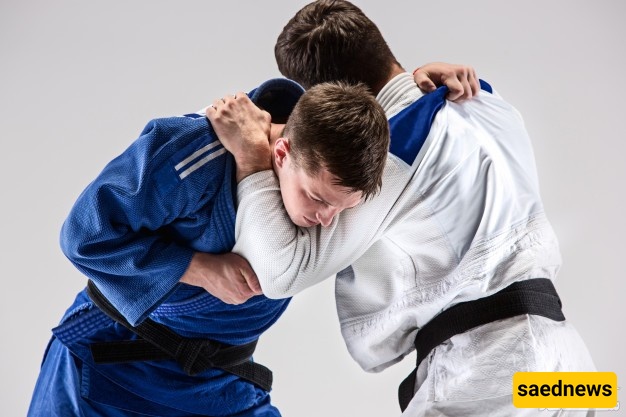
One of the key advantages of judo is exceptional physical conditioning. Another important benefit is learning to achieve maximum results with minimal effort.
Judo training helps strengthen both the body and flexibility while improving cardiovascular health. It also enhances mental focus and memory.
These abilities are not only useful in training but also in education, work, and daily life.
Through mental training in judo, practitioners learn to stay calm under life’s pressures. This skill is valuable in many situations, from driving and exams to career development and financial challenges.
Overall, judo positively influences both physical and mental well-being, shaping a more balanced and resilient lifestyle.