SAEDNEWS: Oil loading has resumed at the western terminal of Iran’s Khark Island after a 25-day shutdown, while satellite imagery shows increased tanker activity around Larak and continued changes in Russia-Iran maritime trade.
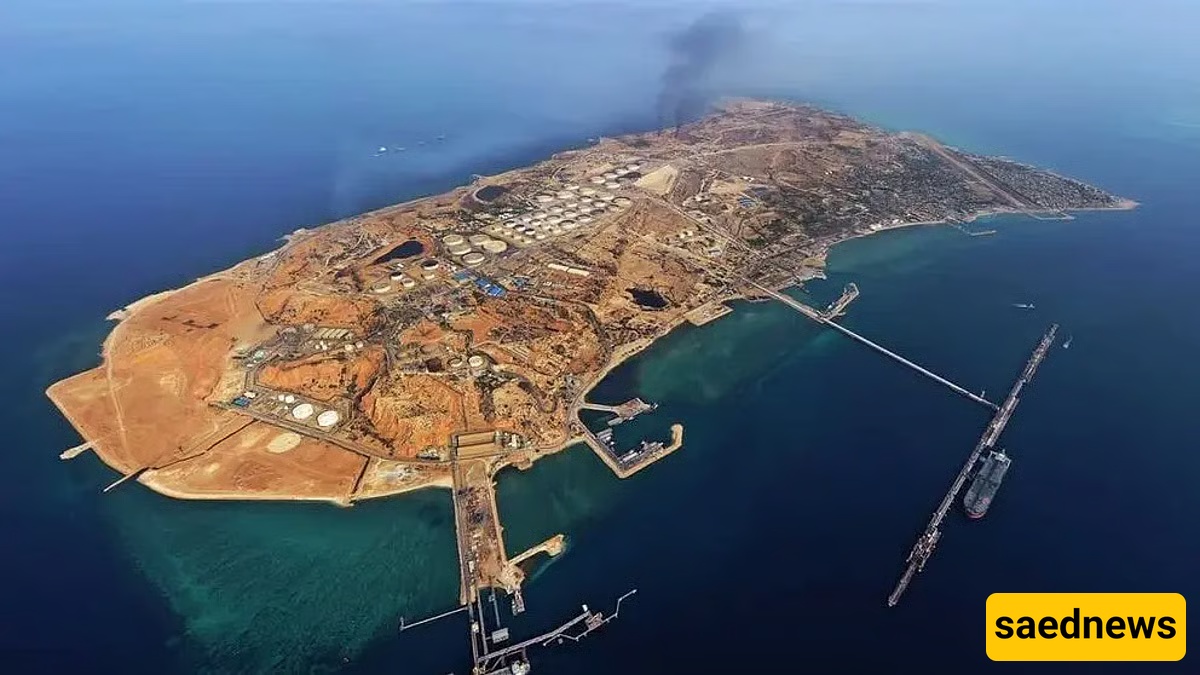
According to SaedNews: The western terminal on Iran’s Khark Island resumed operations on Tuesday, August 12 (20 Mordad), after 25 days of complete inactivity, according to Windward, a maritime intelligence company. Satellite imagery shows that a 333-meter VLCC tanker, which had been anchored in the terminal’s waiting area since July 11, eventually docked and began loading crude oil.
The development comes as the Strait of Hormuz remains at the center of the dispute between Iran and the United States. While US President Donald Trump has claimed that the US Navy has full control of the strategic waterway through a naval blockade, figures indicate that many vessels continue using the Iranian side of the strait. No clear framework has so far been presented to resolve the diplomatic dispute, with both sides maintaining their positions. Imagery collected on August 13 also showed extensive cargo and tanker activity around Qeshm and Larak, with identification systems switched off, pointing to complex and concealed movements.
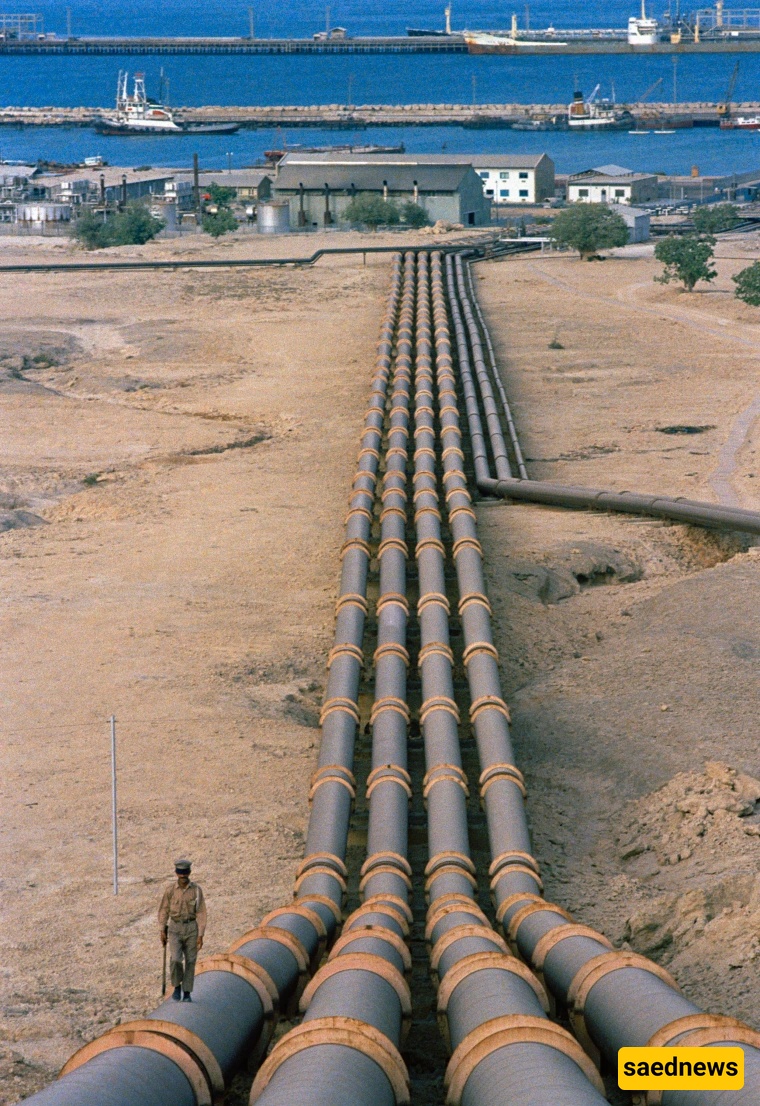
The northern anchorage at Larak, close to the Strait of Hormuz, has simultaneously recorded a sharp rise in sanctioned vessels. Satellite images from August 12 showed 35 tankers and cargo ships at the site, up from 28 on August 10. About 74 percent were operating with their identification systems turned off, while at least 10 were identified as sanctioned vessels.
The increase suggests that the anchorage is actively attracting additional sanctioned tonnage and playing an important role in Iran’s emerging oil-export system. Thirty-six fast boats were also observed in the northern corridor, possibly providing escort or patrol services, although no direct connection to specific vessels has been confirmed.
The Caspian Sea transit corridor between Russia and Iran has also undergone a sustained structural change. During the 164 days following the intensification of the Hormuz blockade on February 28, liquid cargo shipments, including oil and petroleum products, from Russia to Iran increased 2.9 times, with volume reaching 2.5 times its previous level. The number of shipments rose from eight to 23, while their volume increased from about 174,000 barrels to more than 437,000 barrels.
By contrast, cargo flows from Iran to Russia remain at zero, leaving the corridor operating in one direction. Since August 8, Iranian and Russian officials have been negotiating a joint roadmap to remove logistical obstacles in the Caspian, including the Rasht-Astara railway project. The strategic shift is described as a direct response to the Hormuz blockade and an effort to establish a stable alternative route for bilateral trade.
Finally, damage to a submarine cable in a protected area near Perth, Australia, on August 11 has highlighted another vulnerability in maritime infrastructure. Although the cause has not been publicly disclosed, Windward said it had identified a suspect in the cable cutting.
Taken together, these developments point to a sharp rise in operational risks across waterways stretching from the Persian Gulf and Caspian Sea to the Black Sea and even the Indian Ocean, underscoring the need to reconsider maritime and commercial security strategies.