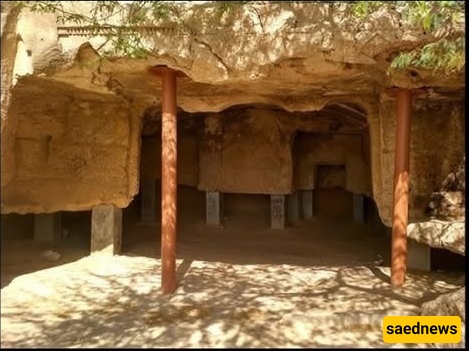
SAEDNEWS: Kharg Island, sometimes spelled Khark, is an inhabited island belonging to Iran with significant economic importance. It is located 38 kilometers off the coast of Bandar Ganaveh in the Persian Gulf and is part of Bushehr Province.
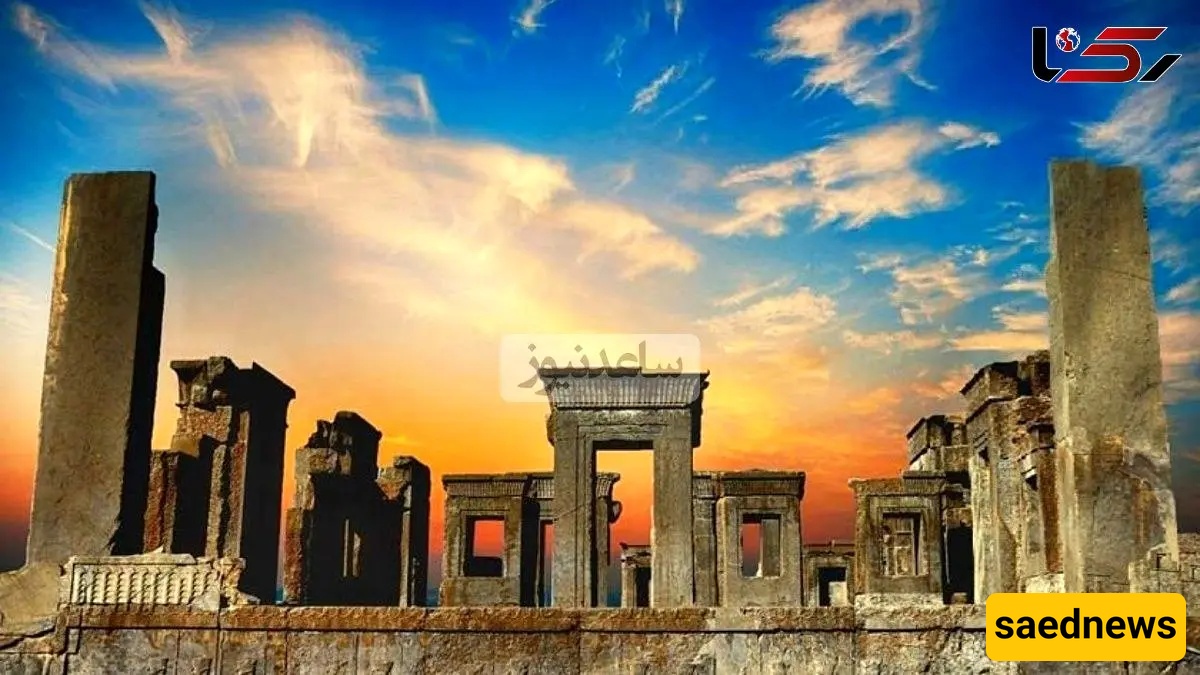
According to the Saed News Society Service, Kharg Island is mostly known for its oil terminals, yet this island hides far deeper layers of history within its shores.
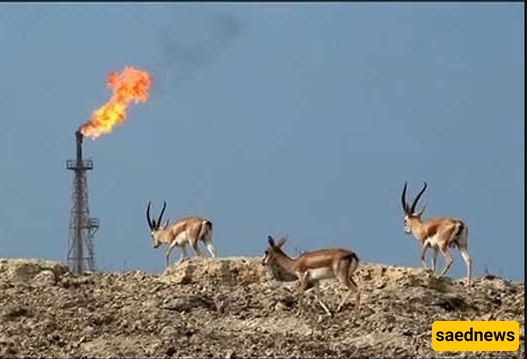
On Kharg, traces of the Achaemenid era can be found, connected to the ancient trade routes of the Persian Gulf. The island also hosts a Christian monastery from the Sassanid period and 18th-century Dutch fortifications—evidence of the presence and interactions of diverse cultures and powers over the centuries.
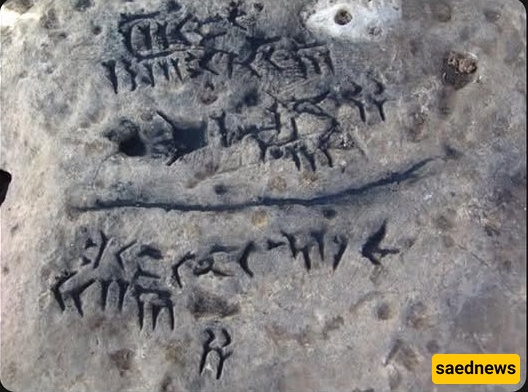
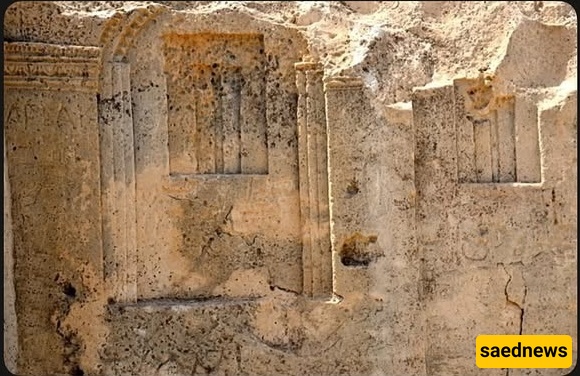
Among these relics, the Nestorian Church on Kharg Island stands as the only surviving church from the Sasanian era on the island. During the Sasanian period, Kharg hosted a large community of Nestorian Christians, some of whom had roots tracing back to the Palmyrene people. Five stucco panels from this church, adorned with floral patterns and cross motifs, have been recovered and are now preserved in the National Museum of Iran’s collection.
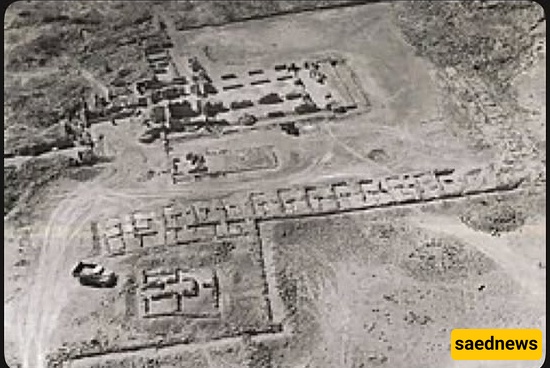
At the same time, the city of Buchehr (ancient Bakht-Ardashir, near modern-day Bushehr) was one of the most important centers for Christians in Iran—a city whose history stretches back to the Elamite period and the ancient port of Lian.
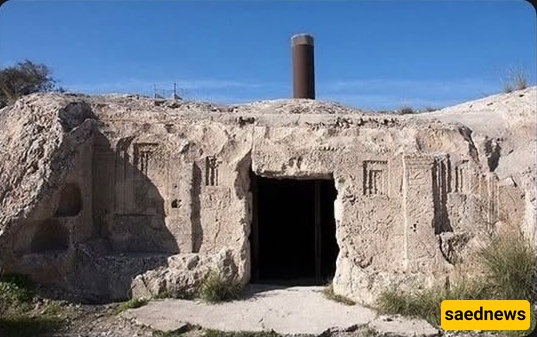
These artifacts are not merely tied to a single era or region; they form part of humanity’s shared heritage. For historians and archaeologists, sites like these are invaluable sources for understanding the past of the Persian Gulf and its networks of trade and culture. The destruction of such sites is not just the loss of a few buildings but the erasure of a part of the region’s historical memory.
It is crucial that, under all circumstances—especially during times of tension or military activity—this cultural heritage is respected and protected. Honoring historical sites is, in essence, honoring the shared history of humanity.