SAEDNEWS: Pressure against Israel is continuing to spread through protests, trade restrictions and political measures, particularly across Europe. Greece, the Netherlands and Ireland have taken different steps, while the Maldives has reaffirmed its policy of boycotting Israel and banning entry to holders of Israeli passports.
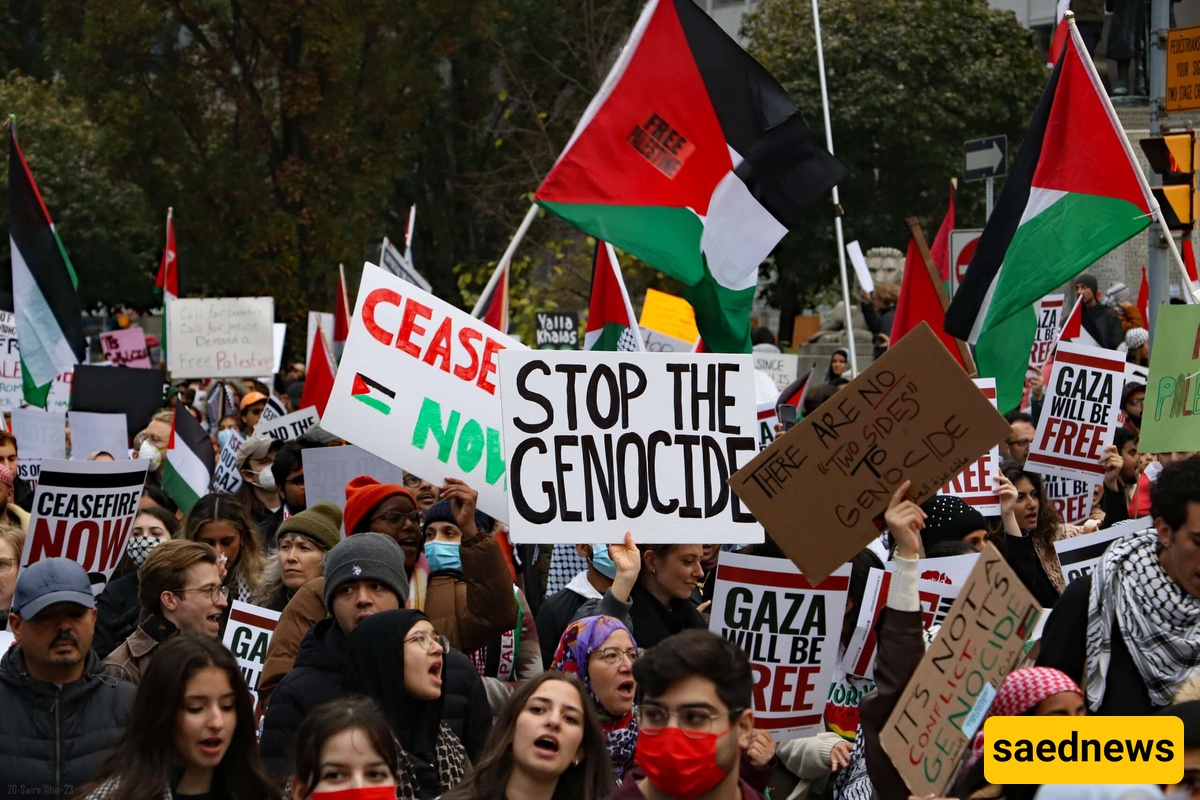
According to SaedNews: Although the Gaza war has apparently stopped and the “Gaza Peace Council” is seeking to enter the reconstruction process, Israeli forces are reportedly continuing killings, bombardment and construction of a barrier beyond the Yellow Line. Reports of Israeli attacks, demolitions and arrests in parts of the West Bank have also contributed to growing negative public attitudes toward Israel and prompted protests in different forms.
In Greece, several significant developments against Israel have occurred in less than a month. On Sunday, August 9, anti-Israel demonstrations were held at 36 locations across the country under the banner “Day of Rage,” focusing on the Gaza war and support for Palestine. Protesters called for preventing residents of the occupied territories from entering Greece, ending military cooperation with Israel and imposing further sanctions.
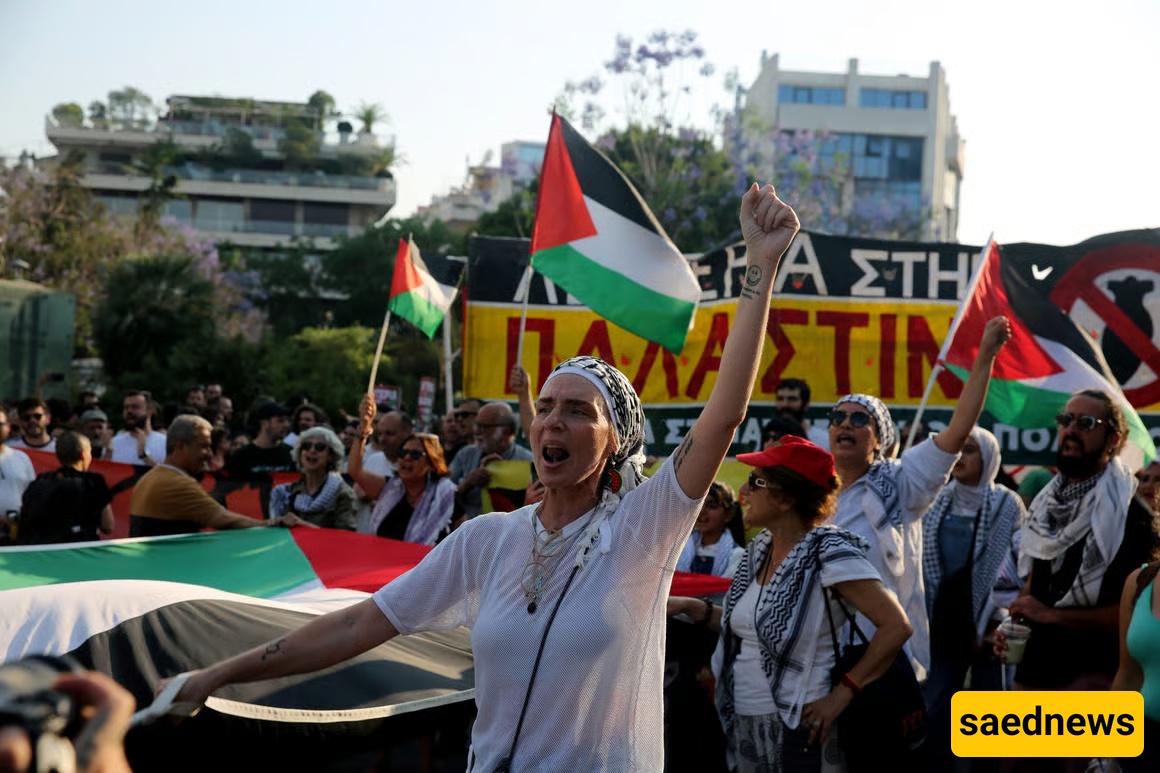
On Friday, August 14, pro-Palestinian activists gathered at Athens’ Piraeus port as the Israeli cruise ship Iris Crown was scheduled to dock. Demonstrators raised Palestinian flags and chanted for Palestinian freedom. Labor unions, Palestinian solidarity groups and anti-war activists organizing the protest again demanded an end to Athens’ cooperation with Tel Aviv and to Greece’s participation in Israeli programs.
The protest was part of a broader wave of demonstrations against Israeli tourists at Greek ports and islands that has intensified since the Gaza war. Similar protests against the same ship were held at Piraeus in late June, when demonstrators called for a ban on the entry of Israeli passengers.
In the Netherlands, legal, political and public pressure has increasingly affected relations with Israel. The Dutch government approved a law banning the import, purchase and sale of products made in Israeli settlements in the West Bank and Golan Heights, with implementation scheduled for September 22. The Netherlands would thereby join EU countries including Ireland, Belgium and Spain that have imposed various restrictions on trade involving Israeli settlements.
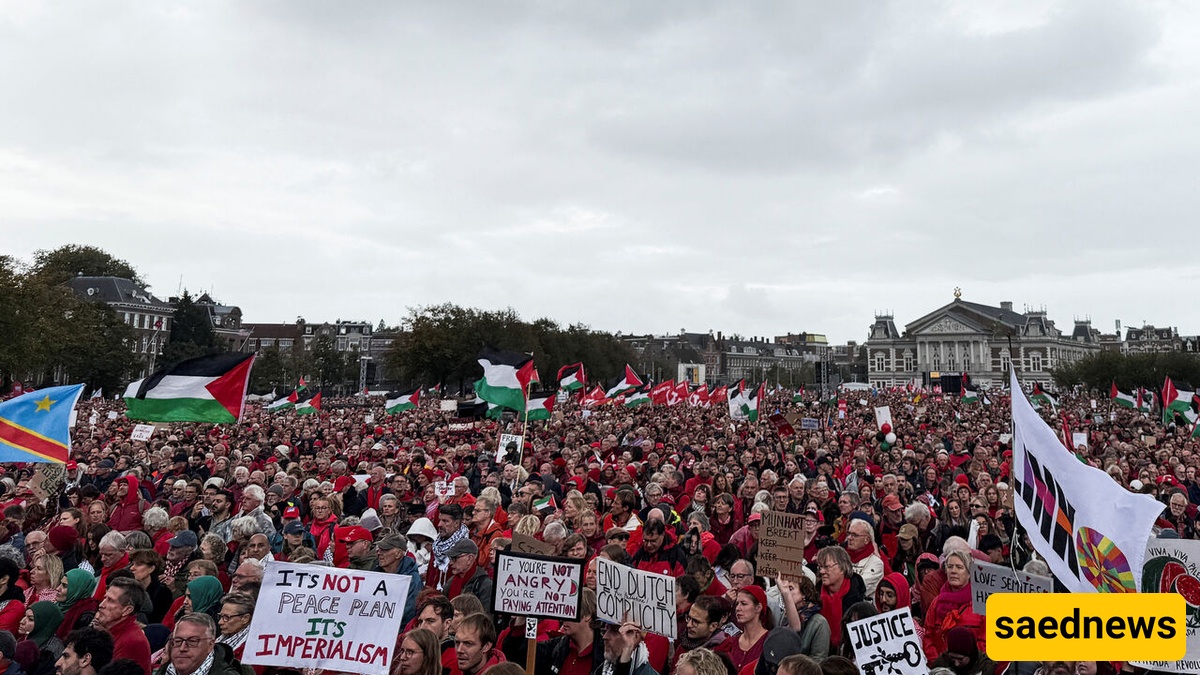
According to Global Echo, an organization monitoring legal developments related to the Israeli-Palestinian conflict, the Dutch measure could significantly affect agricultural products from these settlements. The organization says the Netherlands handles about one-third of settlement agricultural exports overall and nearly half of the volume imported by EU countries, making it the main gateway for these products into the bloc through Dutch ports and companies.
Dutch courts had also ordered the suspension of exports of F-35 aircraft components to Israel. Another major development came when the Netherlands’ National Coordinator for Security and Counterterrorism (NCTV) included Israel in a report on threats posed by state actors. According to the report, Israel is viewed by Dutch security officials as attempting to influence public opinion and decision-makers in the Netherlands covertly or in unacceptable ways.
The assessment cited the November 2024 Amsterdam incidents surrounding a Maccabi Tel Aviv football match, after which Israel’s Ministry of Diaspora Affairs sent a special report directly to Dutch politicians, lawmakers and journalists while bypassing official diplomatic channels and the Dutch Foreign Ministry. It also referred to pressure on the International Criminal Court in The Hague, criticizing alleged Israeli and U.S. efforts to pressure, threaten and spread disinformation against international legal institutions in the Netherlands, particularly after arrest warrants were issued for senior Israeli officials.
Ireland’s parliament recently passed legislation banning imports of goods produced in Israeli settlements in the West Bank. The “Israeli Settlements Bill” treats imports from residential, agricultural and commercial centers outside the occupied 1948 borders as an offense. The Irish government prepared the legislation in response to the International Court of Justice’s 2024 advisory opinion, which deemed Israel’s presence in the West Bank, East Jerusalem and Gaza illegal under international law.
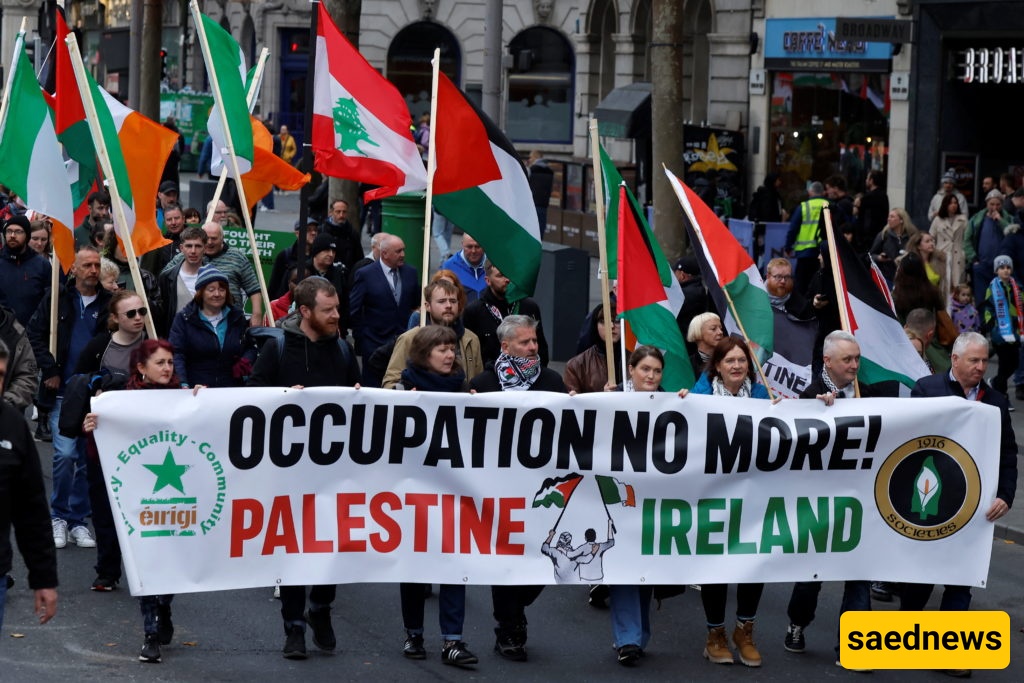
Ireland has also been among Europe’s strongest critics of Israel’s actions during the Gaza war. In 2024, Dublin recognized a Palestinian state, prompting Israel to close its embassy there. In June, Ireland announced entry bans on Itamar Ben-Gvir, the national security minister, and Bezalel Smotrich, the finance minister in Netanyahu’s cabinet.
Public opposition has also extended beyond Ireland’s official institutions. After the draw for the 2026/27 Nations League placed Israel’s team in Group 3 of League B alongside Austria, Ireland and Kosovo, the issue drew renewed public reaction.
Earlier, amid the Gaza war, the Football Association of Ireland had asked UEFA to suspend Israel’s participation in international competitions following public demands that Irish football authorities neither host nor play against Israel. The federation’s leaders had reportedly been reluctant to pursue a boycott because of potential UEFA sanctions. Irish media now argue that UEFA’s recognition of sanctions as a legitimate tool in a principled struggle gives the federation the necessary moral and legal authority to penalize a confederation member.
Ireland’s Central Trades Union has also formally said it will support any employee who refuses to participate in hosting or staging matches against Israel.
Outside Europe, Maldivian President Mohamed Muizzu recently reaffirmed his country’s policy toward Israel during celebrations marking the 61st anniversary of independence. Speaking at an event attended by 113 representatives from 43 countries and international organizations, Muizzu said the Maldives would maintain relations with every country in the world except Israel.
He also defended the government’s decision to bar holders of Israeli passports from entering the country, saying it reflected the Maldivian public’s support for Palestinians and opposition to Israel’s actions and the war in Gaza.
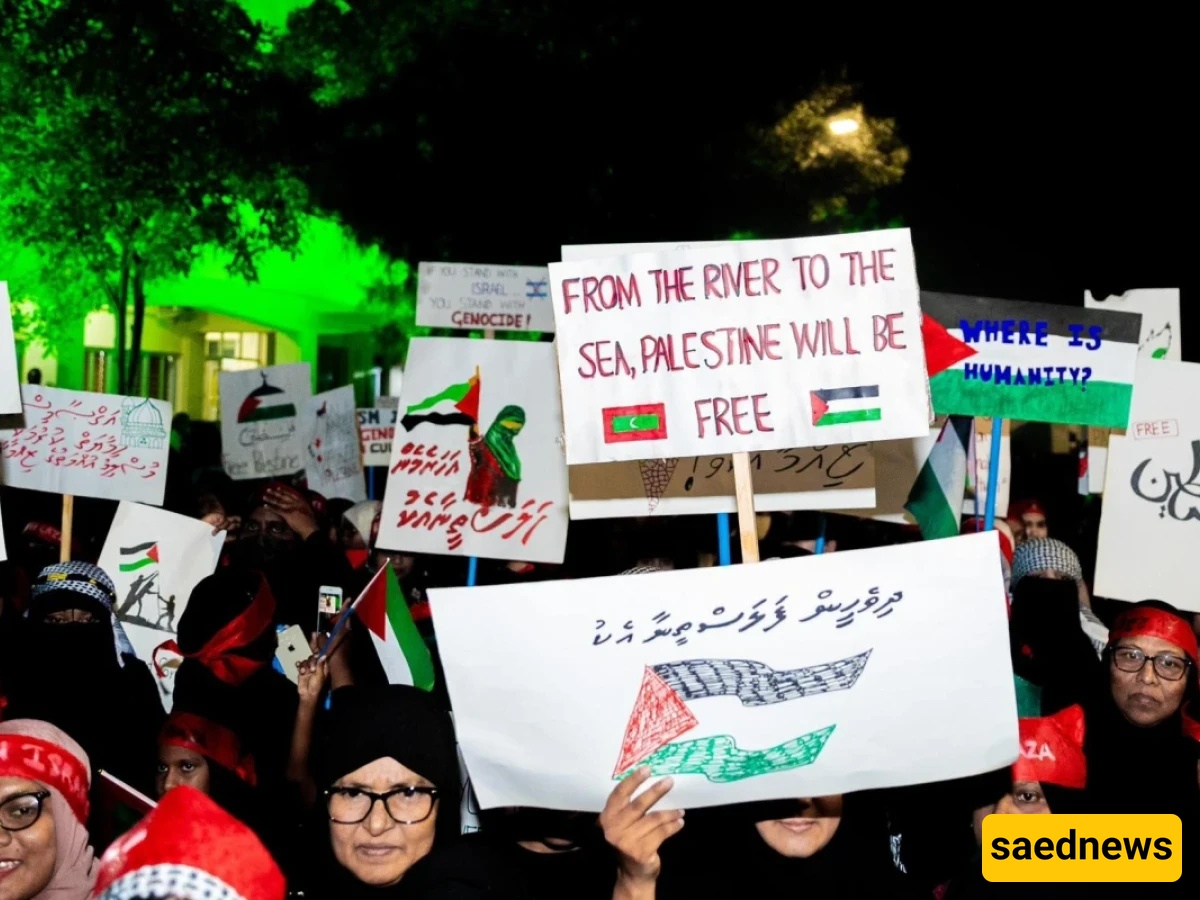
Muizzu stressed that as long as actions against Palestinians continue and his government’s foreign policy remains unchanged, there will be no change in the Maldives’ non-recognition of Israel or its ban on Israeli citizens entering the country.
Taken together, these developments indicate that every week one or more countries, particularly in Europe, are witnessing some form of opposition to Israel through trade restrictions, resistance to security, military and political cooperation, or public demonstrations. The source attributes these measures to the increasingly visible nature of Israel’s aggressive policies and its continued pursuit of Palestinian territorial expansion through military means.