SAEDNEWS: British defence sources have warned that the Royal Navy may lack the weapons and capabilities needed to respond if Russia attempts to seize British commercial vessels. The concern is particularly focused on the Indo-Pacific, where Britain currently has only two patrol ships deployed.
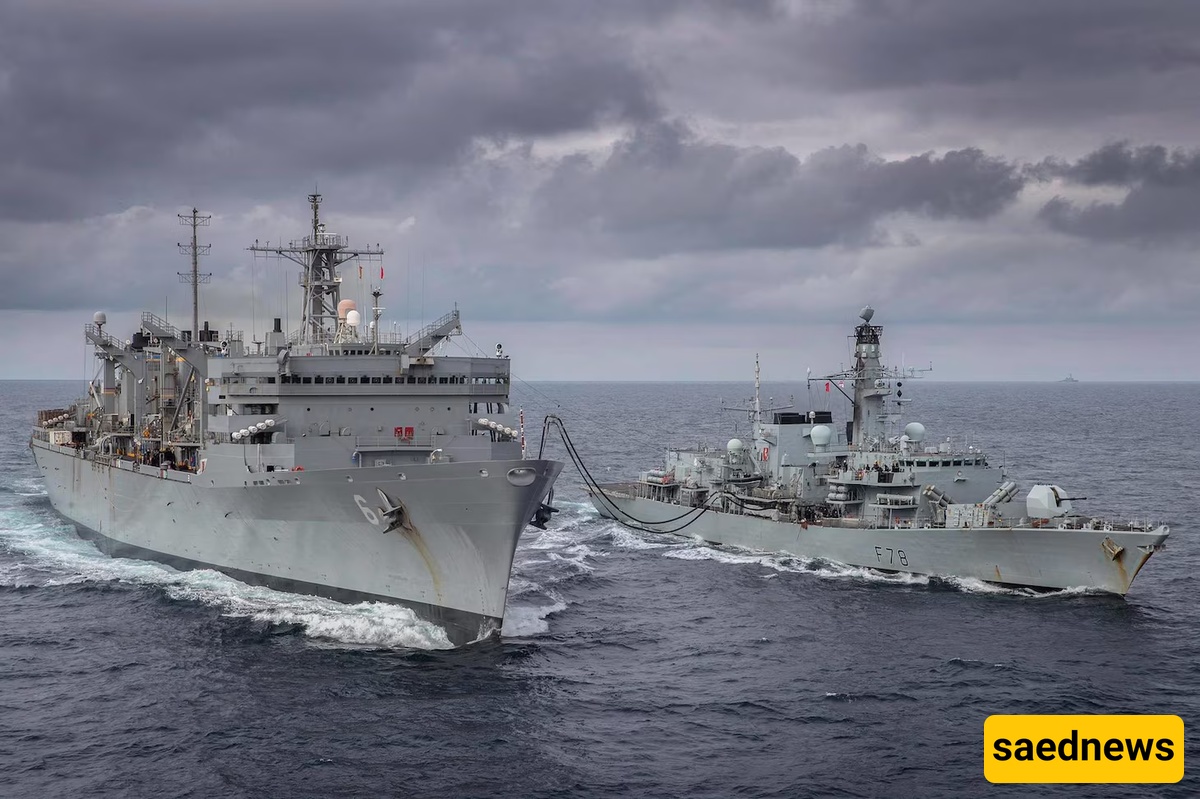
According to SaedNews: Britain’s ability to protect its commercial ships from a potential Russian confrontation is facing renewed scrutiny, after British defence sources warned that the Royal Navy may not have enough firepower or capability to respond effectively to an attempt to seize British merchant vessels.
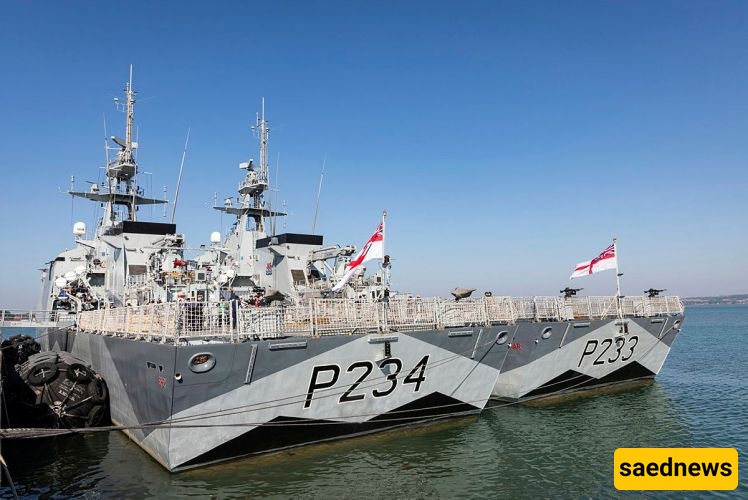
The concern is particularly striking because it centers on the Indo-Pacific, thousands of miles from Britain itself. In that region, the United Kingdom has deployed two patrol vessels, HMS Tamar and HMS Spey. While the ships form part of Britain’s wider overseas naval presence, defence sources have raised concerns about how limited their armament would be when compared with the Russian naval forces operating in the area.
The warning comes against an increasingly tense backdrop involving Russia’s so-called shadow fleet of oil tankers.
According to a report by The Telegraph, concern grew after Russian President Vladimir Putin reportedly instructed Russian forces to respond to pressure being placed on the country’s shadow fleet by ordering European vessels to be “inspected and seized.” The development has raised questions about what could happen if such orders were translated into direct action against commercial shipping linked to European countries.
Britain is among the countries now being viewed with particular concern.
A senior Russian naval official has reportedly identified Britain among potential targets, adding another layer of seriousness to the warnings coming from British defence circles.
For Britain, the issue is not simply about the number of ships it has deployed overseas. It is also about what those vessels are realistically capable of doing if a confrontation develops.
HMS Tamar and HMS Spey are patrol ships designed for a range of maritime security and presence missions. But the warning from defence sources highlights the gap between maintaining a visible naval presence and possessing the kind of heavily armed force that could confront a serious military threat.
That distinction could become critical if a commercial vessel were threatened or forcibly intercepted.
A patrol ship can provide surveillance, presence and security support, but a confrontation involving Russian naval forces could demand capabilities and weapons beyond what lightly armed patrol vessels are designed to provide. The concern raised by British sources therefore goes directly to a broader question: how much protection can Britain realistically offer its commercial interests when its naval assets are spread across the globe?
The Indo-Pacific makes that question particularly sensitive.
Britain has sought to maintain a visible presence in the region, reflecting its broader strategic interest in international trade routes and maritime security. HMS Tamar and HMS Spey are part of that effort. Yet the warning suggests that the scale and armament of Britain’s deployment may not match the potential challenges it could face.
The comparison with Russia’s regional naval presence is central to the concern. If a British commercial vessel were confronted by a more heavily armed Russian force, the two British patrol ships currently operating in the region could face a difficult situation.
The issue also illustrates how tensions surrounding Russia’s oil trade can have consequences far beyond energy markets.
The shadow fleet has become a major point of friction because of international efforts to put pressure on Russian oil shipments. The latest Russian warning, as reported by The Telegraph, raises the possibility that Moscow could respond by targeting European shipping through inspections or seizures.
That possibility has naturally drawn attention in Britain, particularly because a direct confrontation at sea could quickly become more complicated than a diplomatic dispute.
For British officials and defence planners, the question is therefore not only whether Russia would actually attempt to seize a British commercial ship. It is whether Britain has sufficient naval capability in the right location to respond if such an incident occurs.
The warnings do not establish that Russia is preparing to seize a British vessel, and they do not mean that a confrontation is inevitable. But they do highlight a potential vulnerability: maintaining naval commitments across distant regions can become difficult when a country must also be prepared for unexpected confrontations with a major military power.
The presence of HMS Tamar and HMS Spey gives Britain a foothold in the Indo-Pacific, but the concerns raised by defence sources show that presence and deterrence are not necessarily the same thing.
That distinction could become increasingly important as pressure surrounding Russia’s shadow fleet continues.
For now, the central issue remains a warning rather than a confirmed confrontation. But the prospect of British commercial ships becoming caught up in a wider dispute between Russia and European countries has already prompted uncomfortable questions about the Royal Navy’s readiness, its available firepower and the limits of Britain’s global maritime commitments.
The debate is likely to continue: if a serious maritime confrontation emerges thousands of miles from home, will Britain have enough naval power nearby to do more than simply watch events unfold?