Saed News: The feeling that time passes faster is not only related to clocks, but also to how memories are recorded in the brain. The “longness” of childhood may actually come from the novelty of the world for the brain.
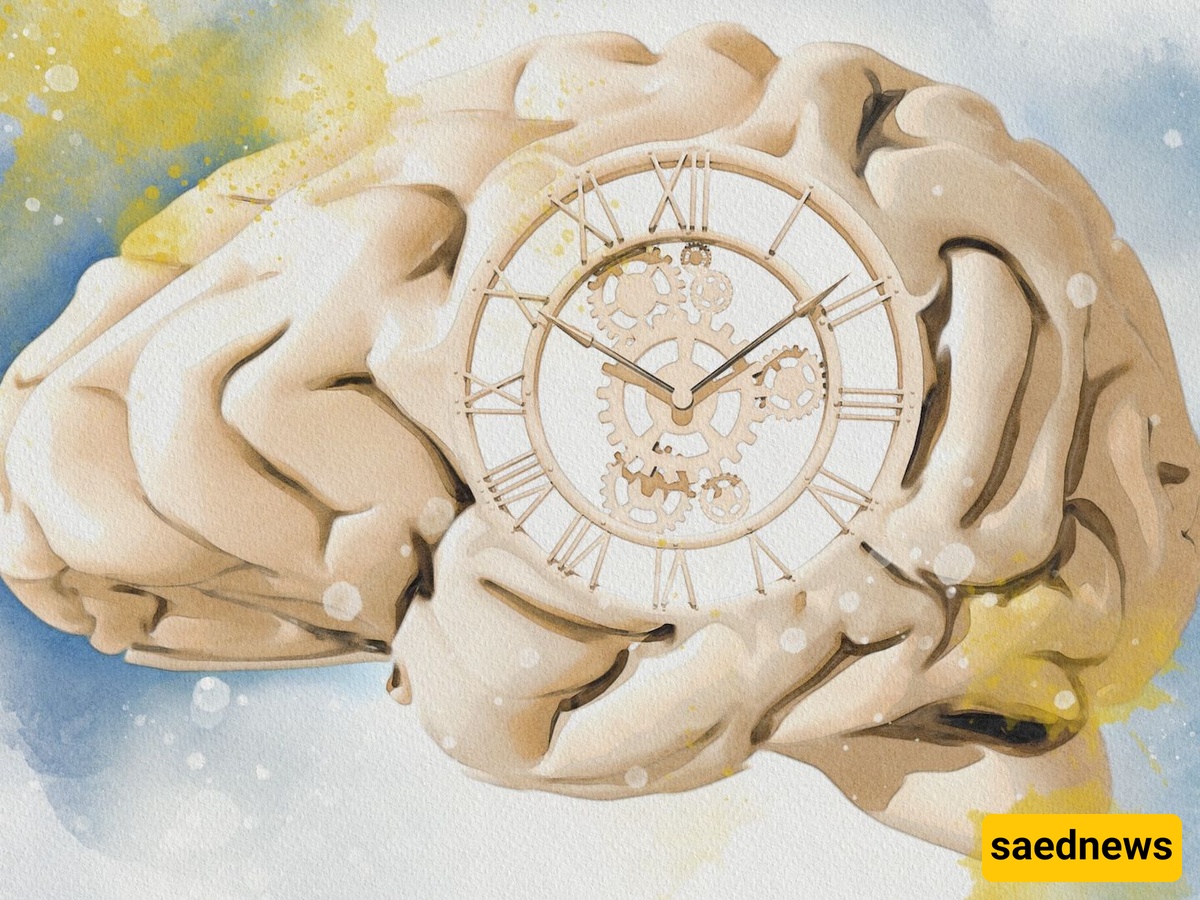
According to SAEDNEWS, many adults feel that time passes faster as they get older. Childhood summers seemed endless, but now weeks and months pass quickly. Scientists say this perception has psychological and neurological roots.
In childhood, almost everything is new—people, places, experiences, and emotions. The brain records more details to process this new information. As a result, childhood memories feel “longer” in hindsight.
In adulthood, many days become similar. The brain no longer needs to invest as much energy in processing each experience, so memories are stored in a more compressed way, making time feel faster.
For a 5-year-old, one year equals 20% of their entire life. For a 50-year-old, it is only a small fraction. Scientists believe this difference in proportion also affects the perception of time.
Researchers suggest that travel, learning new skills, and breaking routine can recreate the feeling of slower time.
In short, the perception of time is not only about clocks—it is also about how memories are formed in the brain. The “longness” of childhood may come from the freshness of the world to the brain.