Saed News: Many parents resort to blaming or punishing their child when they become angry, but experts say these reactions usually have the opposite effect. Understanding the reason behind a child’s anger and using a few simple techniques can help improve their emotional calmness and reduce family tension.
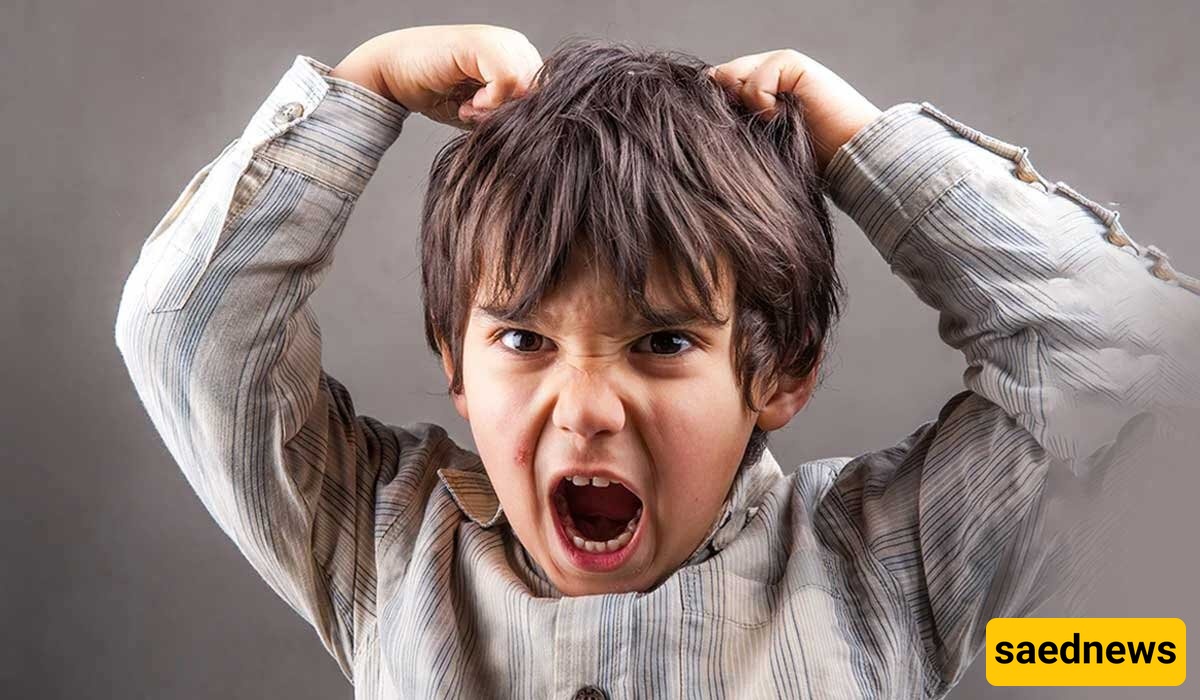
According to SAEDNEWS, many parents quickly blame or punish their child when faced with anger, shouting, or aggressive behavior. However, psychologists believe that anger in children is usually not a sign of misbehavior or stubbornness; rather, it often reflects their inability to understand and express their emotions. Children have not yet developed sufficient skills to manage their emotions, and therefore they may express sadness, fear, frustration, or feelings of injustice as anger. Parents can help their child manage emotions better through a few simple but effective steps.
A child who cannot express emotions will usually show them through emotional behaviors such as shouting, crying, or aggression. Help them recognize their feelings and give them a name. Phrases like “It seems you are upset,” “I think you are angry about this,” or “Do you feel like no one is listening to you?” help the child understand their emotions better and express them verbally instead of reacting aggressively.
When a child is angry, the rational part of the brain is less active, and they are not able to listen to advice or explanations. In such moments, arguing or giving long lectures usually only increases tension. First, try to calm the environment and allow the child’s emotions to settle. After they calm down, you can talk about their behavior and teach better ways to respond.
Children pay more attention to what parents do than what they say. If parents shout, throw things, or lose control when angry, children will learn the same behavior. In contrast, when parents remain calm in difficult situations and manage their emotions, they teach emotional regulation through example.
One reason for children’s anger and confusion is inconsistent rules. If something is forbidden today but ignored tomorrow, children cannot understand boundaries clearly. Having simple, clear, and consistent rules at home helps children feel more secure and reduces emotional outbursts.
Children need ways to release their energy and emotions. Activities such as drawing, physical play, sports, running, clay modeling, listening to music, or even deep breathing can help reduce tension. It is important for children to learn that anger is a natural emotion, but it must be expressed in a healthy way without harming themselves or others.
If a child’s anger is very intense, frequent, and out of control, or if it disrupts family, academic, or social life, it is better to consult a child psychologist. Sometimes repeated aggression may indicate anxiety, stress, or other issues that require professional evaluation.
Ultimately, anger is a natural emotion in children. The goal is not to eliminate it, but to teach children how to recognize, express, and manage it properly. A child who learns to handle emotions healthily will have better relationships and a more peaceful life in the future.