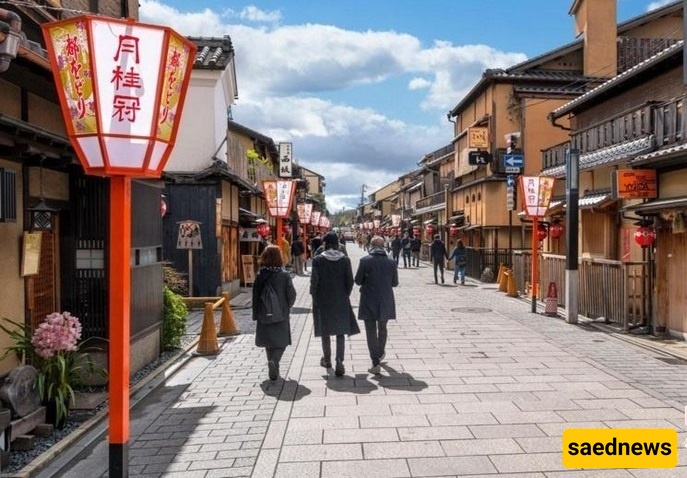
SAEDNEWS: You may have heard about the cleanliness and orderliness of Japan. Tourists visiting this East Asian country are often impressed by how clean it is, even though there are relatively few public trash bins. So what is the secret behind this remarkable cleanliness?
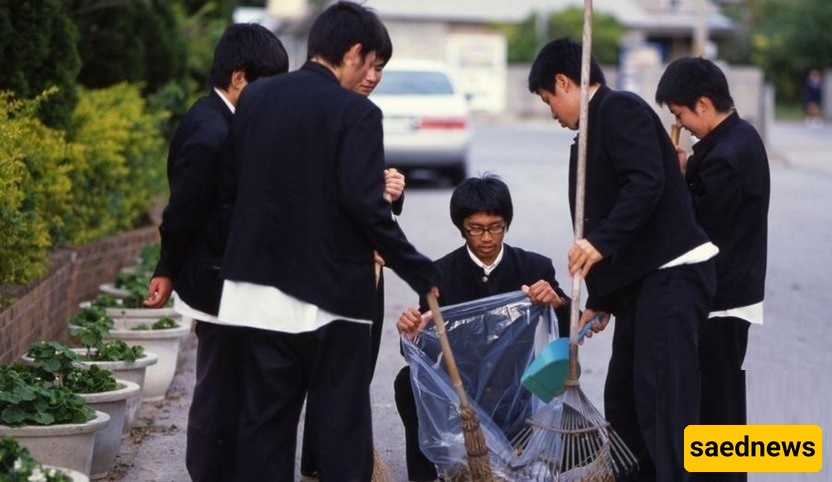
According to Saednews reports on student life in schools, Japanese children participate in cleaning their classrooms and school environments every day after classes, guided by their teachers. The final instruction of the day often includes assigning cleaning tasks such as organizing desks and chairs, sweeping hallways and stairs, and cleaning restrooms.
If you have ever wondered how Japan remains so clean despite having fewer public trash bins and relatively fewer sanitation workers, the answer may lie in its education system. From elementary school through high school—about 12 years—students are trained to treat cleaning as part of their daily routine. This habit becomes deeply ingrained, shaping their behavior well into adulthood and contributing to the country’s widely admired cleanliness.
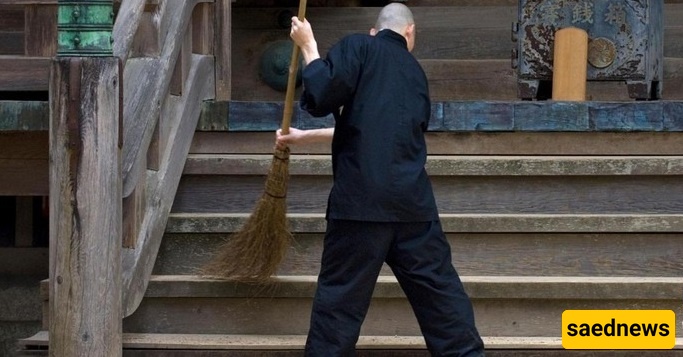
Embedding social awareness into daily school routines helps children develop a strong sense of responsibility toward their environment. When members of a society consistently take responsibility for their surroundings, maintaining cleanliness becomes a natural outcome rather than a forced effort.
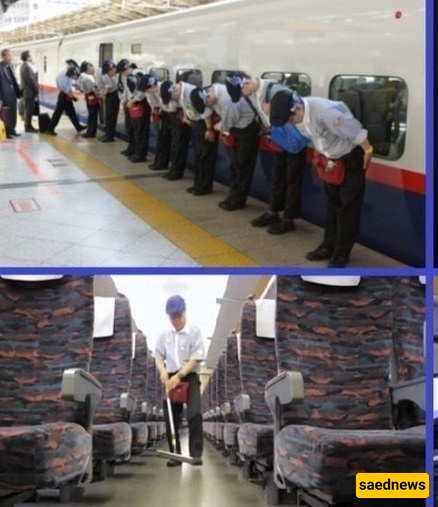
Interestingly, some Japanese cleaning practices have even become tourist attractions. For example, the famously efficient “7-minute train cleaning” performed by staff between arrivals and departures has drawn global attention for its precision and speed.
Another reflection of this culture can be seen in sports stadiums. During the 2014 FIFA World Cup in Brazil and the 2018 World Cup in Russia, Japanese fans were noted for cleaning up their seating areas after matches, taking their trash with them. Similarly, the national team players were known for leaving locker rooms exceptionally clean and orderly.
Even everyday financial interactions reflect this attention to cleanliness. Although cash withdrawn from ATMs is generally clean, Japanese people often place money on a small tray when paying taxi drivers, shopkeepers, or hotel staff, to avoid direct hand-to-hand contact.
Health consciousness is also an important factor. When people catch colds or influenza, wearing masks is common practice to prevent spreading germs to others. This behavior has two major benefits: it helps maintain workforce productivity and reduces healthcare costs by limiting transmission.
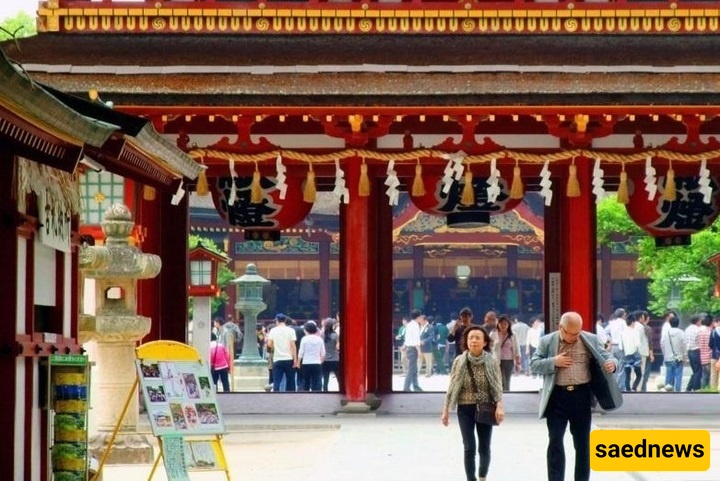
Historically, this emphasis on cleanliness is not new. A British sailor who visited Japan in 1600 wrote in his travel notes that Japanese nobles were remarkably clean, with access to water-based toilets and baths made from aromatic wood.
Environmental conditions also play a role. Japan’s warm and humid climate can accelerate food spoilage and bacterial growth, making hygiene practices even more necessary for daily life.
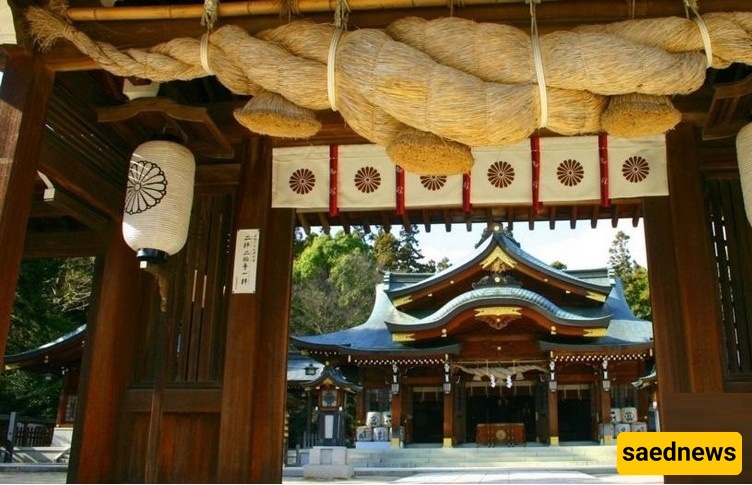
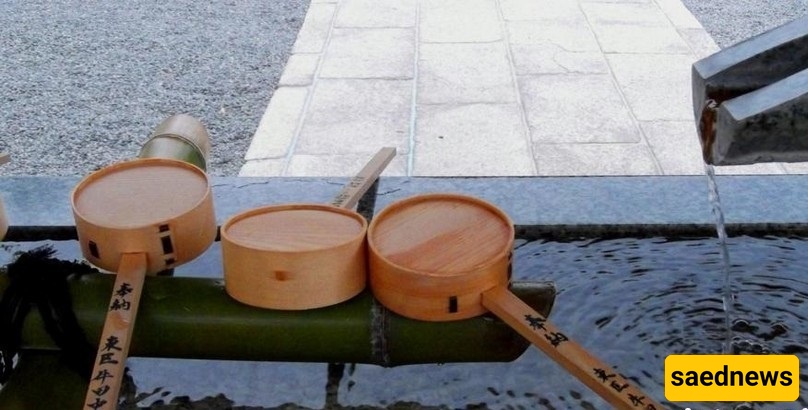
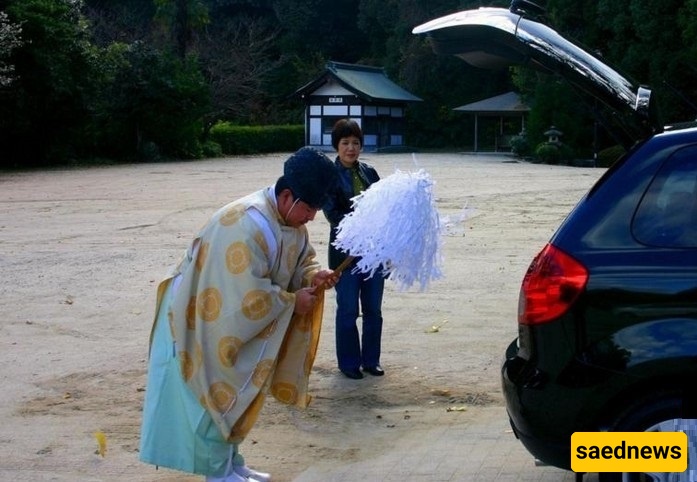
Religious and cultural traditions further reinforce cleanliness. In Buddhism, which arrived in Japan from China and Korea between the 6th and 8th centuries—and especially in Zen Buddhism introduced in the 12th and 13th centuries—everyday activities such as cleaning and cooking are considered spiritual practices. In Zen thought, these tasks are not separate from meditation but are themselves a form of mindfulness.
Overall, Japan’s remarkable cleanliness is not the result of a single factor, but rather a long-standing combination of education, culture, environment, and philosophy that emphasizes responsibility in everyday life.