Saed News: One of the main sources of energy during physical activity is glycogen, and carbohydrates provide energy for the body. During exercise, the body’s energy stores decrease, and this leads to reduced energy reserves and a drop in blood sugar during physical activity.
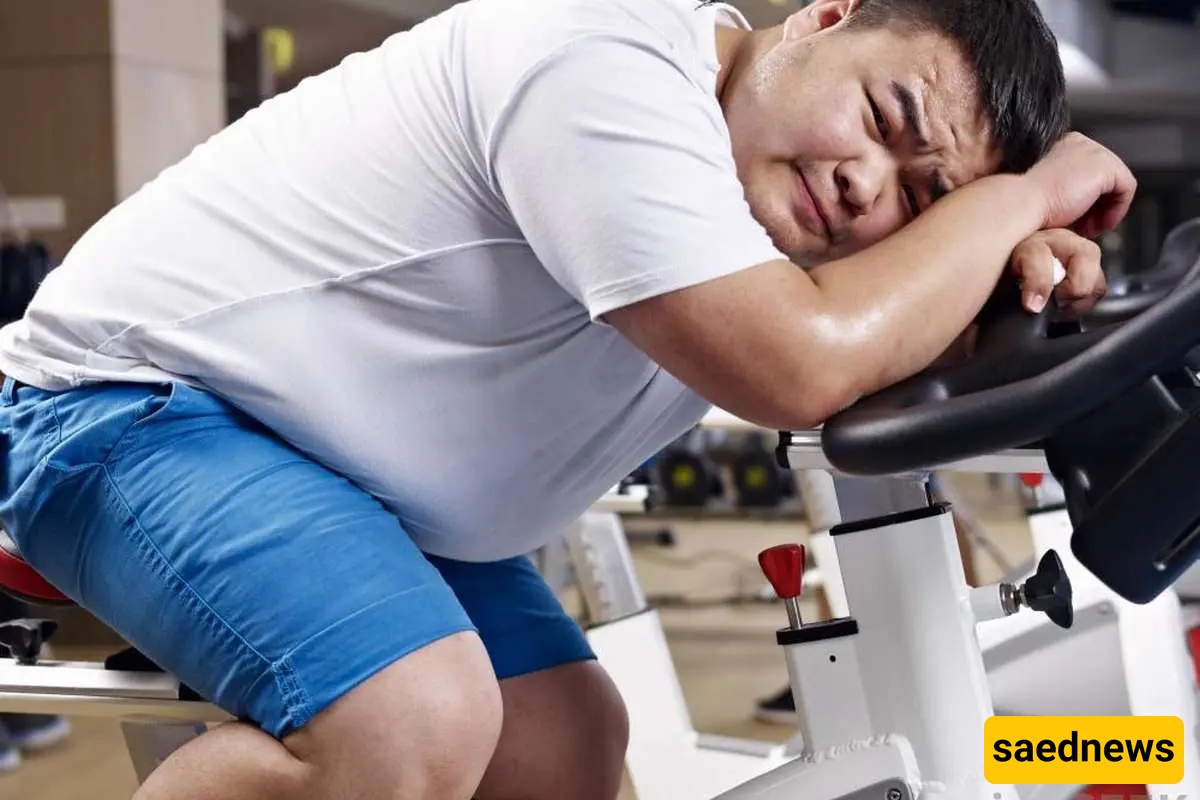
According to SAEDNEWS, citing ISNA, in addition, dehydration and not paying attention to sufficient water intake during training can mistakenly make people feel hungry after exercise.
Based on this report, prepared by Mohammad Mehrtash, a sports nutrition expert in response to a question from ISNA and provided by the Sports Medicine Federation to ISNA, several points should be considered to reduce the tendency to overeat after exercise:
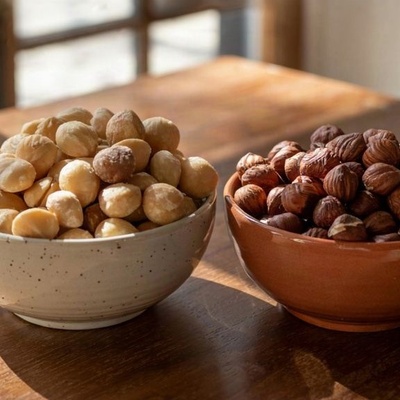
People should not engage in physical activity on an empty stomach or while feeling hungry, and by consuming a snack they can prevent an empty stomach and overeating after training. Consuming foods such as bananas can be helpful in this regard.
Hydration is the second important point; paying attention to water intake during the day and during exercise can help control appetite in athletes and prevent overeating after training. If carbohydrate-containing sports drinks are used, not only does athletic performance improve, but overeating is also controlled.
After exercise, there should be a proper dietary plan, and lost energy stores should be adequately replenished through proper management to prevent overeating after training.
Proper and nutritious meals should be consumed to meet the athlete’s needs.
The tendency to overeat after exercise usually occurs in athletes whose meals are incomplete and who lack some energy sources in their diet. Sufficient complex carbohydrates such as bread and potatoes should be consumed, and attention should be paid to protein intake.
Finally, by following these points, athletes’ energy stores can be replenished, but the best approach is to consult a sports nutrition specialist so that a personalized plan can be designed based on training schedule and body characteristics, ensuring the best performance in sports and competitions.