Saed News: The visibility of veins is not always a sign of a problem or disease. The human body is constantly reacting to different conditions such as temperature, activity, nutrition, and physical condition.
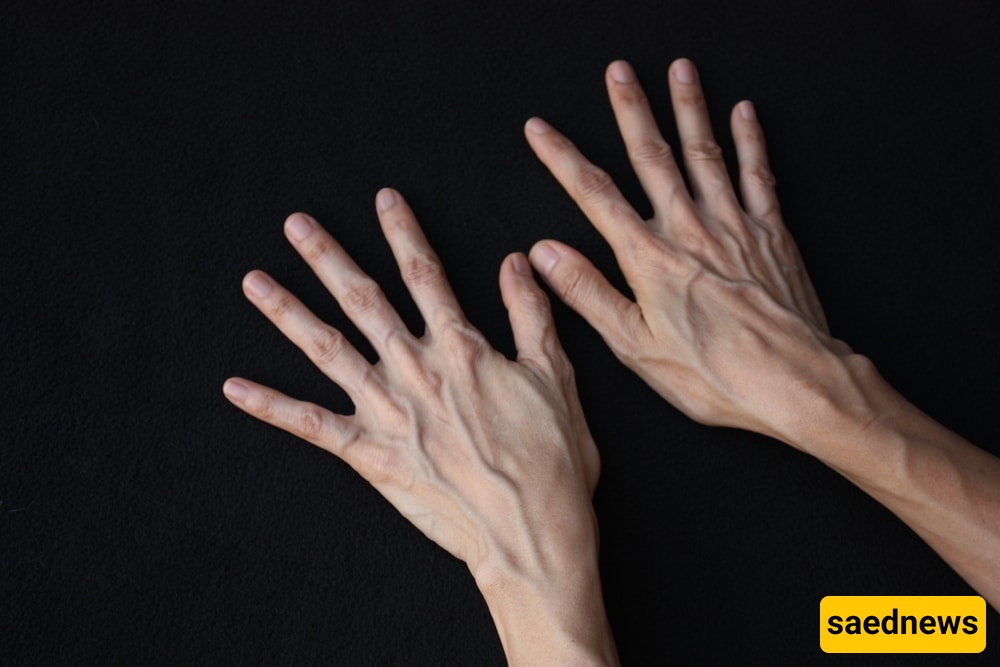
According to SAEDNEWS, many people at some point notice that the veins in their hands, arms, or even legs are more visible than before. This usually causes concern, and some people think that the appearance of veins is a sign of aging or the presence of a dangerous disease.
However, the truth is that in many cases, visible veins are a natural part of the body’s function and can be influenced by various factors.
The human body has an extensive network of veins and capillaries whose job is to transport blood, oxygen, and nutrients. Veins are active 24 hours a day and continuously direct blood toward the heart and different organs. Therefore, small changes in the body’s condition can make these veins more or less visible.
One of the most important factors affecting how visible veins are is genetics. Some people naturally have thinner skin or a vascular structure in which veins are closer to the skin’s surface. In such cases, veins appear more visible even at a young age. This is not necessarily a sign of disease and is often inherited within families.
Skin thickness also plays an important role. As people age, the skin gradually loses some of its collagen and subcutaneous fat. This can make veins appear more visible. However, this process is not limited to the elderly. People who naturally have thin skin may also have more prominent veins at a young age.
Body fat percentage is another influencing factor. When subcutaneous fat decreases, the distance between veins and the skin surface becomes smaller, making veins more visible. That is why professional athletes, bodybuilders, or people with low body weight usually have more prominent veins. This is especially noticeable in the hands, forearms, and legs.
Physical activity and exercise also have a direct effect on the appearance of veins. During exercise, muscles require more oxygen and blood to produce energy. As a result, blood flow increases and veins expand to transport blood more easily. That is why many people notice more prominent veins after training or intense activity. This condition is usually temporary and decreases after rest.
Air temperature can also change the appearance of veins. In hot weather, the body tries to release excess heat through the skin. One of the body’s methods is to dilate blood vessels near the skin surface. Therefore, in summer or after a hot shower, veins may appear more visible. Conversely, in cold weather, veins constrict and become less noticeable.
The level of body water or hydration is also very important. When the body receives enough water, blood circulation improves and sometimes veins appear slightly more prominent. Severe dehydration can also change the appearance of veins. Therefore, vein condition should always be evaluated alongside other body conditions.
Normal blood circulation is also one of the main reasons for visible veins. Veins are part of the body’s vital system and constantly transport blood. Sometimes, due only to changes in light, viewing angle, or body position, veins appear more visible. For example, when the hands are positioned below heart level, more blood may collect in the veins and they may appear more prominent.
Although in many cases visible veins are normal, some signs may require medical evaluation. If vein prominence is accompanied by pain, swelling, redness, a feeling of heat, skin discoloration, or wounds, it is better to consult a doctor. In some cases, conditions such as varicose veins, circulatory disorders, or vein inflammation may cause abnormal changes.
Varicose veins are one of the most common vein-related problems. In this condition, the walls or valves of the veins weaken, and blood does not flow properly. The result is enlarged and twisted veins, especially in the legs. Varicose veins are usually accompanied by a feeling of heaviness, fatigue, or pain and are different from normal visible veins.
A healthy lifestyle can help maintain vein health. Regular physical activity, sufficient water intake, balanced nutrition, and avoiding long periods of sitting or standing are among the measures that help improve the circulatory system. Using sunscreen can also help prevent skin thinning caused by sunlight.
Nutrition can also affect vein health and circulatory system function. Consuming foods rich in antioxidants, fiber, potassium, and beneficial fatty acids helps maintain vein elasticity and improve blood flow.
Green leafy vegetables, fruits, nuts, fatty fish, olive oil, and whole grains are among foods that have been linked in various studies to better cardiovascular health. Reducing salt intake and ultra-processed foods can also support normal vein function. However, no single food causes “vein building” or healthy vein prominence on its own, and vascular health is usually the result of a combination of factors such as diet, physical activity, genetics, and lifestyle.
In conclusion, visible veins are not always a sign of a problem or disease. The human body is constantly reacting to different conditions such as temperature, activity, nutrition, and physical state. The veins seen on the hands or legs are part of a complex system that continuously works to maintain life. Therefore, their appearance can change over time or even during a single day.
The most important point is that body changes should be evaluated in the context of the person’s overall health. If visible veins appear without pain or other symptoms, they are usually normal. However, if these changes are sudden, severe, or accompanied by other symptoms, consulting a doctor is the best decision.