Saed News: Sleep apnea is one of the most common sleep disorders and can be associated with persistent fatigue, reduced concentration, and an increased risk of heart disease; however, specialists say that simple changes such as regular exercise, weight loss, adequate sleep, and stress management can play an important role in reducing symptoms.
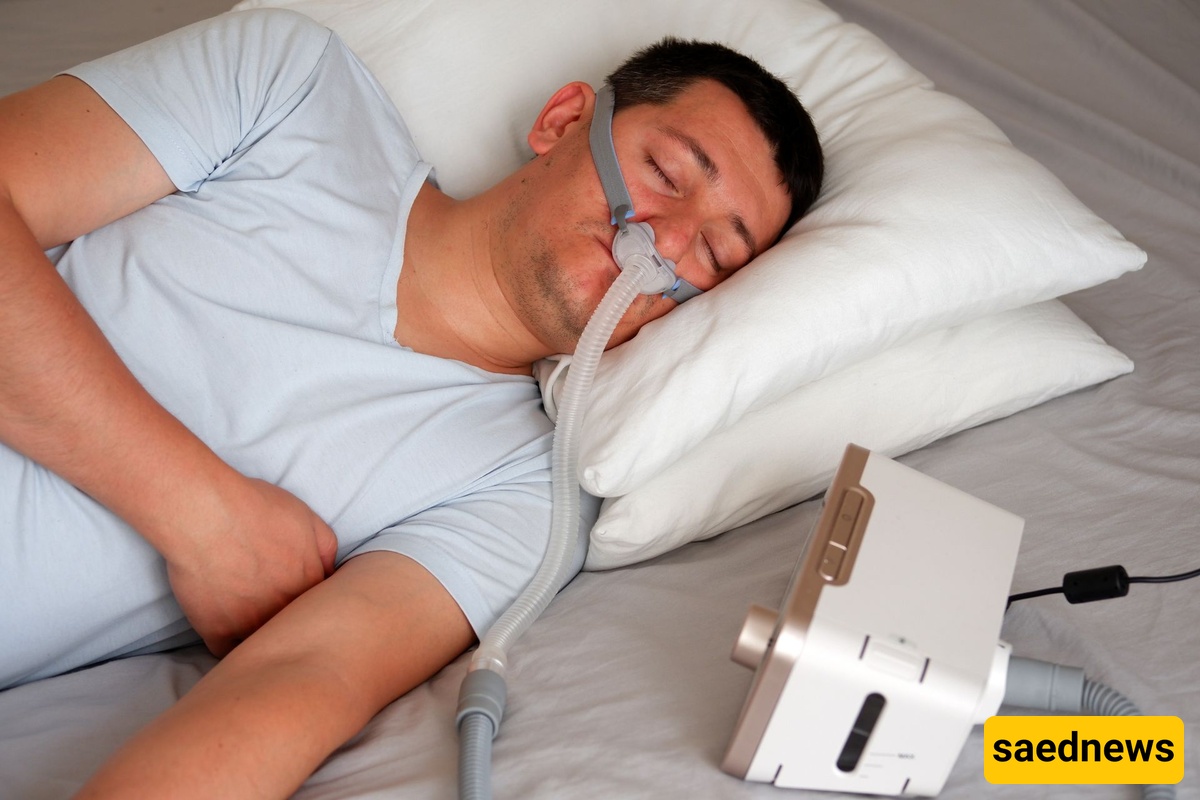
According to SAEDNEWS, sleep apnea is a type of breathing disorder during sleep in which a person’s breathing stops for a few seconds, and sometimes repeatedly throughout the night. These breathing pauses can reduce sleep quality, cause excessive daytime fatigue, morning headaches, and even increase the risk of some cardiovascular and metabolic diseases.
According to information published on the WebMD website, lifestyle changes can significantly help control this disorder. Many patients have experienced better quality sleep and reduced symptoms by making simple but consistent lifestyle modifications.
One factor that can affect sleep quality is alcohol consumption. Alcohol may initially cause drowsiness, but it can actually disrupt the natural sleep cycle and lead to poor-quality nighttime sleep. In people with sleep apnea, alcohol consumption can worsen breathing interruptions during sleep. Therefore, many specialists recommend that patients minimize or avoid alcohol consumption whenever possible.
A healthy diet is one of the most important factors in maintaining overall health and improving sleep quality. Excessive consumption of sugar and processed foods can affect the body’s metabolism and, in some cases, lead to weight gain. These factors are considered contributors to worsening sleep apnea.
Experts recommend that patients reduce processed foods and sweets as much as possible and instead increase their intake of vegetables, fruits, water, and natural foods. Such dietary changes can help improve sleep quality as well as weight control. In some people, even losing a few kilograms can reduce the severity of sleep apnea symptoms.
Regular exercise is one of the most important factors that can improve both physical and mental health. Physical activity enhances heart and lung function, increases energy levels, and reduces stress. For people with sleep apnea, exercise can also have positive effects. Daily walking, simple home workouts, or activities such as gardening can help increase physical activity. Although exercise alone is not considered a definitive treatment for this disorder, it can help reduce symptom severity and improve sleep quality.
One problem many people face before being diagnosed with sleep apnea is having an irregular sleep pattern. Staying awake late at night, sleeping at different times, or trying to compensate for sleep deprivation on later days can disrupt the body’s biological clock.
Specialists recommend that people with sleep apnea go to bed and wake up at the same time every day. Such consistency can help regulate the sleep cycle and lead to deeper and higher-quality sleep. Regular use of treatment devices such as CPAP masks can also be more effective alongside this routine.
Stress and psychological pressure are among the factors that can reduce sleep quality. When a person is under stress, the body remains in a state of alertness, making restful sleep more difficult.
Relaxing activities such as listening to music, meditation, reading, gardening, or engaging in a favorite hobby can help reduce stress. Including such activities in a daily routine can help people achieve a calmer mind and better nighttime sleep.
One important aspect of managing chronic diseases is having sufficient knowledge about them. Many people know little about a disease after being diagnosed, which can lead to anxiety or even neglecting treatment.
Learning about sleep apnea, becoming familiar with treatment methods, and following doctors’ recommendations can help individuals better understand their condition. In addition, communicating with people who have similar experiences or joining support groups related to the disorder can be a valuable source of shared experiences and emotional support.
Experts emphasize that having a chronic disease does not mean the end of an active and healthy life. In many cases, lifestyle changes can help people gain greater control over their health condition.
Improving daily habits, paying attention to physical and mental health, and following medical treatments can help people with sleep apnea live a normal and even healthier life. Small lifestyle changes can sometimes have major effects on a person’s health and help them look to the future with greater energy and hope.