Saed News: Vitamins during pregnancy are very important for the growth and fetal weight gain. These vitamins help the fetus increase its weight. For optimal fetal weight gain during pregnancy, it is better to take vitamins regularly.
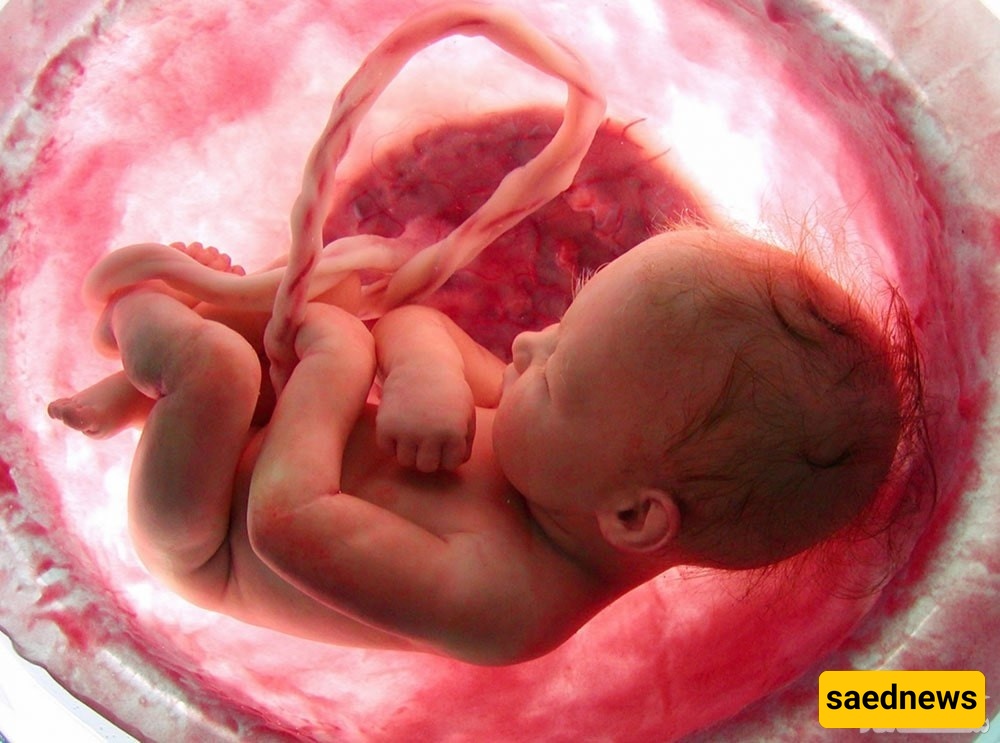
According to SAEDNEWS, most pregnant mothers are concerned that the fetus’s weight increases sufficiently each month of pregnancy. Many of these mothers are worried about fetal weight gain due to morning sickness and lack of proper nutrition. However, it is better to become familiar with the best methods of fetal weight gain so that you can compensate for this weight deficit in the first trimester of pregnancy.
Most pregnant women have their first ultrasound in the first trimester. The ultrasound specialist performs various procedures to understand the growth and development of the fetus and takes measurements:
Femur length (FL)
Head circumference (HC)
Abdominal circumference (AC)
Biparietal diameter (BPD)
Humerus length (HL)
With the above parameters, the ultrasound specialist determines fetal weight and gestational age. The estimated due date (EDD) is also given to the pregnant mother.
As a pregnant mother, you are certainly worried about your fetus’s weight gain and looking for ways to increase it. Here are some effective methods for fetal weight gain.
Diet plays the most important role in pregnancy. If you want to increase fetal weight, you should include fruits, vegetables, whole grains, meat, and chicken in your diet.
A balanced diet includes nuts and dried fruits. Include almonds, apricots, figs, walnuts, and other nuts, fresh or dried, in your diet.
Vitamins during pregnancy are very important for fetal growth and weight gain. These vitamins help the fetus increase weight. For optimal fetal weight gain during pregnancy, it is better to take vitamins regularly.
To prevent dehydration during pregnancy, drink enough fluids. Dehydration during pregnancy may lead to serious medical complications. Drinking natural fruit juice, milk, and water during pregnancy is important for maintaining the health of both mother and fetus.
Rest is very important for a pregnant woman. Excessive or unnecessary pressure may be harmful to fetal growth and development. Try to get at least 8 hours of uninterrupted sleep and do not ignore your energy levels.
Not only physical health care but also mental health is important. Any type of stress and anxiety can affect the fetus. Emotional outbursts may lead to loss of appetite and can affect fetal health.
Sweet potato: Sweet potatoes are rich in fiber, potassium, vitamin C and B6, iron, copper, and beta-carotene. Beta-carotene in sweet potatoes is converted into vitamin A in the body. As you know, this vitamin is essential for skin, bones, and eyes. Sweet potatoes increase iron levels in the body.
Lentils and beans: Lentils and legumes are rich in iron and protein. By consuming beans and lentils, you will receive enough fiber, folate, and calcium. If you are vegetarian, beans provide essential minerals to your body.
Orange juice: Start your day with a glass of fresh orange juice and increase vitamin C, potassium, and folate levels. Folate and folic acid are very important during pregnancy. Meeting the daily requirement of these nutrients can reduce the risk of birth defects in the baby.
Yogurt: Calcium, protein, vitamin B, and zinc—bone-building nutrients—are found in yogurt. Your daily calcium requirement is 1000 mg, and you can meet much of it with yogurt. Adequate calcium reduces the risk of preterm birth or low birth weight.
Salmon fish: Fish is rich in omega-3 fatty acids and protein. Omega-3 fatty acids are very beneficial for fetal growth and help brain and eye development. Salmon is safe for pregnant women because it has low mercury levels.
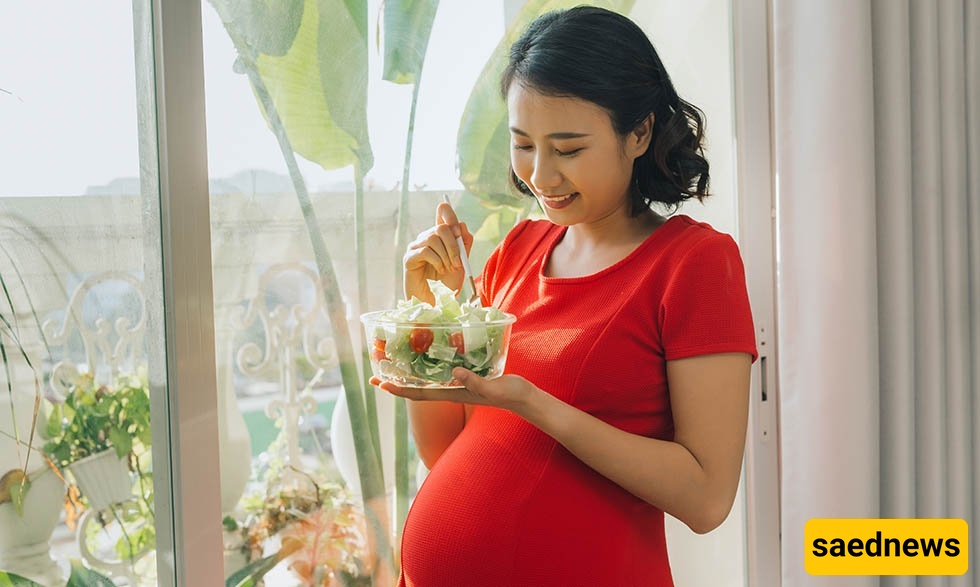
Green leafy vegetables: Green leafy vegetables such as spinach, cabbage, broccoli, and asparagus are rich in essential nutrients and antioxidants. These vegetables greatly help fetal growth.
Egg: Eggs are a powerhouse of protein, vitamin A, and vitamin D, all of which are essential for fetal growth and development. Eggs are rich in folic acid and iron and help strengthen the amniotic membrane and prevent birth defects and low birth weight.
Milk: Daily consumption of 200 to 500 ml of milk can help fetal weight gain during pregnancy. Milk contains large amounts of protein and calcium, which are essential for fetal growth.
Chicken: Chicken is an excellent food that helps increase fetal weight. This lean meat is rich in protein, which strengthens cells and muscles. In addition to protein, chicken contains a large amount of iron, which reduces anemia in the mother and fetus.
Soy: Soy is a rich source of protein for vegetarians and can be consumed in various forms. Soy, due to its high iron content, helps prevent anemia.