SAEDNEWS: Islamabad, Pakistan – Discover the Capital City of Pakistan
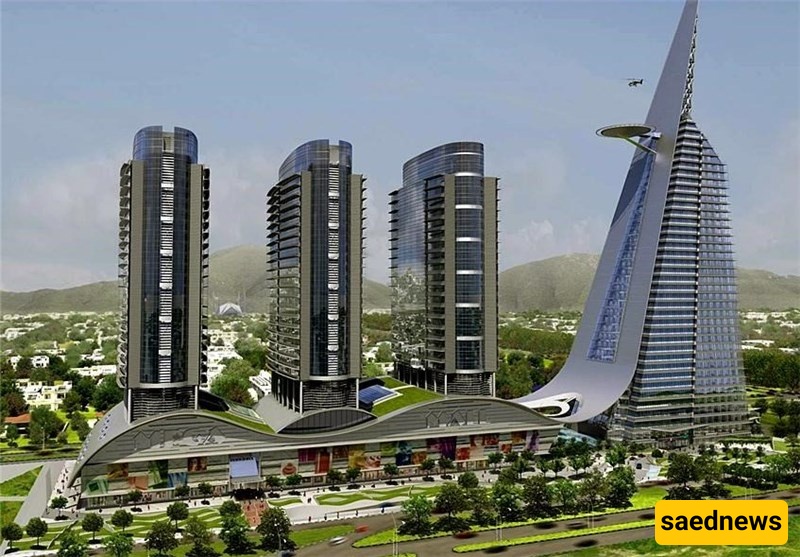
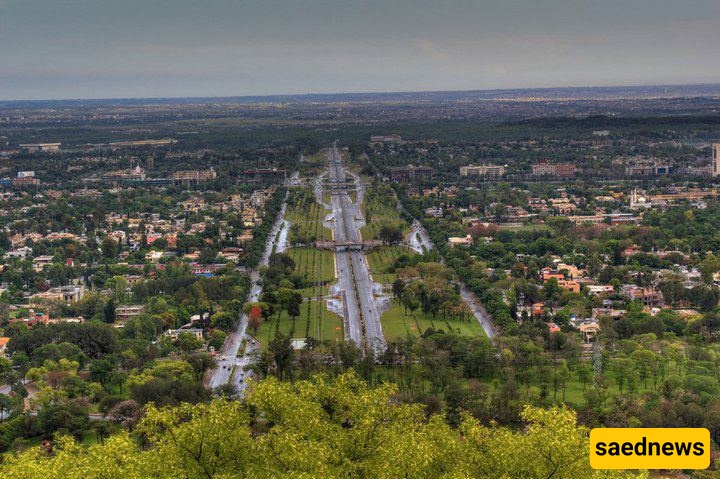
According to Saednews, The city of Islamabad is situated at the edge of a plateau, south of the Margalla Hills. The new city of Islamabad and the old city, historically known as the old Gakhar settlement, lie alongside one another. In the past, parts of this area were considered part of Rawalpindi, but today they are associated with Old Islamabad, reflecting the region’s historical and modern development.
Three lakes are located around Islamabad: Sanaras, Simli, and Khanpur. These lakes contribute significantly to the city’s natural beauty and pleasant environment.
Islamabad, with a population of approximately 530,000, is located in northeastern Pakistan in the Islamabad Capital Territory. Historically, the region was considered part of Punjab.
The city lies at 33°40′ north latitude and 73°10′ east longitude, along the edge of the Potohar Plateau and south of the Margalla Hills.
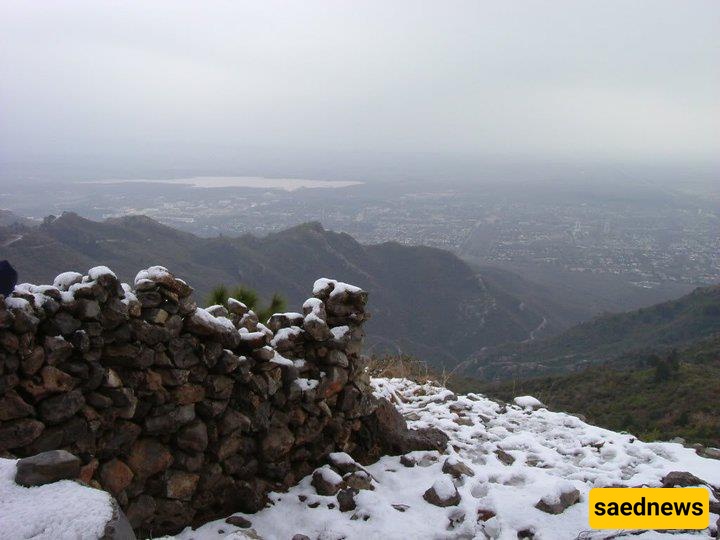
Three artificial reservoirs—Rawal, Simli, and Khanpur—help moderate the climate of the region. Summers are hot, with heavy monsoon rainfall occurring in July and August. Winters are cold, and temperatures sometimes fall below freezing. Snowfall can also occur in the surrounding hills, including Pir Sohawa and the Margalla Hills.
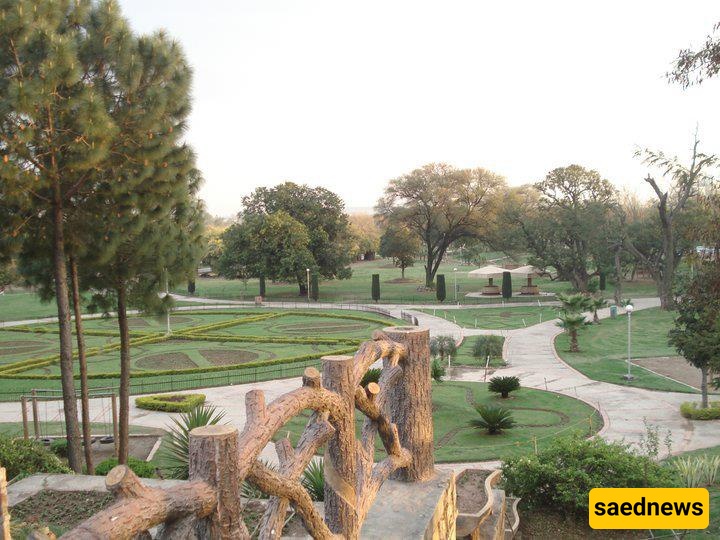
Islamabad is situated in a fertile region characterized by dense forests. Trees such as eucalyptus, Indian fig, and oak cover the city and its surrounding areas. The region’s vegetation generally has sufficient nitrogen and phosphorus to support plant growth and development.
Islamabad is home to a variety of plants, including rare species such as wild mung beans and dandelions. Non-native plants, including roses and jasmine, are also cultivated in the city. Deciduous trees add beautiful autumn colors to the urban landscape.
The trees of Islamabad are adapted to high temperatures and relatively low rainfall during the summer. Their growth accelerates under intense sunlight. However, the spread of invasive plants, such as paper mulberry from Southeast Asia, along with the increasing presence of termites, threatens the survival of native vegetation.
The vegetation of Islamabad is rapidly declining. There are concerns that the city could lose its natural landscapes unless native and suitable non-native plants are replanted and protected. Population growth, accompanied by the cutting down of forest trees and native plants, has contributed to the destruction of the city’s vegetation.
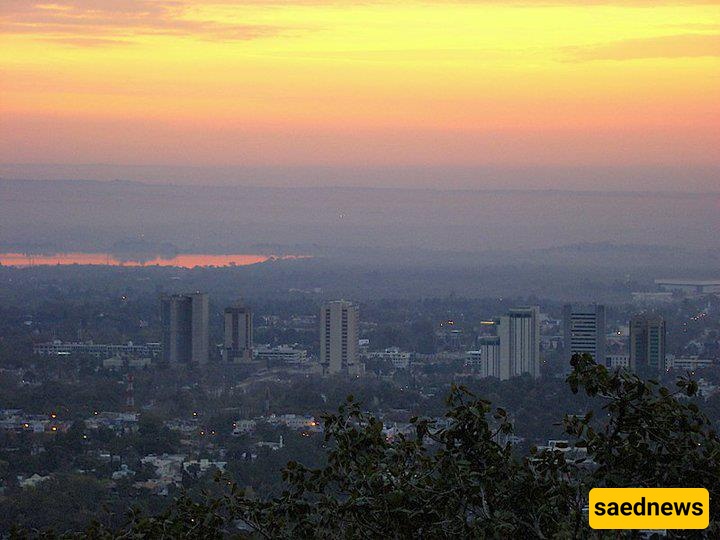
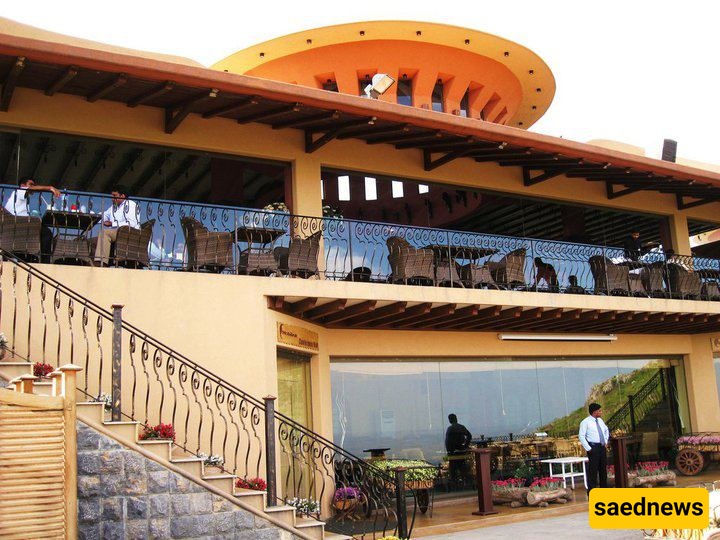
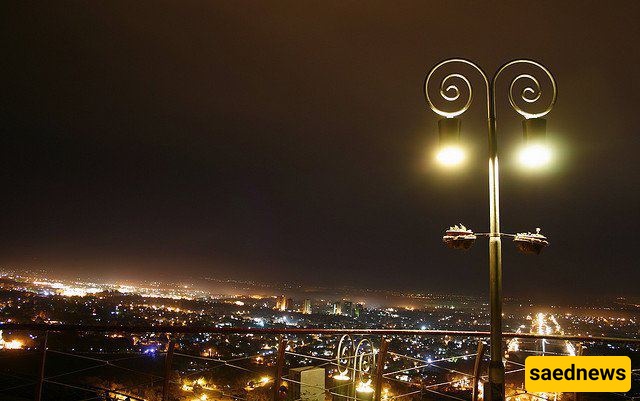
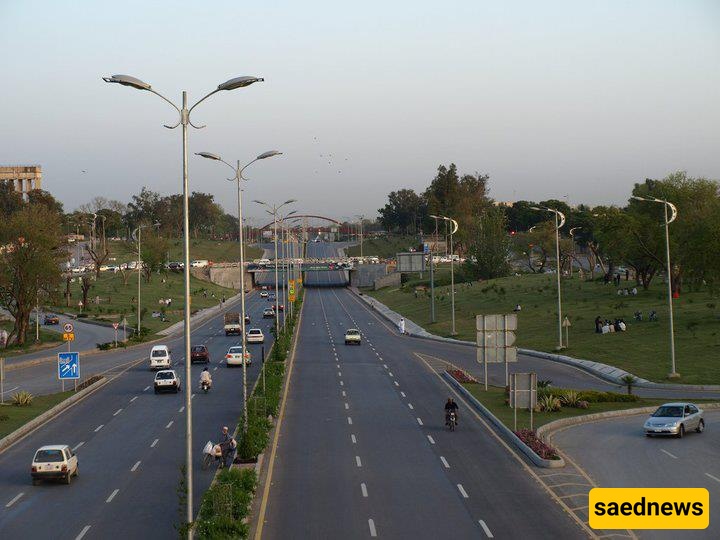
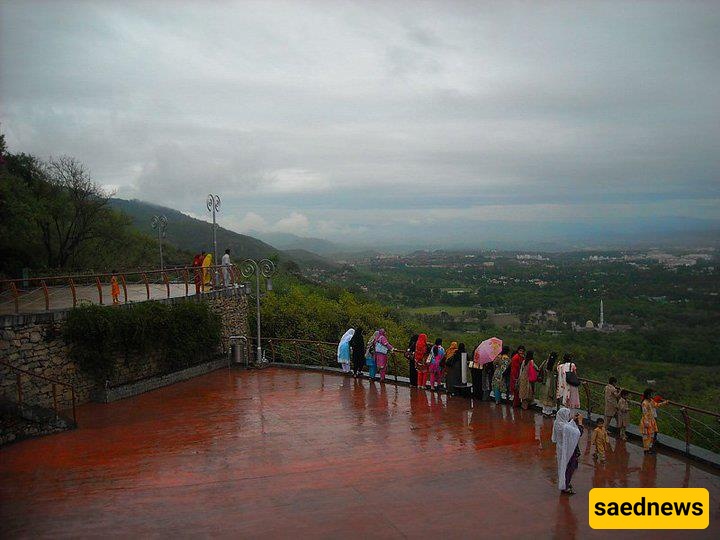
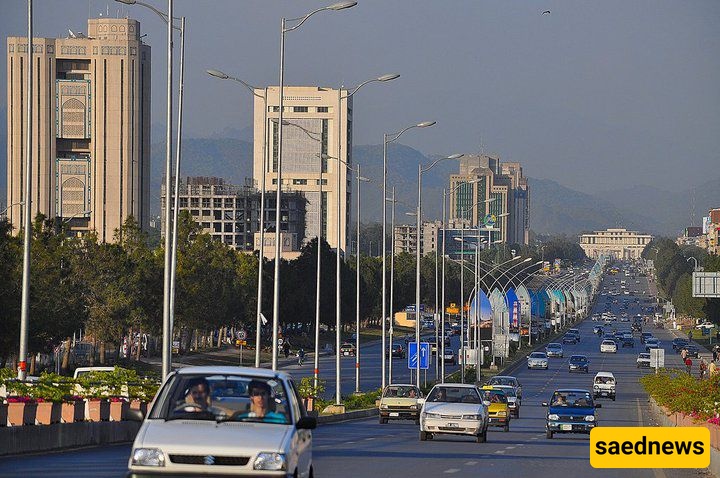
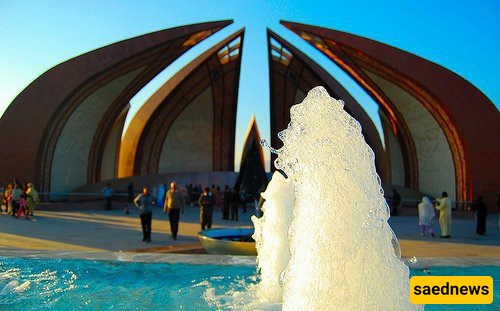
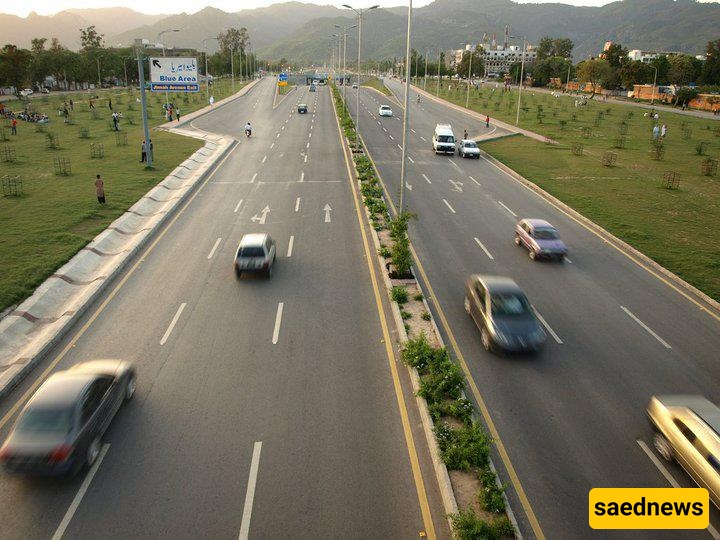
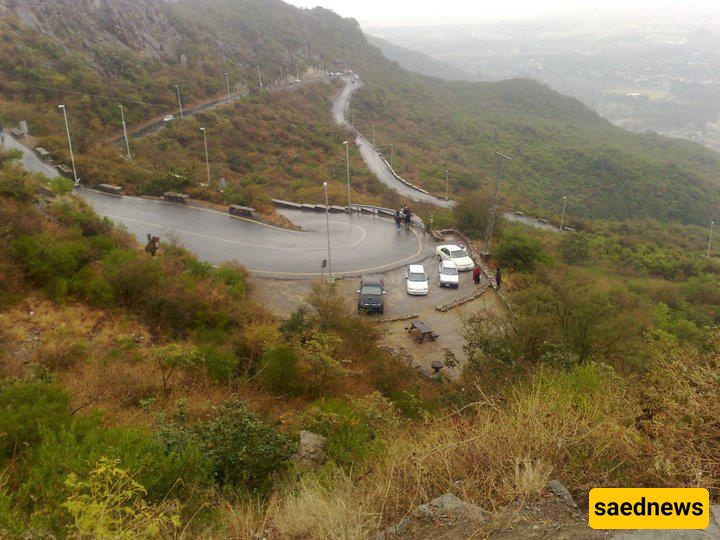
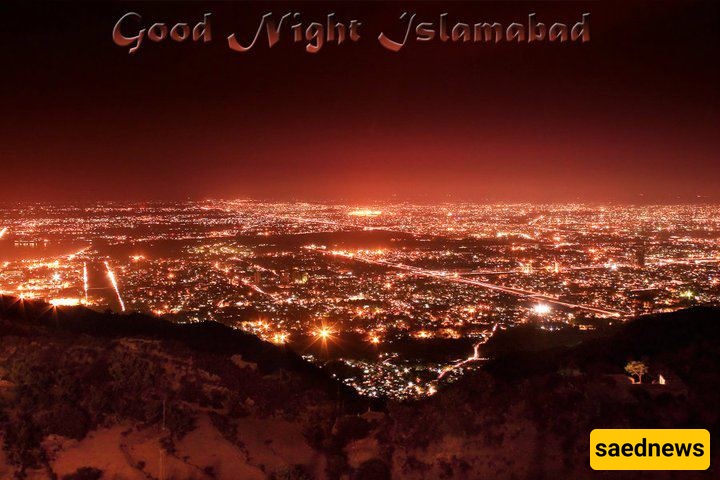
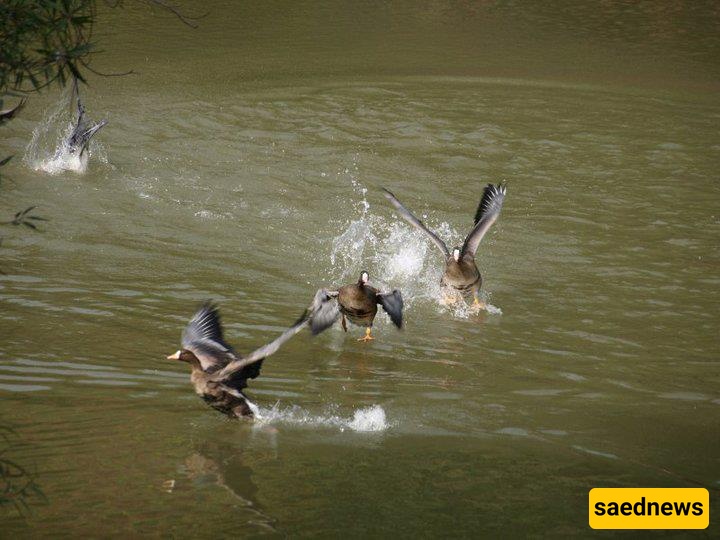
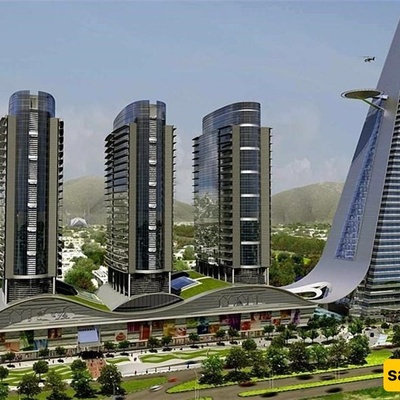
Photographs of Islamabad showcase the city’s scenic landscapes, surrounding hills, lakes, forests, and urban environment.