SAEDNEWS: A direct flight is one where a passenger travels to the destination using a single ticket, flight number, and aircraft without leaving the plane. In contrast, an indirect flight involves a different flight number and ticket, requiring the passenger to change aircraft during the journey.
According to Saednews, When booking a flight, you may come across several terms that can make your travel planning easier once you understand them. Two of the most common are direct flights and connecting flights. What is the difference between them? Why are some flights direct while others require a connection?
Understanding these concepts before purchasing a ticket—especially for international travel—can help you choose the right itinerary while potentially saving time and money.
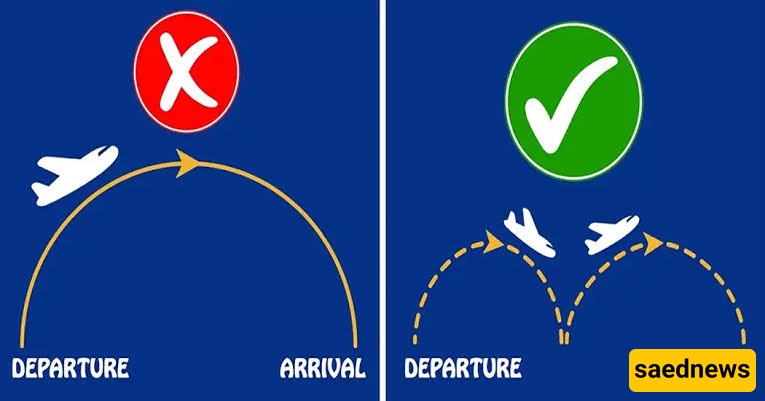
A direct flight travels between the origin and destination without requiring passengers to change aircraft.
In everyday travel terminology, a flight that makes no stop at all is often called a non-stop flight. A direct flight, however, may sometimes make a technical stop, such as for refueling, without requiring passengers to leave the aircraft or change planes.
Direct and non-stop flights are particularly common on shorter routes. Many domestic flights and flights between neighboring countries operate this way.
A connecting flight, also known as an indirect flight, requires passengers to stop at an intermediate airport and continue their journey on another flight.
The intermediate airport is commonly known as a transit airport. Unlike a direct flight, passengers generally need to leave their first aircraft and board another one to reach their final destination.
There are several reasons why a route may require a connection. The most common is that no direct service is available between the origin and destination. This may be due to limited demand, airline schedules, temporary reductions in service, or restrictions between countries.
Another reason can be the length of the journey. On particularly long routes, an aircraft may need to make one or more stops before reaching its destination.
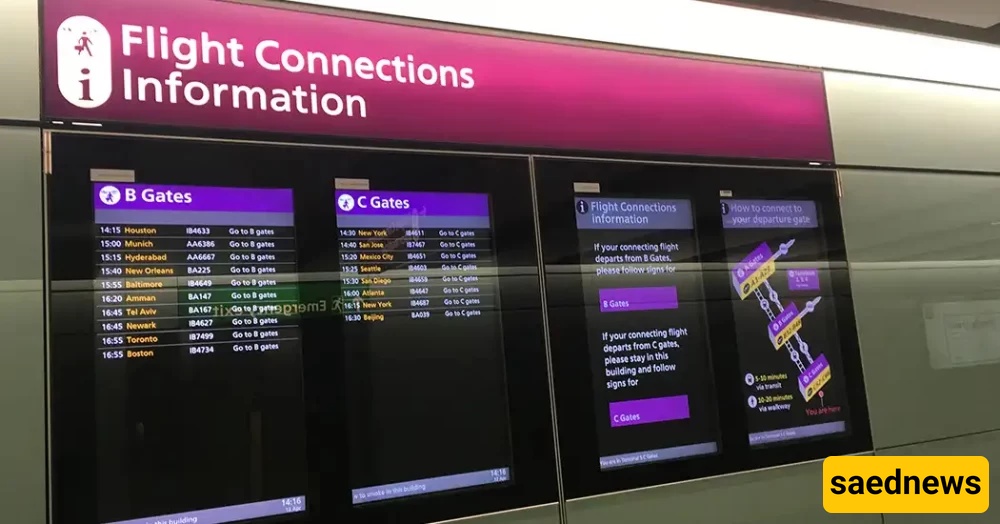
Connecting flights can generally be divided into two categories: online connections and interline connections.
An online connection involves flights operated by the same airline, although each segment may have a different flight number. The aircraft used for each part of the journey does not necessarily have to be the same type. One segment might use an Airbus, for example, while another could use a Boeing or another aircraft model.
With an interline connection, different segments of the journey may be operated by different airlines. Depending on the ticket and itinerary, passengers may therefore travel with more than one airline during their trip.
One of the biggest differences is travel time. If both direct and connecting options are available between two destinations, a connecting itinerary will normally take longer because passengers have to spend additional time at the transit airport.
Another important difference is price. When both options are available in the same travel class, connecting flights are often cheaper than direct flights. Direct flights generally cost more because travelers are paying for greater convenience, a shorter journey, and less time spent in transit.
There is also a difference in the flight segments involved. A connecting itinerary normally consists of multiple flight numbers. At the transit airport, passengers transfer to another flight rather than continuing on the same aircraft.
In most cases, passengers do not need to purchase a completely new ticket at the transit airport. If the entire journey has been booked as one itinerary, the original ticket covers the connecting segments.
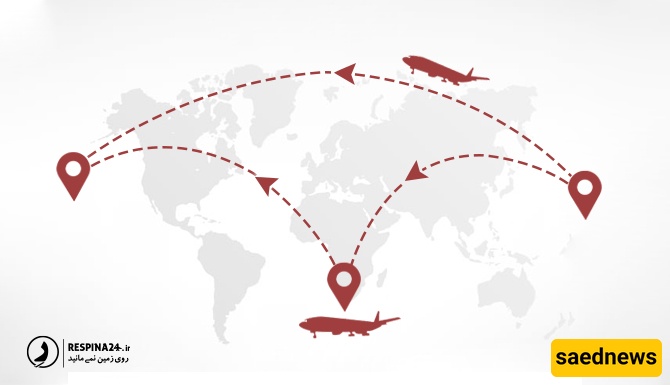
Not every advantage belongs to direct flights. Connecting flights can have their own benefits, particularly on long journeys in economy class.
A stopover can give passengers a chance to get out of their seats, stretch their legs, have a meal, get some fresh air, or explore the airport before continuing their journey.
Some major international airports are well known for their shopping areas, duty-free stores, restaurants, lounges, and entertainment facilities. A few hours between flights can therefore add variety to a long trip.
However, travelers flying in business class or first class may prefer to remain on a direct flight. Comfortable seats, private suites, premium dining, and other onboard services can make even a long journey considerably more relaxing.
If you choose or need to take a connecting flight, there are several important points to consider.
First, book your itinerary through a reputable airline or travel provider and understand what protection you have if a flight is delayed or canceled. The risk of disruption increases when your journey involves multiple flight segments.
If a delay on the first flight causes you to miss a subsequent flight on the same protected itinerary, the airline may be responsible for assisting you according to its conditions of carriage and applicable regulations. Depending on the circumstances, this can include arranging an alternative flight, providing assistance at the airport, or offering compensation or a refund where applicable.
If, however, you booked separate tickets independently, the airline operating the second flight may not be responsible if you miss it because of a delay on the first flight. Always check the conditions before purchasing separate tickets.
You should also avoid becoming so distracted by shopping, restaurants, or other airport facilities that you miss your next flight.
The time between two flights is known as the connection time or layover. Airlines generally schedule connection times according to the airport's procedures and the requirements of the itinerary.
The process can vary considerably between airports. You may need to pass through security screening again, collect and recheck baggage, go through immigration or customs, or travel a significant distance between terminals.
Weather conditions, airport congestion, long security queues, baggage procedures, and special services such as wheelchair assistance or traveling with pets can also affect how much time you need.
Connection times can range from relatively short transfers to many hours. For longer layovers, travelers should also check whether they need a transit visa for the country where they are changing flights. Visa requirements vary depending on your nationality, airport, itinerary, and whether you remain in the international transit area.
For this reason, it is essential to check the transit and visa requirements before starting your journey. Failure to meet the requirements can result in serious problems at the transit airport, including being denied onward travel.
The choice between a direct and connecting flight depends on your priorities.
A direct flight is usually the better option if you value speed, convenience, and a simpler journey. A connecting flight may be preferable if you want to reduce the ticket price or if no direct service is available.
Before booking, compare not only the fare but also the total travel time, connection duration, airport requirements, baggage arrangements, airline policies, and transit visa rules. A slightly more expensive direct flight can sometimes be worth the additional cost, while a well-planned connection can offer significant savings.