SAEDNEWS: Sibandareh Village in Alborz Province, with its pristine mountain landscapes, traditional architecture, and authentic Iranian culture, is a lesser-known yet remarkably scenic destination for travelers and nature enthusiasts.
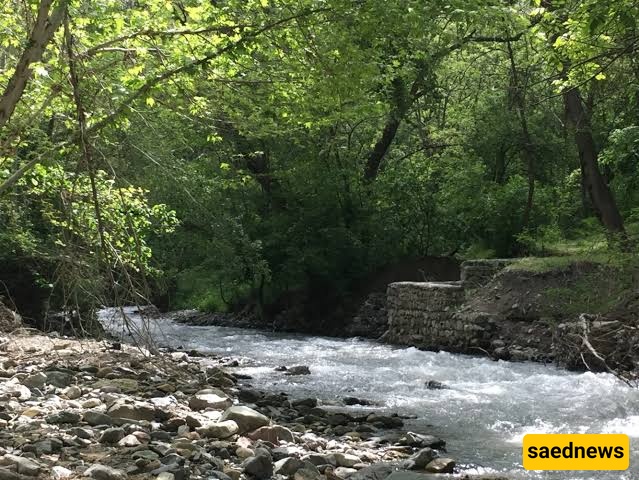
According to Saednews, Alborz Province, with its mountainous landscapes and pleasant climate, has long been an attractive destination for tourists and nature lovers. Among the many villages scattered throughout the province, Siban Darreh stands out as a lesser-known yet remarkably scenic destination. Located near Karaj along the Chalus Road, the village offers visitors a unique combination of pristine nature, traditional architecture, and authentic Iranian culture. This article provides a comprehensive look at Siban Darreh, including its attractions, local culture and customs, access routes, accommodation, and recreational activities.
Siban Darreh is located in Alborz Province, within Karaj County and Asara District. The village lies approximately 35 kilometers northwest of Karaj along the Karaj–Chalus Road. Its foothill location offers impressive views of the Central Alborz Mountains.
Route 1 — Via the Chalus Road:
After traveling from Karaj toward Chalus, you can find a sign for Siban Darreh near the village of Veyneh. From there, an approximately 5-kilometer paved road leads to the village.
Route 2 — Via Beylaghan Road:
The village can also be reached through Karaj's Beylaghan Road. This route is somewhat longer but passes through relatively untouched natural scenery.
Important note: The road to the village is partly mountainous and winding, so careful driving during daylight hours is recommended.
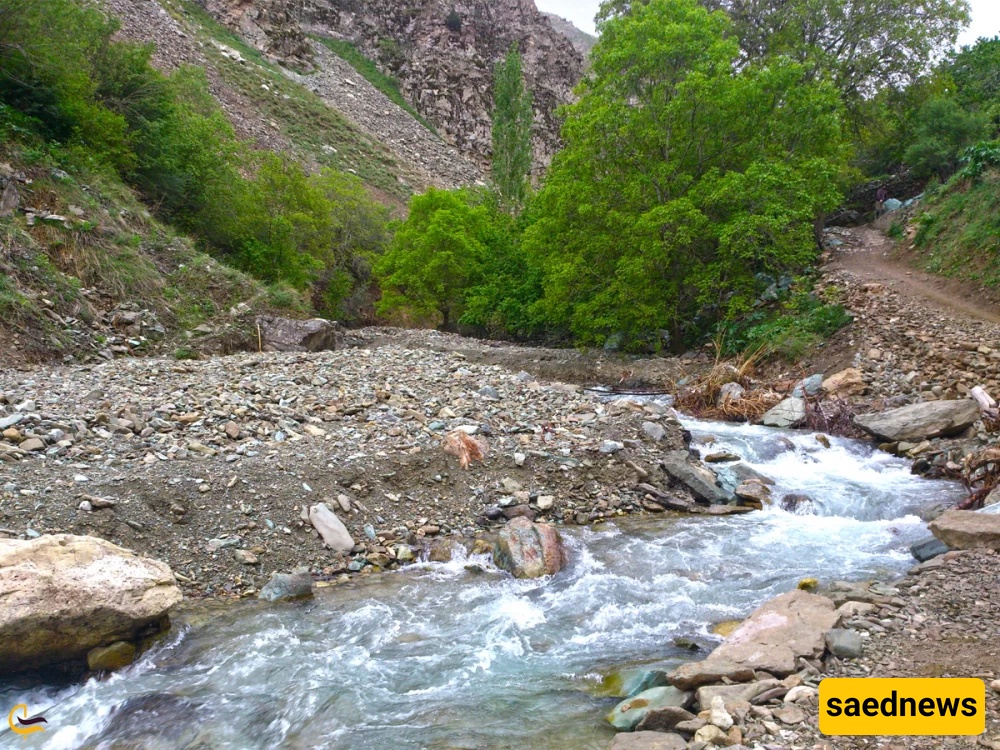
The name “Siban Darreh” consists of two parts. “Siban” is said to mean “white” or “bright” in the local language, while “Darreh” means a valley or lowland between mountains. The name can therefore be interpreted as “White Valley” or “Bright Valley.” The name may be associated with the area's heavy snowfall during winter or the presence of white limestone formations.
The village dates back several centuries. Architectural evidence and archaeological remains in the surrounding area suggest that settlement in the region became more established during the Safavid period. The local population is predominantly Iranian and speaks Persian alongside the Tati dialect.
Siban Darreh lies on the slopes of the Alborz Mountains and is surrounded by lush, relatively untouched landscapes. During spring and summer, the hillsides are covered with wildflowers and medicinal plants. Walnut, apple, sour cherry, and apricot trees are also abundant in the village's orchards.
Natural attractions around the village include:
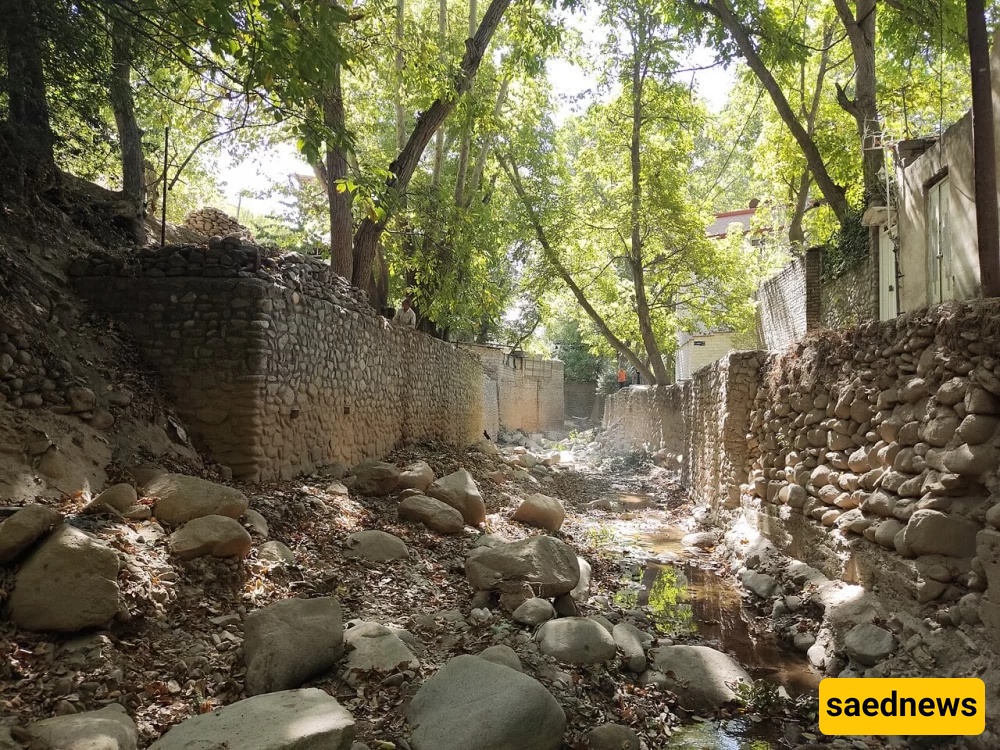
Siban Valley: The village's main valley, crossed by a seasonal river and particularly green during spring and summer.
Surrounding Peaks: The mountains around the village offer varied opportunities for experienced hikers and mountaineers.
Natural Springs: Several freshwater springs can be found around the village and provide drinking water for local residents.
Siban Darreh's traditional village architecture reflects the mountainous environment. Many homes are built from stone, brick, and adobe and feature pitched roofs. The narrow, stone-paved lanes create a peaceful and nostalgic atmosphere.
Architectural features include:
Terraced houses built along the mountain slopes
Wooden balconies with traditional decorations
Small courtyards with fruit trees
Flat rooftops traditionally used for drying agricultural products
Old Village Mosque:
The village's main mosque has simple yet attractive architecture and is said to be more than 200 years old, making it one of the area's historic structures.
Imamzadeh and Sacred Shrine:
Near the village is a shrine associated with one of the descendants of the Shiite Imams, which is respected by local residents.
Old Bathhouse:
The village's traditional bathhouse is no longer operational but provides an example of traditional Iranian architectural design.
Residents of Siban Darreh traditionally engage in agriculture and livestock farming. Notable local products include:
High-quality walnuts: Siban Darreh walnuts are known locally for their quality and flavor.
Natural honey: Mountain honey from the area is considered a high-quality local product.
Medicinal herbs: Thyme, mint, pennyroyal, borage, and kakuti are among the plants found in the region.
Handicrafts: Carpet weaving, kilim weaving, and wooden crafts are among the traditional handicrafts associated with the village.
Residents of Siban Darreh speak Persian alongside the Tati dialect. Tati belongs to the Northwestern Iranian group of languages and is spoken in parts of Alborz and Qazvin provinces.
Traditional Weddings:
Local weddings are celebrated with distinctive customs that may include traditional dancing, folk music, and the preparation of special dishes.
Muharram Ceremonies:
During Muharram, villagers participate in mourning ceremonies such as chest-beating rituals and Ta'zieh performances to express their devotion to the Prophet Muhammad's family.
Nowruz Celebrations:
The Persian New Year is welcomed with customs such as spring cleaning, preparing samanu, and visiting relatives and friends.
Traditional food in Siban Darreh is largely prepared using locally sourced ingredients.
Popular dishes include:
Local soups: Ash Reshteh, Ash-e Doogh, and yogurt-based ash
Local kebab: Prepared with locally sourced lamb and mountain herbs
Traditional stews: Plum-and-spinach stew, rhubarb stew, and eggplant stew
Local bread: Sangak and Barbari-style bread
In recent years, several eco-lodges have reportedly been established in Siban Darreh, offering visitors the opportunity to experience rural life. These accommodations generally preserve traditional architectural features while providing modern amenities.
Typical eco-lodge features include:
Traditional rooms decorated with carpets and local ornaments
Locally prepared meals
Green spaces and traditional courtyards
Areas suitable for tents and camping
Several restaurants and cafés operate in and around the village, serving traditional and regional dishes. Some establishments have terraces overlooking the surrounding mountains.
Visitors can find basic amenities such as:
Grocery stores
Local bakeries
A gas station near the main road
Mobile internet access, although coverage may be limited in some areas
Spring is considered an excellent season for visiting Siban Darreh. The landscape becomes lush and colorful with wildflowers, while the pleasant temperatures create favorable conditions for hiking and walking.
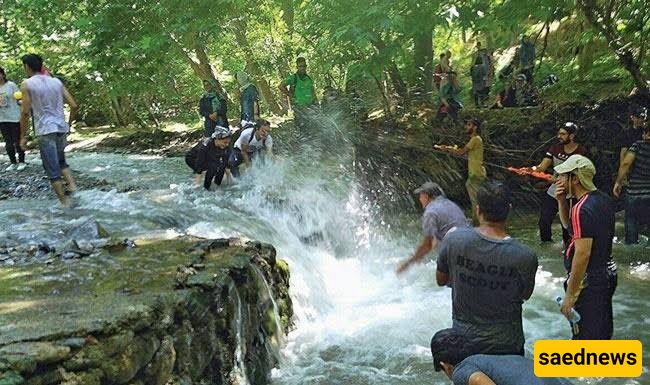
Summers in Siban Darreh are generally cooler and more pleasant than in nearby urban areas. It can be a suitable destination for escaping the heat and enjoying the mountain environment.
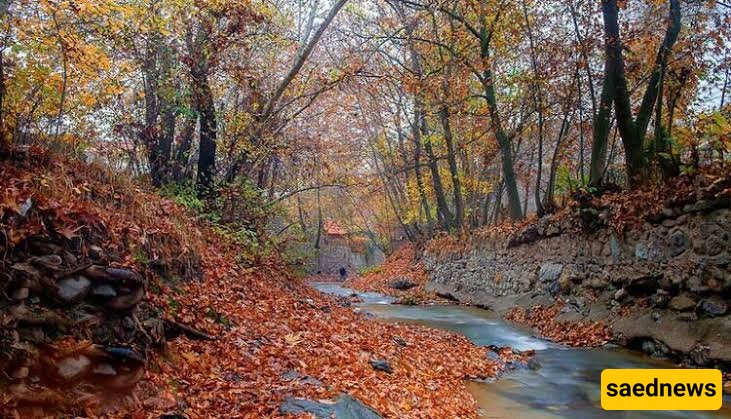
Autumn transforms the village with golden and orange foliage. The season offers particularly attractive scenery for nature photography.
Winters are cold and snowy. The village is quieter during this season and can provide a different experience for visitors who enjoy snow and peaceful mountain landscapes.
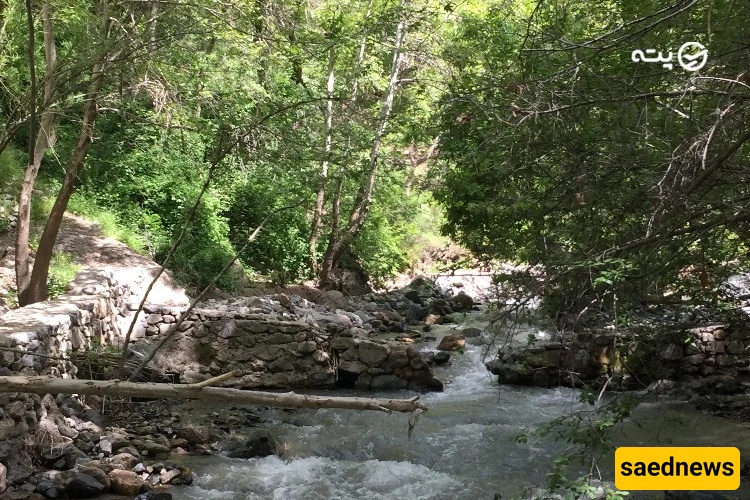
The mountains surrounding Siban Darreh offer a variety of hiking routes. Some routes mentioned in connection with the area include:
Siban Peak Route: A relatively challenging route suitable for experienced mountaineers
Siban Valley Route: An easier route suitable for families
Natural Springs Route: A combination of hiking and visiting local springs
The combination of natural landscapes, traditional architecture, and rural life creates numerous opportunities for photography and filming. Sunrise and sunset can be especially scenic in the area.
For camping enthusiasts, there are areas around the village where visitors can set up tents. Spending a night outdoors beneath the star-filled mountain sky can be a memorable experience.
Dress appropriately: Because of the mountainous climate, bringing warm clothing is advisable even during summer.
Wear suitable footwear: Hiking or sturdy walking shoes are essential for exploring the surrounding natural and mountainous terrain.
Bring water and food: Supplies in the village may be limited, so carrying sufficient drinking water and snacks is recommended.
Respect local culture: Visitors should observe local customs and dress appropriately when visiting religious sites.
Protect the environment: Take your waste with you and avoid damaging the natural surroundings.
Check road conditions: Before traveling, check road conditions and the weather forecast, particularly during winter.
In recent years, efforts have reportedly been made to promote sustainable tourism in Siban Darreh. These initiatives include:
Community education: Training local residents in tourism and hospitality
Infrastructure development: Improving roads and creating parking areas and public restrooms
Supporting handicrafts: Establishing local markets for regional products and handmade goods
Environmental protection: Educational programs focused on protecting nature and reducing pollution
If you enjoy Siban Darreh and want to explore similar destinations in Alborz Province, several other villages may be worth considering:
Veyneh: Located near Siban Darreh and known for its natural surroundings
Asara: Known for natural springs and scenic waterfalls
Kondor: Noted for traditional architecture and fruit orchards
Shahrestanak: Known for its historical background and mountainous scenery
Siban Darreh combines mountain landscapes, traditional village architecture, local customs, agricultural heritage, and opportunities for outdoor recreation. Its location along the Karaj–Chalus route makes it a potentially appealing stop for travelers seeking a quieter rural experience surrounded by the natural beauty of the Alborz Mountains.