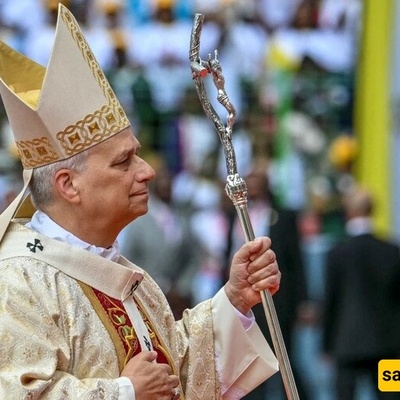
SAEDNEWS: Built during the Bronze Age, the Temple of the Goddess of Victory in Athens was destroyed once in 480 BC by the Achaemenids during the Greco-Persian Wars and was later rebuilt. The temple features beautiful columns and intricate decorative details.
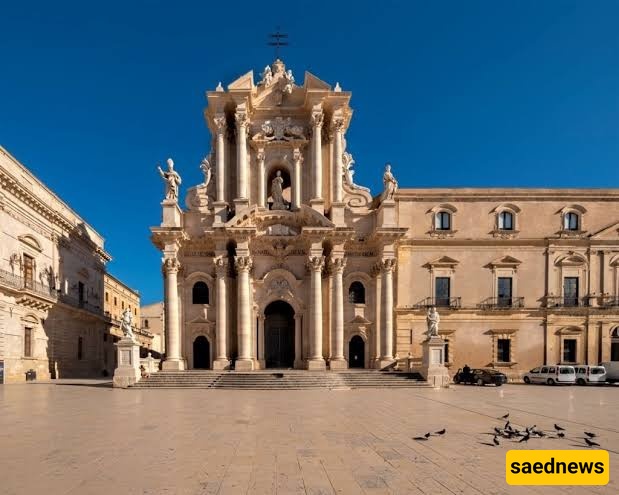
According to Saednews, The Temple of Athena Nike, also known as the Temple of the Goddess of Victory, is located on the southern side of the Acropolis plateau in Athens, Greece, just beyond the Propylaia. It is one of the most important sacred monuments associated with ancient Greek religious culture.
The Temple of Athena Nike is located in Athens, Greece. The original structure was destroyed by the Achaemenids in 480 BC during the Greco-Persian Wars and was later rebuilt. The temple features beautiful columns and decorative elements, some of which are now preserved in the Acropolis Museum.
Today, the Temple of Athena Nike is one of the most significant attractions in Athens. Visitors come to admire its architecture, sculptures, and artistic details.
The temple occupies a strategically important position on the southern edge of the Acropolis. Because of its elevated location, this part of the citadel was considered particularly vulnerable from a defensive perspective.
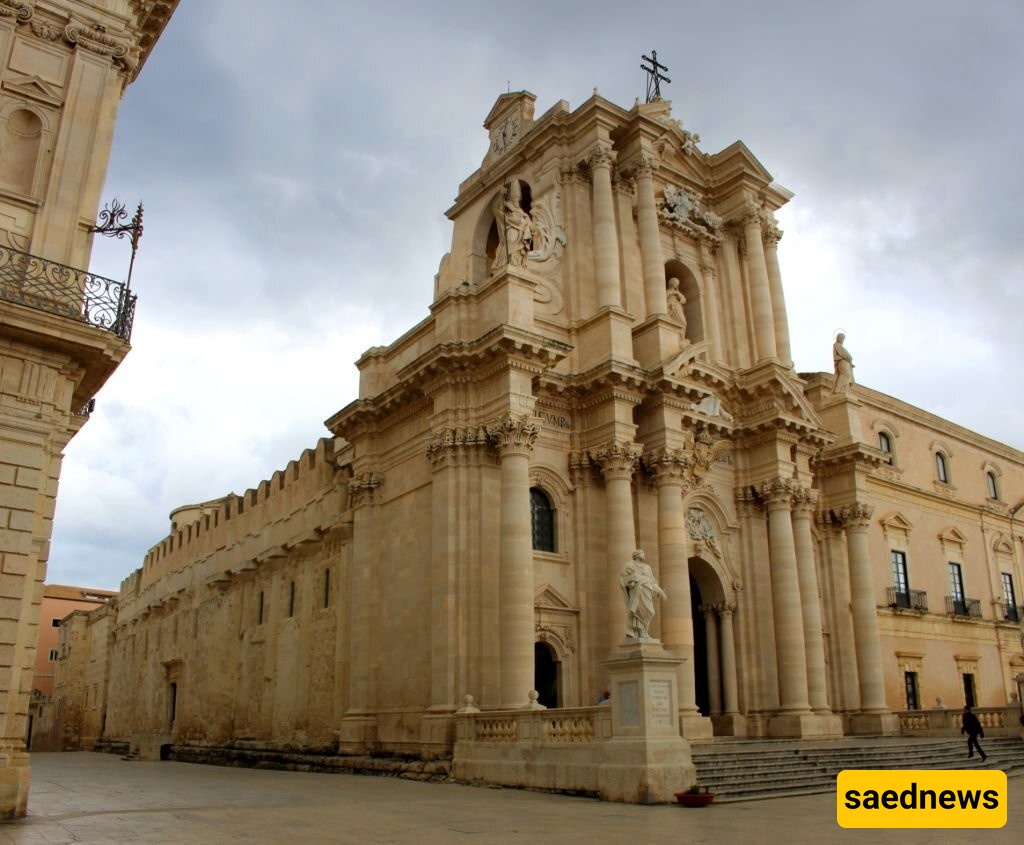
Archaeological excavations indicate that the area had been used for ritual activities as early as the Bronze Age. An open space existed there where religious ceremonies were held and representations of various gods and goddesses were worshipped.
During the Archaic period, a small temple was built on the site, with an altar located to its east. In 480 BC, this building, along with other structures on the Acropolis, was destroyed by the Achaemenids during the Greco-Persian Wars. The site remained largely in ruins for several decades.
The Classical temple that survives today was built around 420 BC. Historical accounts, including those attributed to Pausanias, provide information about the sanctuary and its statue of Athena Nike.
The statue of Nike was traditionally depicted as a winged goddess. However, the statue associated with this sanctuary was wingless, leading to the name Apteros Nike, meaning “Wingless Victory.”
According to an ancient tradition, the goddess was represented without wings so that she could never leave Athens. This symbolized the Athenians’ desire to keep victory permanently within their city.
The Temple of Athena Nike is considerably smaller than many of the other major temples on the Acropolis. It was designed in the Ionic architectural style and is particularly notable for its elegant proportions and refined decorative details.
The temple stands on a high platform along the southern edge of the Acropolis. Its eastern entrance features a row of four monolithic columns. The structure includes a small pronaos and a chamber that housed the sacred image.
The western side also contains architectural elements and columns, while a wall closes the rear portion of the structure. The temple's position near the entrance to the Acropolis made it an important visual and religious landmark for visitors approaching the Propylaia.

Historical evidence attributes the design of the temple to Kallikrates. The building is relatively low, measuring approximately 3.35 meters in height from the floor to the upper structure.
Following Attic architectural traditions, the temple featured continuous decorative friezes and ornamental bands. The proportions of its columns were also carefully designed, giving the small structure a distinctive and harmonious appearance.
The walls surrounding the sanctuary provided a protective boundary while also serving as a setting for artistic decoration. Sculptures and reliefs were positioned where visitors approaching the Propylaia could see them.
A new phase of restoration and archaeological study began in 1998. The decorative friezes were carefully removed from the monument and transferred to the Acropolis Museum for preservation.
The restoration process also involved removing materials and interventions from earlier restoration campaigns, including iron rods and other elements that had affected parts of the temple and its floor.
Visitors to the Acropolis should therefore make time to see the Temple of Athena Nike itself and also visit the Acropolis Museum, where important sculptures and decorative elements from the sanctuary are preserved.
The Parthenon
The Parthenon is an ancient temple located on the Acropolis of Athens. Built approximately 2,500 years ago under the leadership of Pericles, it is one of the most famous monuments of ancient Greece.
The temple stands at one of the highest points of the Acropolis. The word Parthenon is associated with the concept of a maiden or virgin, and Athena was also known as Athena Parthenos.
Construction of the present Parthenon began in 447 BC and was completed in 432 BC. The sculptural decoration was overseen by Phidias, one of the most celebrated artists of classical Greece.
The Parthenon replaced an earlier temple that had been destroyed during the Persian invasion. Construction of the new temple began in 447 BC and continued until 432 BC.
The sanctuary was dedicated to Athena, the patron goddess of Athens and a deity associated with wisdom, strategy, and warfare.
After standing for nearly 2,000 years, the Parthenon suffered severe damage during a conflict when a cannonball struck the building. The explosion caused major destruction to parts of the roof and seriously damaged several columns.
Later, during the 19th century, a significant collection of marble sculptures and architectural fragments from the Acropolis was transported to the British Museum in London without the approval of the modern Greek state. These sculptures subsequently faced deterioration and pollution-related damage.

The Parthenon was an ancient sanctuary dedicated to Athena. Athenians regarded Athena as the goddess of wisdom and a powerful figure associated with warfare and protection.
Constructed in the 5th century BC, the temple became one of the greatest surviving monuments of ancient Greece. It is widely regarded as a high point in the development of Doric architecture, while also incorporating important Ionic elements.
The sculptures and reliefs that decorated the building are among the most significant achievements of ancient Greek art. The Parthenon has also become a powerful symbol of ancient Greece and the development of Athenian democracy.
Architects Ictinus and Callicrates played major roles in the design of the Parthenon. The building is a peripteral temple surrounded by columns.
Its exterior features eight columns across the short sides and seventeen columns along each long side. Its sophisticated proportions, sculptural decoration, and architectural refinements have made it one of the most influential buildings in the history of Western architecture.
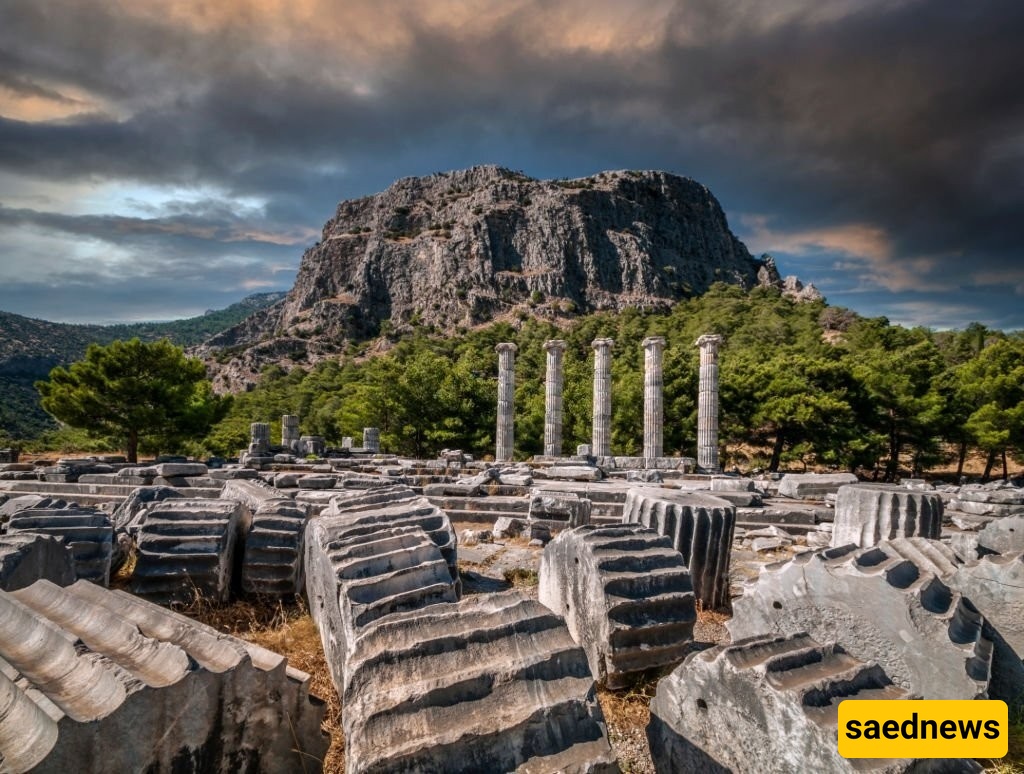
The Temple of Athena Nike is one of the most recognizable monuments on the Acropolis. Unlike the predominantly Doric Parthenon, it was constructed in the Ionic style, emphasizing elegant proportions and intricate decorative work.
Nike was the ancient Greek goddess of victory. The name Nike itself means “victory” in Greek. Athena Nike therefore represented Athena in her aspect as a goddess of victory and protection.
Today, both the Temple of Athena Nike and the Parthenon are among the most important historical attractions in Athens. Together with the other monuments of the Acropolis and the collections of the Acropolis Museum, they provide an exceptional view of ancient Greek religion, art, architecture, and history.