SAEDNEWS: The Øresund Bridge is Europe’s longest combined road and railway bridge, linking two major cities: Copenhagen, the capital of Denmark, and Malmö in Sweden. This vital road and rail connection links the Scandinavian Peninsula with the transportation networks of Central and Western Europe.

According to Saednews, The Øresund Bridge connects Sweden and Denmark and is widely recognized as one of Europe’s longest combined road and railway bridges. Join us as we explore this remarkable structure and discover some fascinating images and facts about this unique connection between the two countries.
The Øresund Bridge is a dual-purpose road and railway crossing that spans the Øresund Strait, creating a direct land connection between Sweden and Denmark. The route links Copenhagen, the capital of Denmark, with Malmö in southern Sweden.
The project was designed by Danish architect Georg K. S. Rotne and officially opened on July 1, 2000. The complete crossing is approximately 16.4 kilometers long and consists of a bridge, an artificial island, and an underwater tunnel. Around 7.7 kilometers of the route is formed by the bridge itself, while the remaining sections include the tunnel and the artificial island of Peberholm.
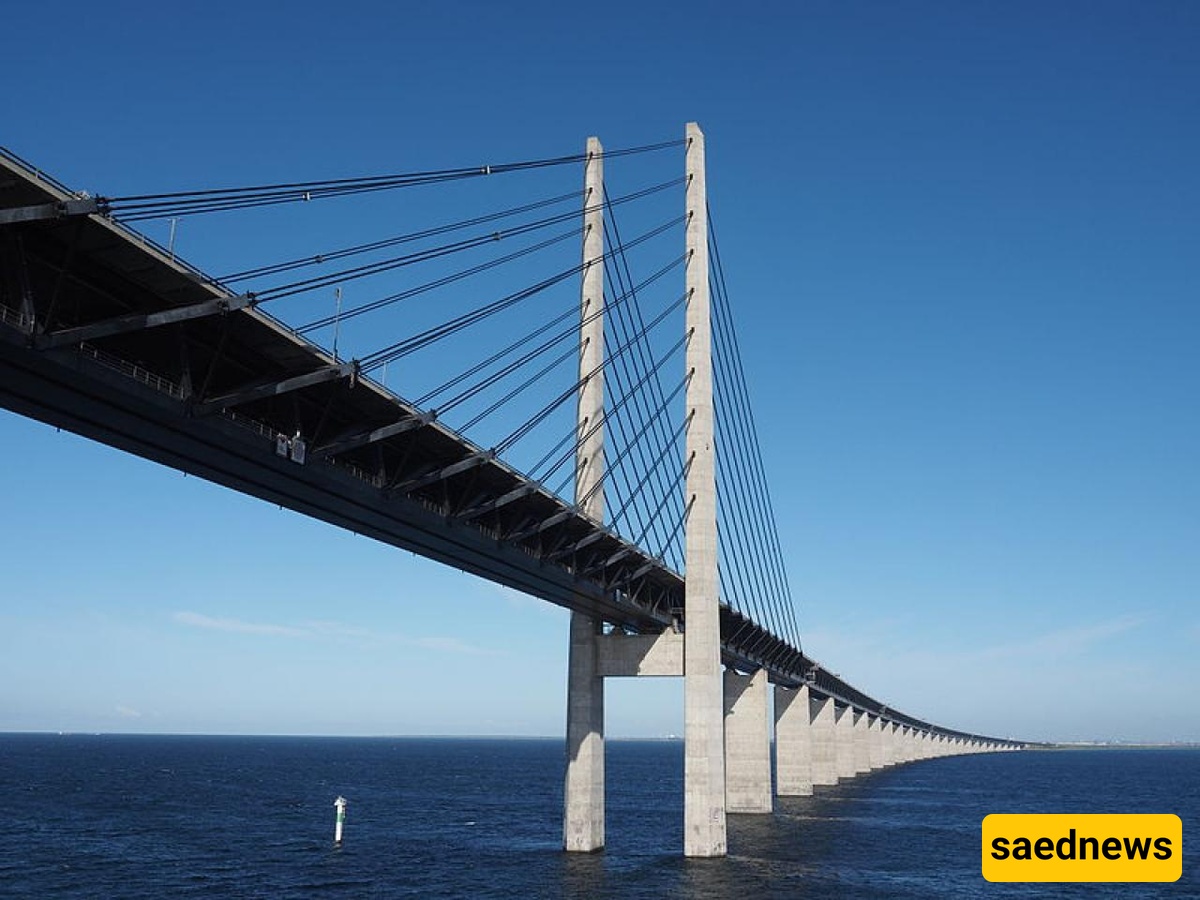
The Øresund crossing is particularly fascinating because it does not consist entirely of a conventional bridge. Part of the route stretches across the sea, while another section passes beneath the water through a tunnel.
The bridge carries a motorway on its upper level and a double-track railway below. This innovative design allows cars, buses, and high-speed trains to travel between the two countries efficiently.
The underwater tunnel was constructed partly because of the proximity of Copenhagen Airport. Instead of continuing the bridge toward Denmark, the route descends beneath the water before reaching the Danish coast.

One of the most remarkable features of the Øresund connection is Peberholm, an artificial island located in the middle of the strait. It was created using materials dredged from the seabed during construction.
Today, Peberholm has developed into an unusual natural habitat. More than 500 species of plants have been identified on the island, making it an interesting example of how a major infrastructure project can create new ecological environments.
The construction of the Øresund crossing was carefully planned to minimize its impact on the surrounding marine environment. The project also helped reduce reliance on the traditional ferry route between Sweden and Denmark.
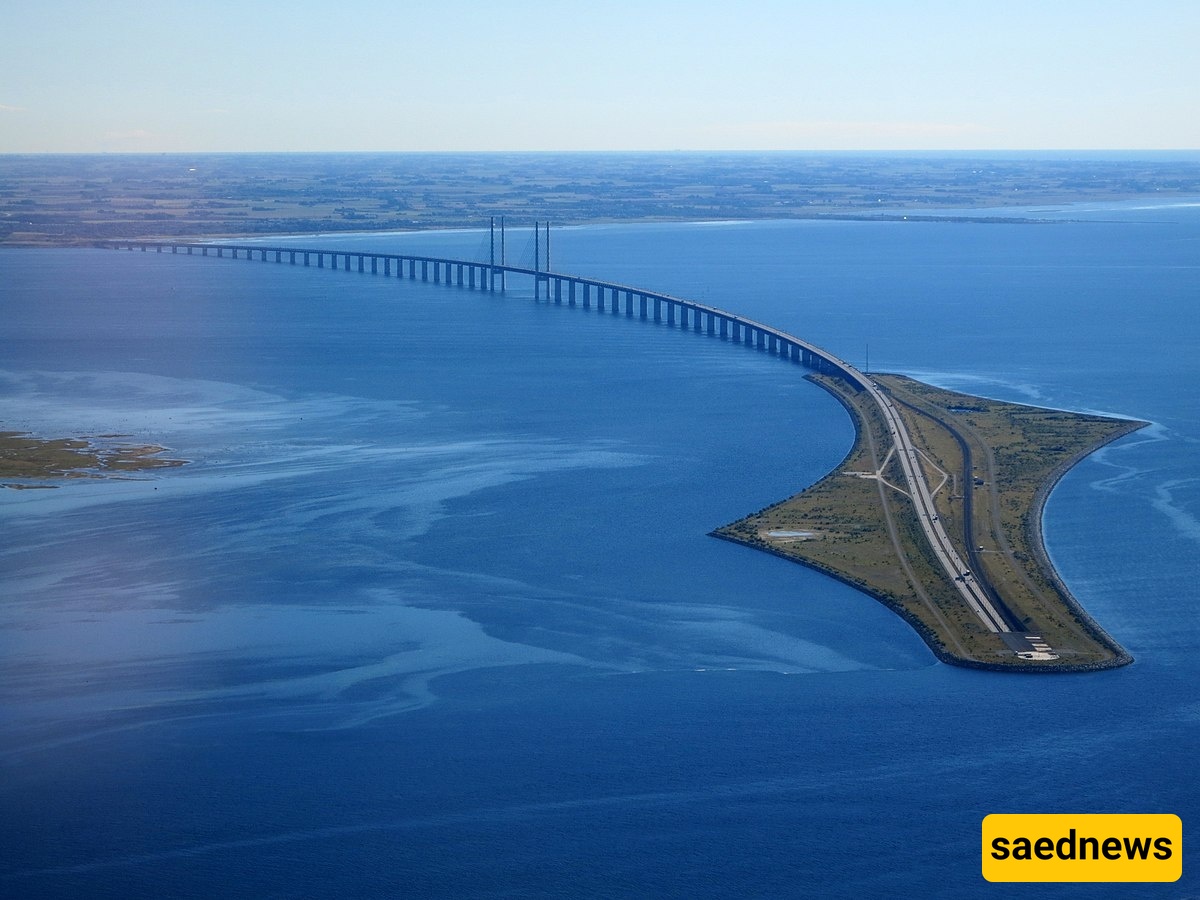
Before the Øresund crossing was completed, travelers between the two countries often relied on ferries to cross the strait. Although effective, ferry travel could take considerably longer than the modern road and rail connection.
Today, the Øresund crossing has strengthened economic and social links between the two sides of the strait. It has made commuting, tourism, trade, and regional transportation between Copenhagen and Malmö significantly easier.
The Øresund Bridge is therefore much more than an impressive piece of architecture. It represents an important connection between two neighboring countries and demonstrates how engineering can overcome geographical barriers.
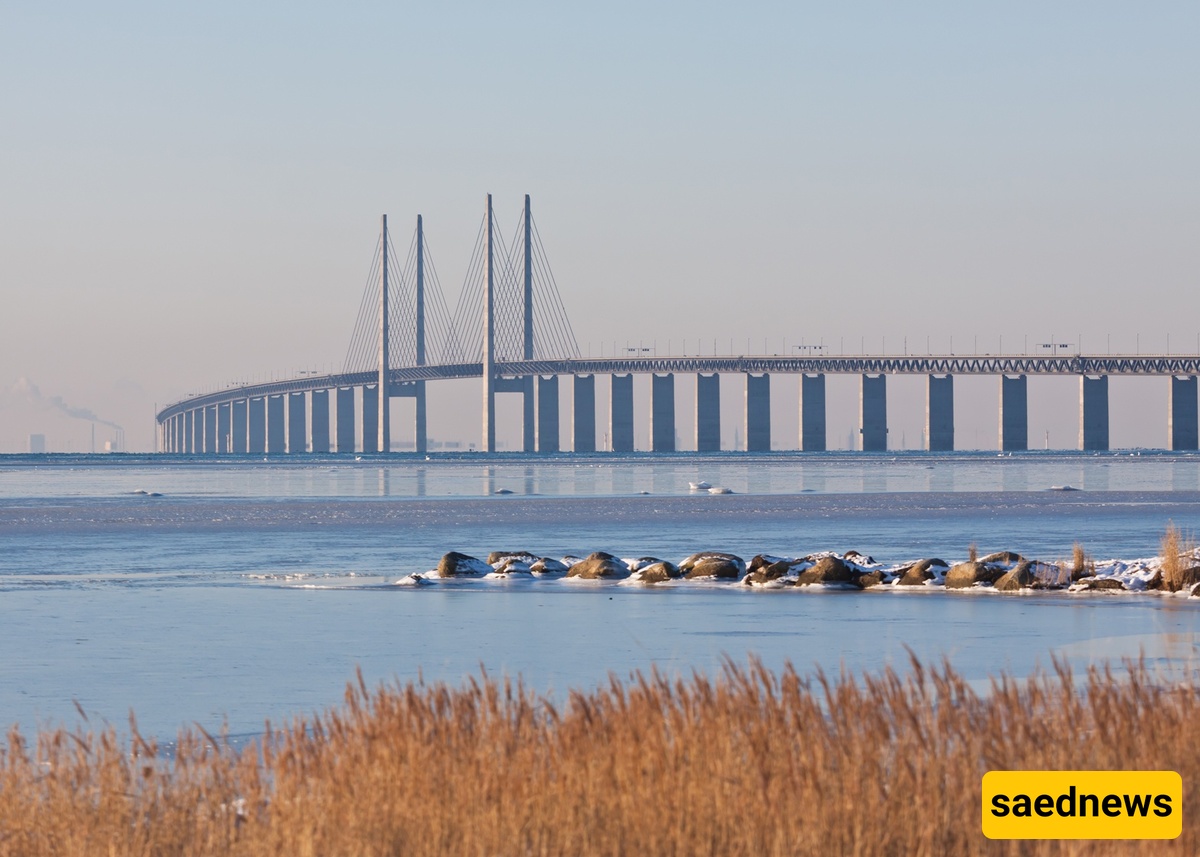
The Øresund crossing combines a spectacular bridge, an artificial island, and an underwater tunnel into a single transportation route. Its unusual design, impressive scale, and integration with the surrounding landscape have made it one of the most recognizable infrastructure projects in Northern Europe.
For visitors traveling through Sweden or Denmark, the Øresund Bridge offers an unforgettable view of modern engineering surrounded by the natural beauty of the Øresund Strait.