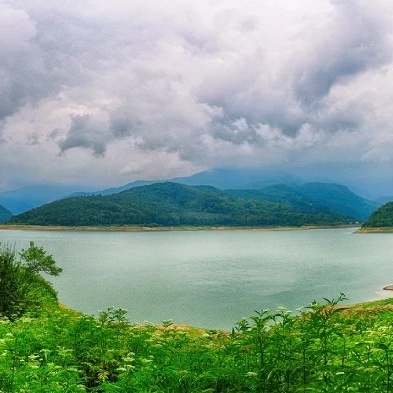
SAEDNEWS: The Moselle Valley, with its terraced vineyards, medieval half-timbered villages, and towering castles overlooking the Moselle River, is considered one of Germany’s most beautiful tourist destinations. In this article, we’ll introduce you to this picturesque valley and explore what makes it so captivating.
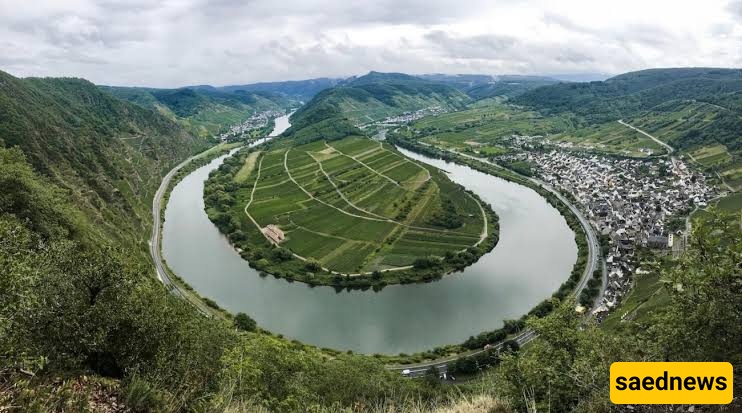
According to Saednews, The Moselle Valley, also known as the Mosel Valley, is one of southwestern Germany’s most beautiful tourist destinations. Located near the borders of northeastern France and eastern Luxembourg, the valley follows the winding Moselle River and is surrounded by lush vineyards, green hills, picturesque villages, medieval architecture, and historic castles.
The Moselle River flows through France, Luxembourg, and Germany before eventually joining the Rhine River. The charming cobblestone streets, vineyard-covered hillsides, traditional courtyards, and historic villages give the Moselle Valley a distinctive atmosphere and exceptional natural beauty.
The Moselle is one of the Rhine’s major tributaries and an important waterway for boating and shipping in Germany. The region enjoys one of the country’s mildest climates, with plenty of sunshine even during autumn and relatively few freezing days in winter. The average annual temperature is around 10°C, creating ideal conditions for growing grapes.
For centuries, the fertile slopes of the Moselle Valley have been home to vineyards producing some of Germany’s most well-known wines. The combination of fertile soil, gentle slopes, and a favorable climate makes the region particularly suitable for viticulture.
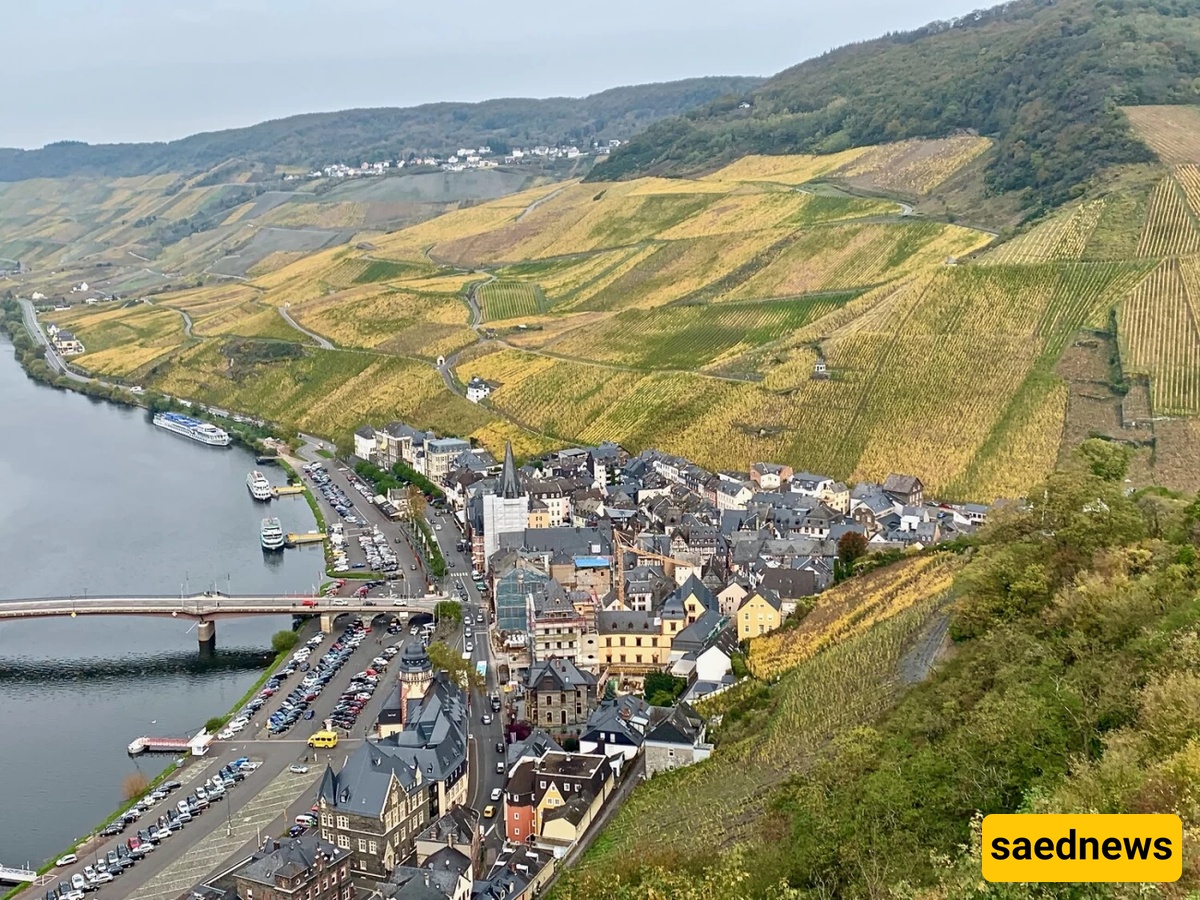
The Moselle Valley begins in the French Vosges Mountains, passes through the historic city of Trier, and continues into Germany.
Trier is one of Germany’s most impressive Roman cities. Its most famous landmark is the Porta Nigra, or “Black Gate,” an ancient Roman city gate and one of the best-preserved Roman structures in the country.
The Moselle continues through picturesque vineyard landscapes between Trier and Koblenz. Koblenz lies at the confluence of the Moselle and Rhine rivers, near the imposing Ehrenbreitstein Fortress. The southern approach to Koblenz is therefore considered one of the most scenic parts of the Moselle region.
With its dramatic rows of terraced vineyards, medieval half-timbered villages, and fairytale castles perched on hillsides, the Moselle Valley offers some of Germany’s most captivating scenery.
The Moselle River flows for approximately 195 kilometers between Trier and Koblenz, making the region an excellent destination for travelers looking to escape the pace and stress of city life.
Late summer and early autumn are among the best times to visit. During this period, vineyards become especially lively as grape harvesting begins. Local festivals, street parades, live music, regional food, and wine celebrations add an extra layer of charm to the villages and towns along the river.
The Moselle region is home to a variety of historic landmarks and unusual fortifications. One notable structure is the Mouse Tower, or Mäuseturm, a historic tower associated with the Rhine-Moselle region.
Another highlight is the picturesque town of Bernkastel-Kues, famous for its charming old town, traditional architecture, surrounding vineyards, and the impressive Landshut Castle overlooking the valley.
The combination of historic buildings, vineyard-covered hills, and riverside scenery makes Bernkastel-Kues one of the most attractive destinations in the Moselle Valley.
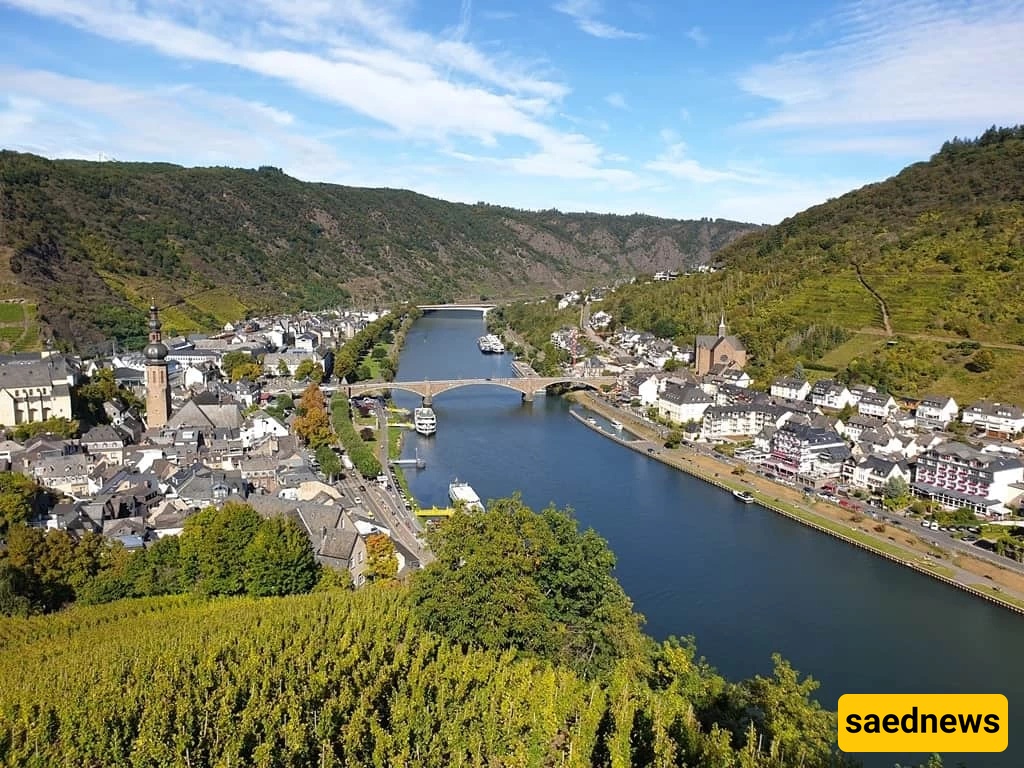
One of the best ways to experience the region is by taking a boat trip or joining a river cruise along the Moselle. These cruises provide beautiful views of vineyard-covered slopes, medieval villages, castles, and small riverside towns.
Visitors can also explore the region by car, bicycle, or on foot. Wine tasting, hiking through the vineyards, visiting historic villages, exploring castles, and attending local festivals are among the most popular activities.
The surrounding wine villages are particularly appealing to travelers interested in German wine culture and traditional countryside life.
Trier is one of the most historically significant cities in the Moselle region. The city contains numerous monuments dating back to the Roman period, including the Porta Nigra, the Roman Baths, and the large ancient amphitheater.
The Roman Bridge over the Moselle is another important landmark. Considered one of Germany’s oldest bridges, its origins date back to Roman times and reflect the city’s long history as an important settlement.
The Porta Nigra was constructed during the Roman era around the 2nd century AD and remains Trier’s most recognizable landmark. Other attractions include the Barbara Baths and the Roman Amphitheater.
Trier is also famous as the birthplace of Karl Marx, the renowned philosopher, economist, and social theorist.
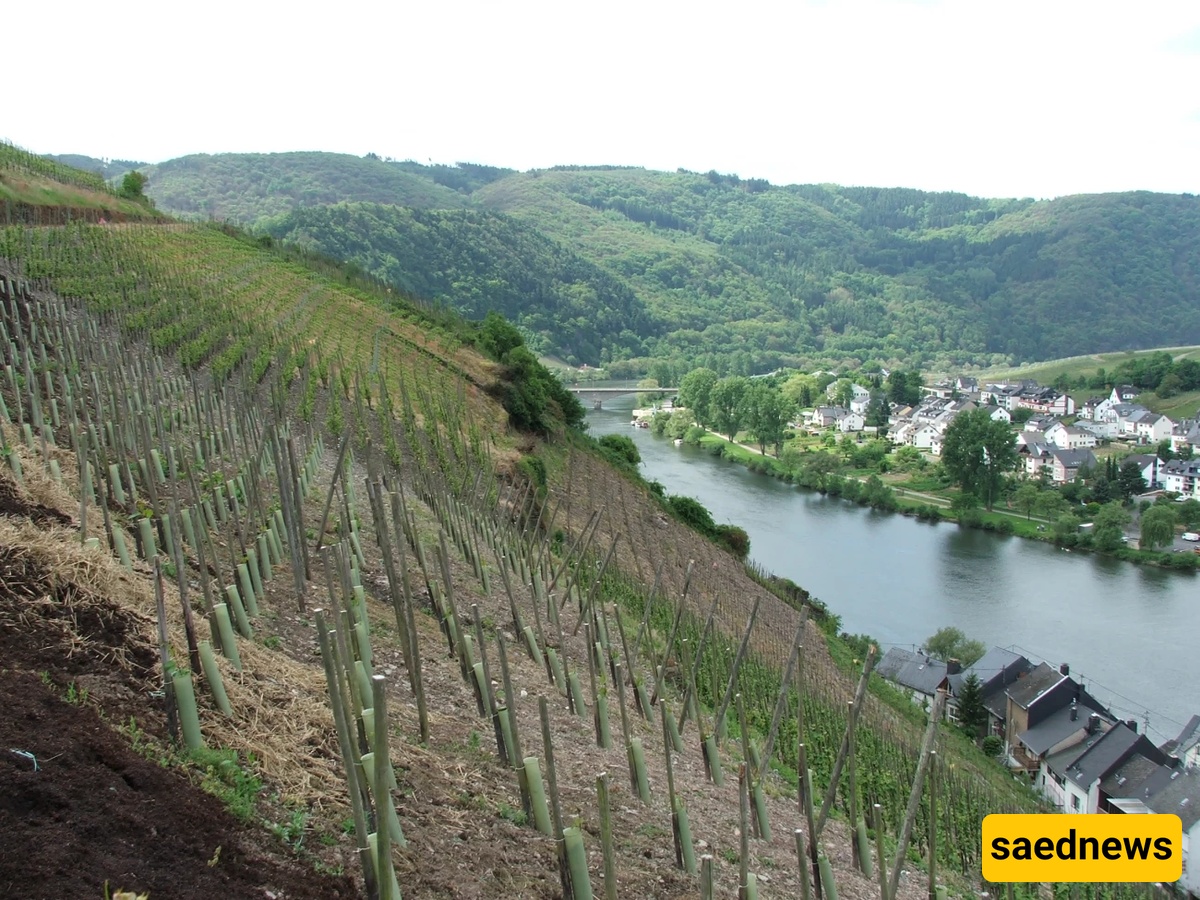
The Moselle Valley combines natural scenery, wine culture, historic towns, Roman heritage, castles, and river cruises in one destination. Whether you are interested in hiking through vineyards, exploring medieval villages, discovering Roman history, tasting local wines, or simply enjoying peaceful riverside landscapes, the Moselle Valley offers a memorable experience in western Germany.