SAEDNEWS: Erebuni Fortress is one of the beautiful and ancient structures in Yerevan, Armenia, featuring several distinct sections. The site is home to a fascinating collection of Achaemenid artifacts and ancient wall paintings, adding to its historical and cultural appeal.
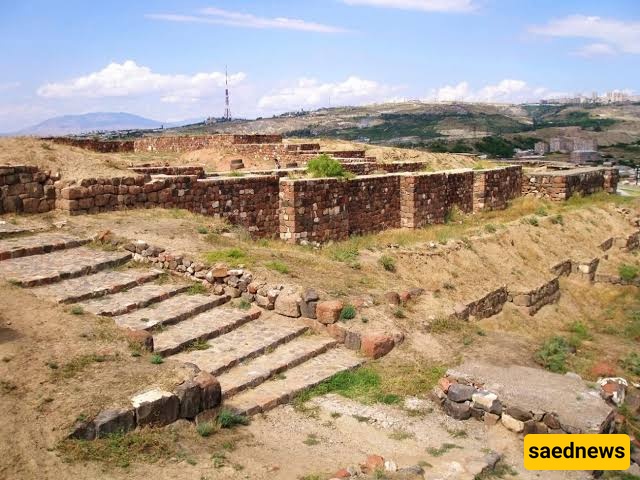
According to Saednews, Armenia is a beautiful tourist destination known for its rich collection of historic monuments. One of the country’s most fascinating attractions is Erebuni Fortress, an ancient stronghold with a history dating back thousands of years. Built with basalt, mud brick, and wood, the fortress was designed to withstand attacks and protect its inhabitants from foreign invaders.
Erebuni Fortress has long attracted the attention of archaeologists and history enthusiasts. It is located in the historic city of Yerevan, and inscriptions discovered at the site indicate that the fortress was founded in 782 BC. Today, it is regarded as one of the most important historical attractions in Yerevan.
According to historical evidence, the fortress was established on the hills of Yerevan approximately 3,000 years ago, during the period when the Urartian Empire was centered around the Lake Van region. Erebuni was an important fortified settlement consisting of several sections, including religious, industrial, and economic areas.
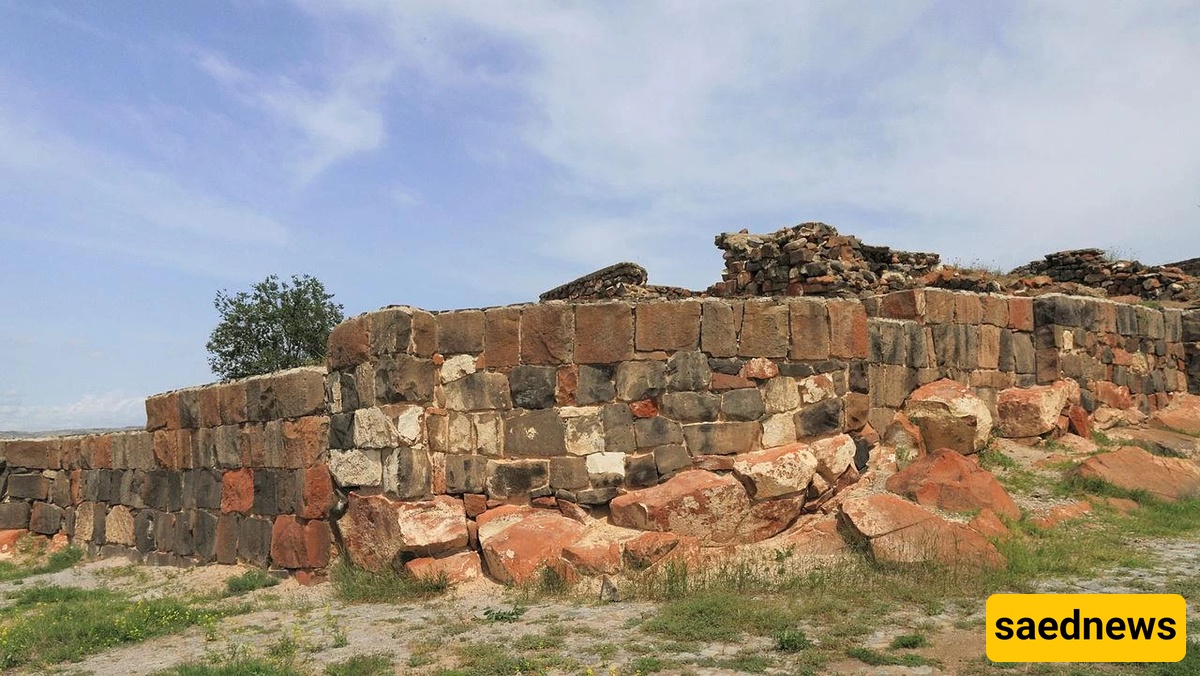
The fortress walls were approximately 10 to 12 meters high, demonstrating the considerable defensive strength of the complex. Archaeological research suggests that the site played an important administrative and military role and included a palace complex.
The surrounding region was also home to other fortifications, some of which were used for storing tribute and taxes. In 585 BC, several of these fortresses were captured by the Cimmerians and Scythians. Erebuni’s strategic location contributed greatly to its military importance, while its cultural and historical significance has made it an important archaeological site.
Erebuni Fortress contains several distinct areas. The religious section is particularly impressive, featuring ancient paintings and decorative motifs that provide insight into the artistic traditions of the Urartian period.
Visitors can also see beautifully decorated walls and the remains of temples that were used for religious ceremonies. The complex contains a variety of ancient reliefs and artifacts associated with the Urartian civilization.
On the western side of the fortress stands the Susi Temple, which was dedicated to the worship of the deity Ivarsha. These remains offer visitors an opportunity to learn more about the religious beliefs and architectural traditions of ancient Armenia.
Today, Erebuni Fortress is one of Armenia’s most visited historical attractions. The site was reconstructed and restored in 1968, after which it was opened to the public and developed into an archaeological museum.
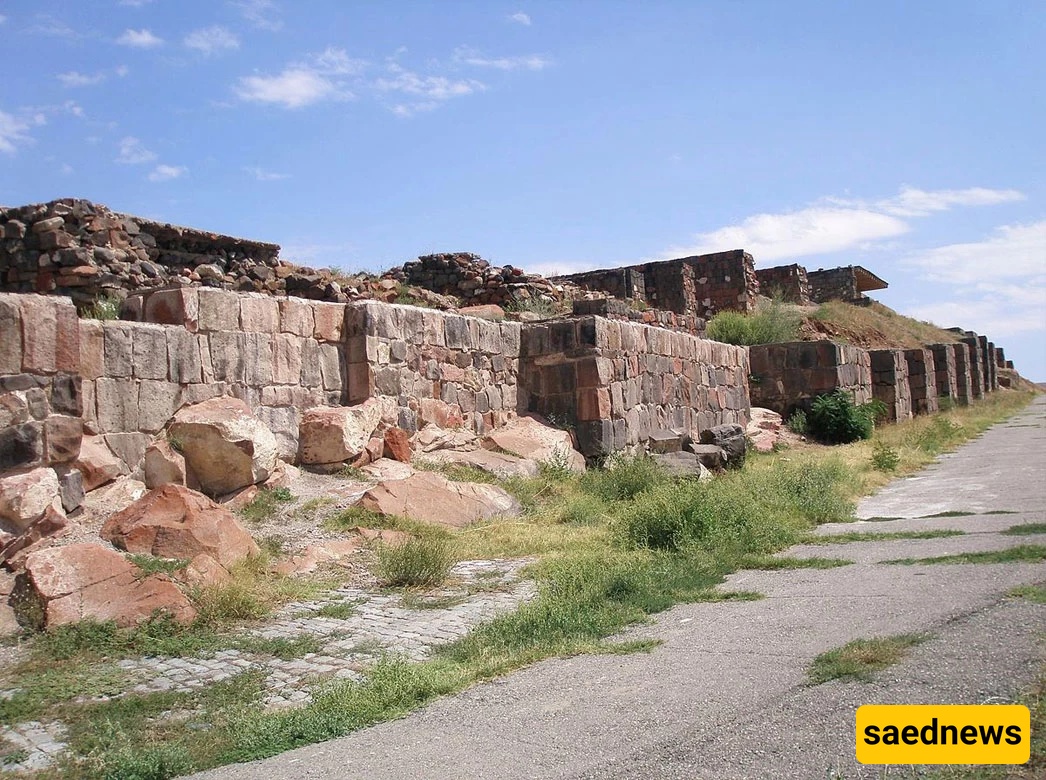
Over the years, Erebuni Fortress has been an important center for archaeological excavations. The museum houses numerous ancient objects discovered at the site and in the surrounding area. These artifacts are displayed in the Arin Berd museum building, allowing visitors to explore the archaeological heritage of the region.
The collection also includes Achaemenid artifacts and a remarkable series of 14 religious-themed wall paintings. Together, these discoveries provide valuable information about the history, culture, religion, and daily life of the civilizations that once occupied this ancient fortress.
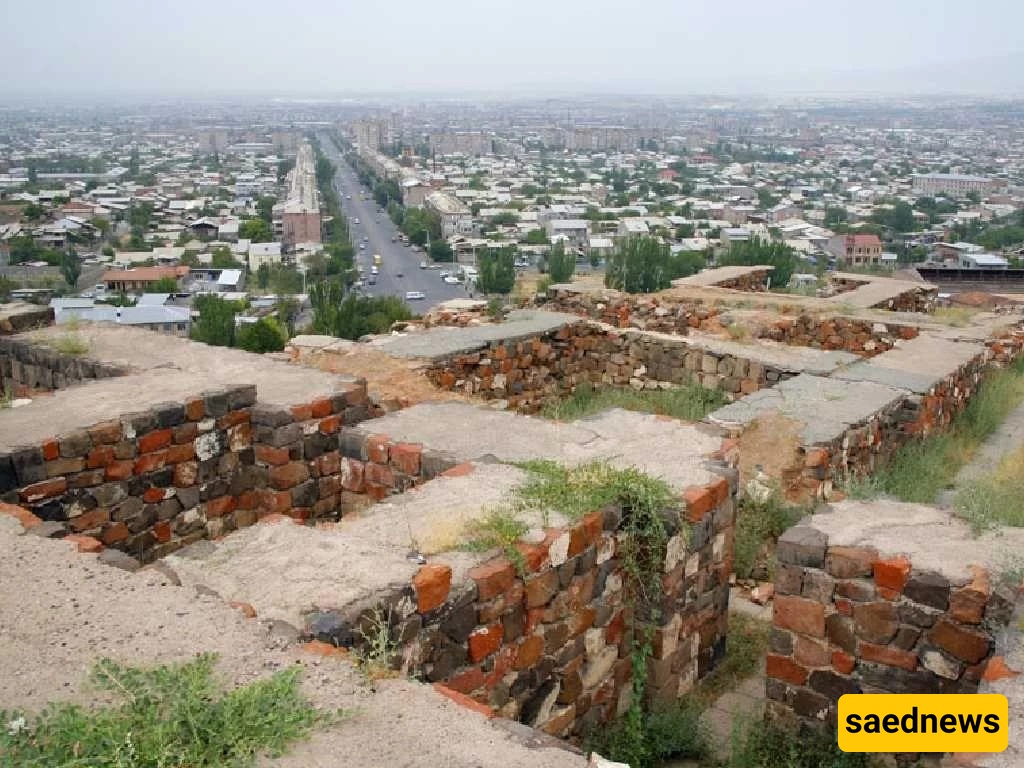
Erebuni Fortress is more than an archaeological monument—it is a window into the distant past and an important part of Yerevan’s cultural identity. Its ancient walls, temples, paintings, and artifacts make it a memorable destination for anyone interested in Armenia’s history.