SAEDNEWS: The Sergei Parajanov Museum reopened in 1988, following the first exhibition of artworks at the Museum of Folk Art of Armenia. Join us as we explore this fascinating museum and discover its unique artistic heritage.
According to Saednews, Yerevan, the capital of Armenia and one of the most beloved cities among Armenians around the world, is a beautiful and fascinating destination located along the Hrazdan River and near the legendary Mount Ararat. As Armenia’s administrative, cultural, and industrial center, the city is home to numerous historical and artistic attractions.
Among Yerevan’s most distinctive cultural landmarks is the Sergei Parajanov Museum, a unique institution dedicated to one of the most imaginative figures in Armenian and world cinema. Unlike conventional museums, it offers visitors an intimate look into a world of creativity, symbolism, humor, and unconventional artistic expression.
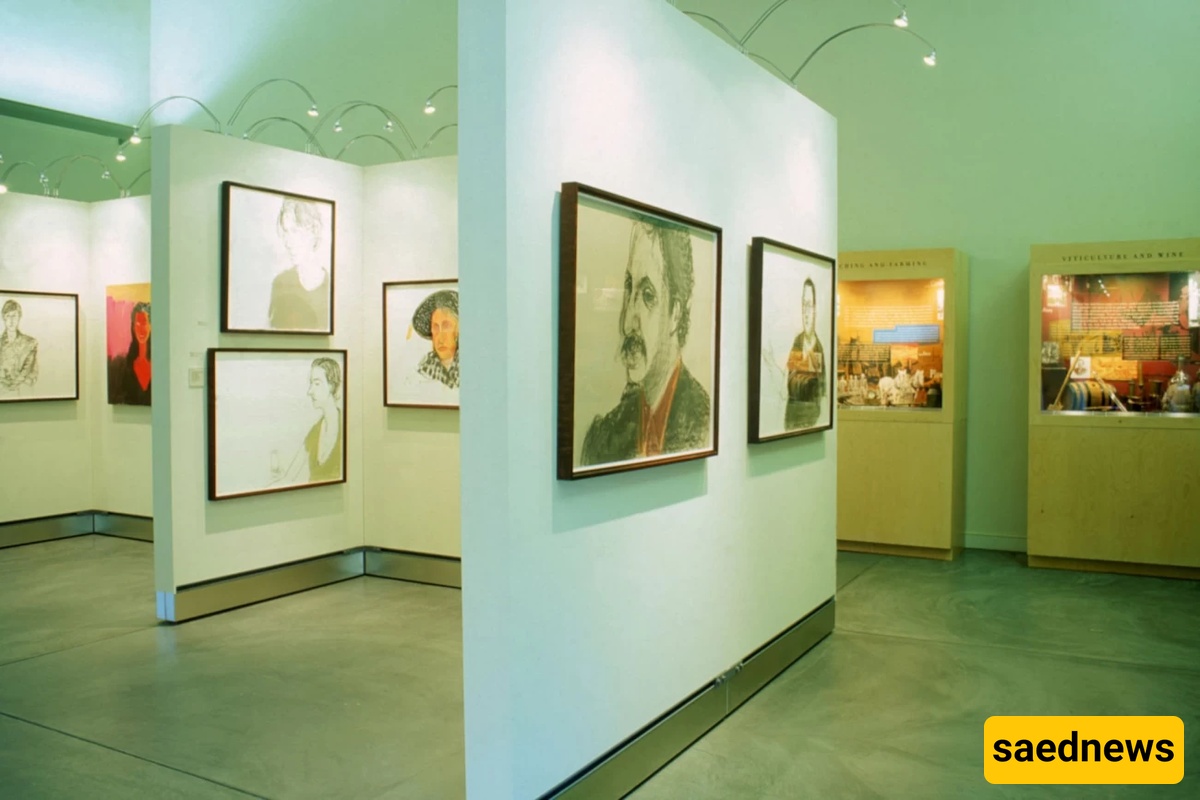
The Sergei Parajanov Museum is filled with collages, drawings, photographs, assemblages, personal objects, and other works created by the experimental filmmaker. Parajanov gained international recognition largely through his celebrated film The Color of Pomegranates (Sayat-Nova), which became a landmark of poetic and artistic cinema.
Housed in a charming 19th-century wooden building, the museum preserves an extraordinary collection that reflects Parajanov’s distinctive talent, humanity, and remarkable sense of humor. It also provides insight into the challenges faced by artists, filmmakers, and writers during the Soviet era.
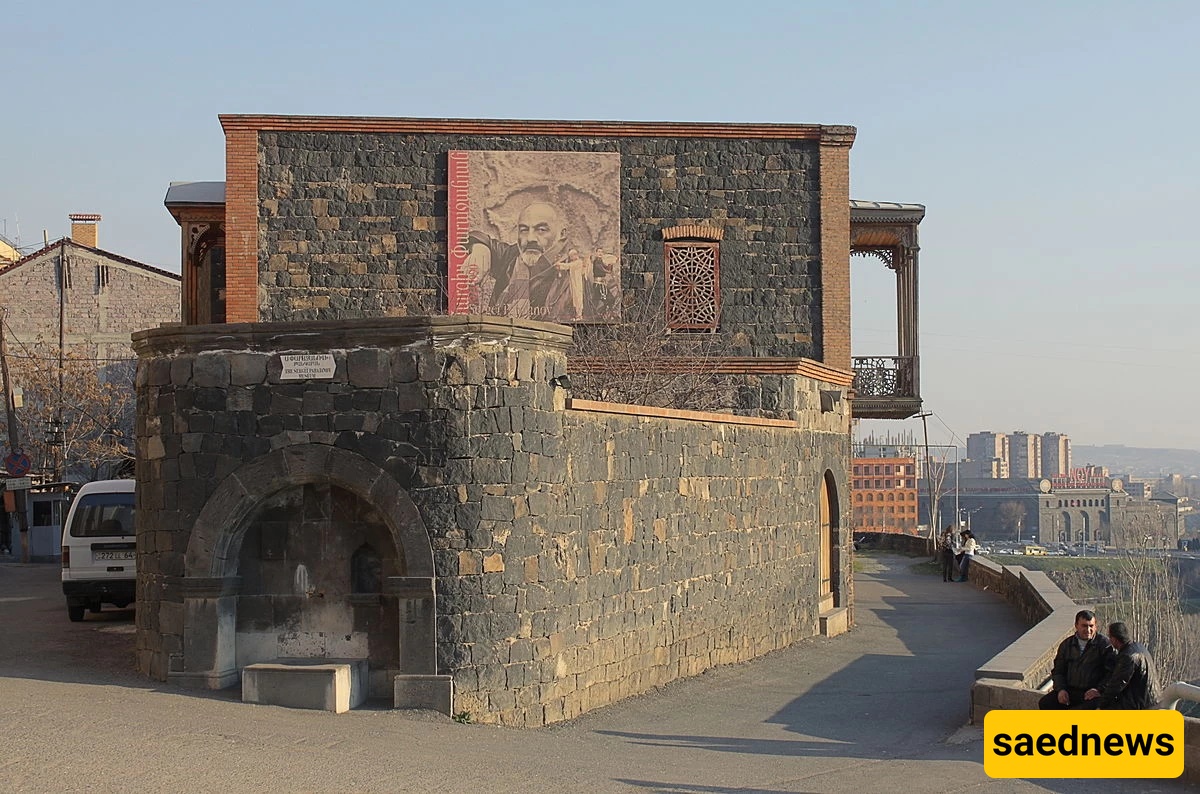
The museum was established in Yerevan in 1988 with support from the government of the Armenian Republic. The original plan included two buildings: one intended to house the museum and another designed as Parajanov’s residence.
Construction was delayed following the devastating earthquake that struck Armenia in 1988. The museum eventually opened in 1991, one year after Parajanov’s death. As a result, the filmmaker never had the opportunity to live in the house that had been intended to become his home and museum.
Sergei Parajanov was a renowned Armenian-Georgian filmmaker, director, and artist whose innovative approach transformed the language of cinema. His distinctive films earned him international recognition and numerous awards.
Among his best-known works are Shadows of Forgotten Ancestors, The Color of Pomegranates (Sayat-Nova), The Legend of Suram Fortress, and Ashik Kerib. His films are widely regarded as outstanding examples of poetic cinema, combining visual symbolism, traditional culture, theatrical composition, and unconventional storytelling.
Parajanov drew inspiration from Armenian, Eastern, and European artistic traditions. His work extended beyond filmmaking into the visual arts, where he created imaginative objects and compositions using everyday materials and found objects.
The museum houses more than 600 works and personal objects associated with Parajanov. A significant portion of the collection was exhibited at the Museum of Folk Art of Armenia between 1988 and 1989.
Parajanov was born in Tbilisi, Georgia, and many personal belongings connected with his childhood home were transferred to Armenia according to his wishes. Today, visitors can see an eclectic collection that includes assemblages, three-dimensional works, collages, drawings, dolls, household objects, photographs, and personal possessions.
These pieces reveal Parajanov’s unconventional way of seeing the world. His ability to transform ordinary objects into imaginative works of art demonstrates his independence from conventional artistic norms and his extraordinary creative vision.
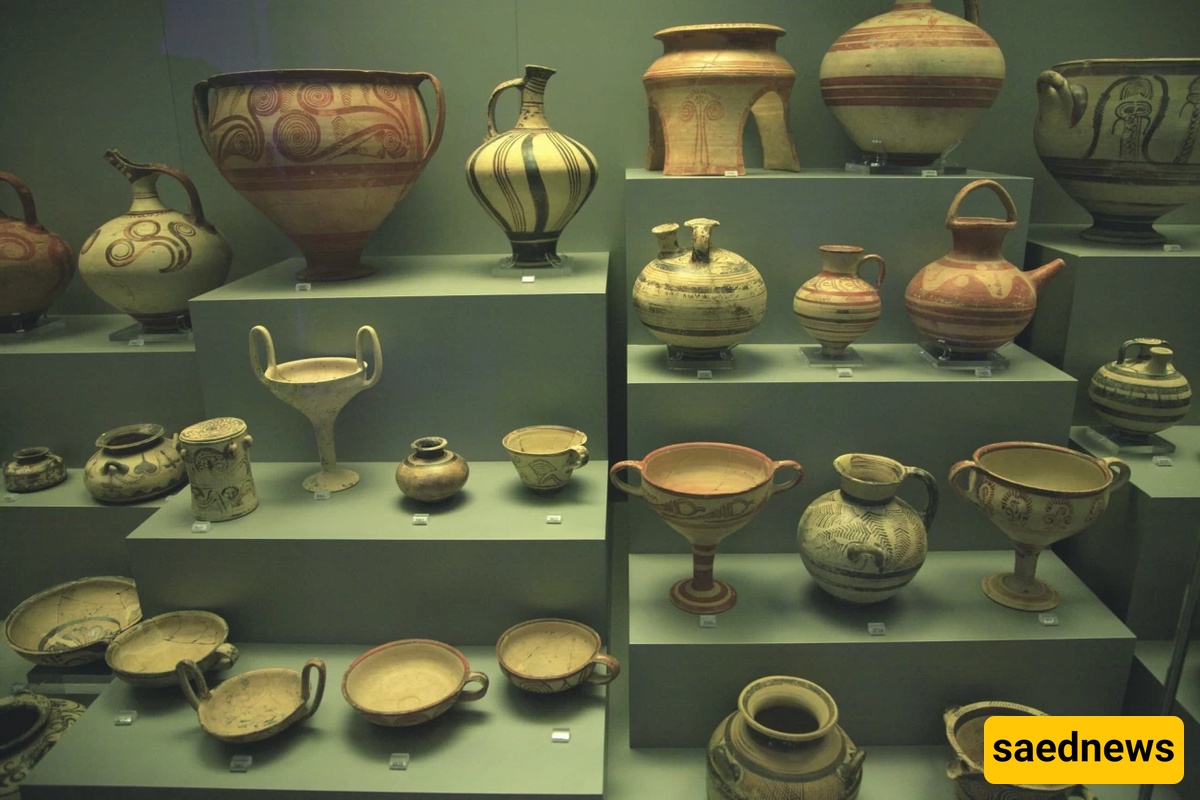
The museum preserves works created during Parajanov’s filmmaking career as well as pieces produced during the years he spent in prison. Together, they offer a fascinating portrait of an artist whose creativity continued despite political restrictions and personal hardship.
A visit to the Sergei Parajanov Museum is therefore more than a conventional museum experience. It is an opportunity to explore the imagination of an artist who challenged artistic conventions and left a lasting mark on world cinema and visual art.
Today, the museum remains one of Yerevan’s most memorable cultural attractions, offering visitors a rare glimpse into the life, personality, and extraordinary artistic universe of Sergei Parajanov.