SAEDNEWS: Vardzia is a remarkable cave city in southern Georgia. It consists of numerous cave-like dwellings and a monastery, built into the slopes of Mount Erusheti on the left bank of the Mtkvari River, approximately 30 kilometers from Aspindza.
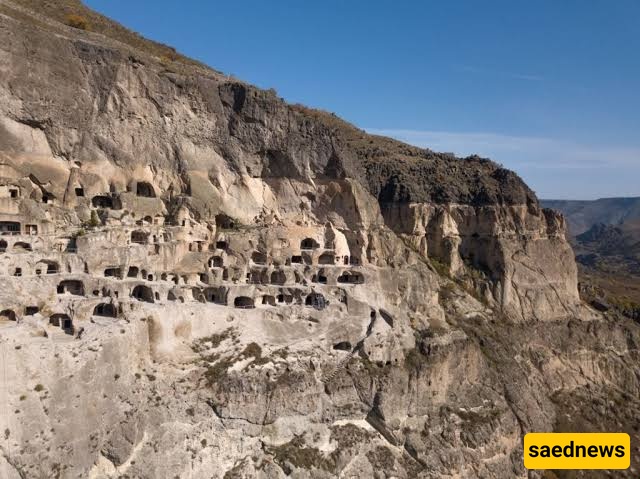
According to Saednews, Georgia is a fascinating country situated at the crossroads of Europe and Asia. With its ancient history, dramatic landscapes, and distinctive rocky terrain, the country is home to numerous attractions carved naturally or by human hands into the mountains. One of the most remarkable examples is Vardzia, an extraordinary cave city in southern Georgia. Dating back several centuries, Vardzia was once a sophisticated and well-equipped settlement carved directly into the mountainside.
Vardzia, written in Georgian as ვარძია, is best described as a vast rock-cut monastery complex rather than a conventional city. It consists of numerous cave dwellings and religious spaces built into the slopes of Mount Erusheti, on the left bank of the Mtkvari River. The site is located approximately 30 kilometers from Aspindza.
Historical sources indicate that Vardzia was developed during the second half of the 12th century. The caves were carved into a steep cliff face and originally extended for hundreds of meters, reaching as many as 19 levels.
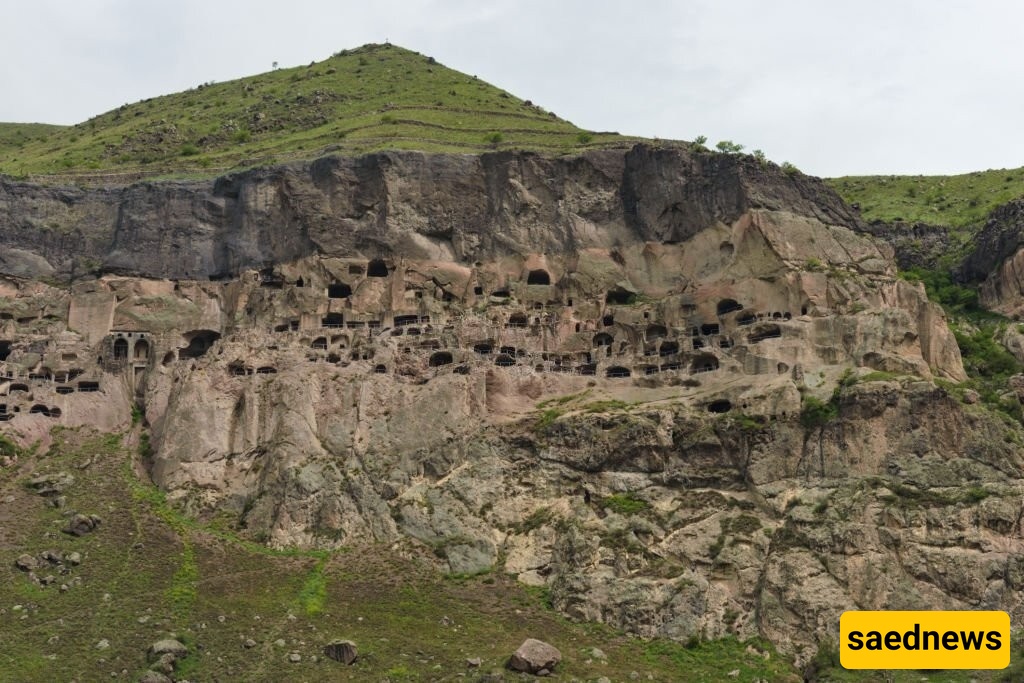
The main monastery complex dates largely to around 1180 AD, during Georgia's celebrated Golden Age under Queen Tamar. The monastery contains important religious paintings and murals decorating its walls.
Following the Ottoman expansion into the region during the 16th century, Vardzia gradually became abandoned. Today, it is recognized as an important part of Georgia's national cultural heritage.
According to historical traditions, Queen Tamar ordered the construction and expansion of the monastery in honor of the Virgin Mary after military victories. She is also said to have celebrated her victories with grand ceremonies at the monastery.
Queen Tamar remains one of the most influential women in Georgian history. She ruled Georgia for almost two decades as a member of the Bagrationi dynasty, and her reign was marked by significant cultural, political, and economic development. Georgian historians commonly refer to her era as the Golden Age of Georgia.
Travelers who visited Georgia in earlier centuries often described Vardzia as an enormous and seemingly impregnable settlement. Surprisingly, the complex was not destroyed by warfare. Instead, a powerful earthquake in 1283 caused extensive damage to the site.
The original complex reportedly consisted of around 13 levels, but only a portion of the caves and the main monastery survived the earthquake and subsequent centuries of erosion.
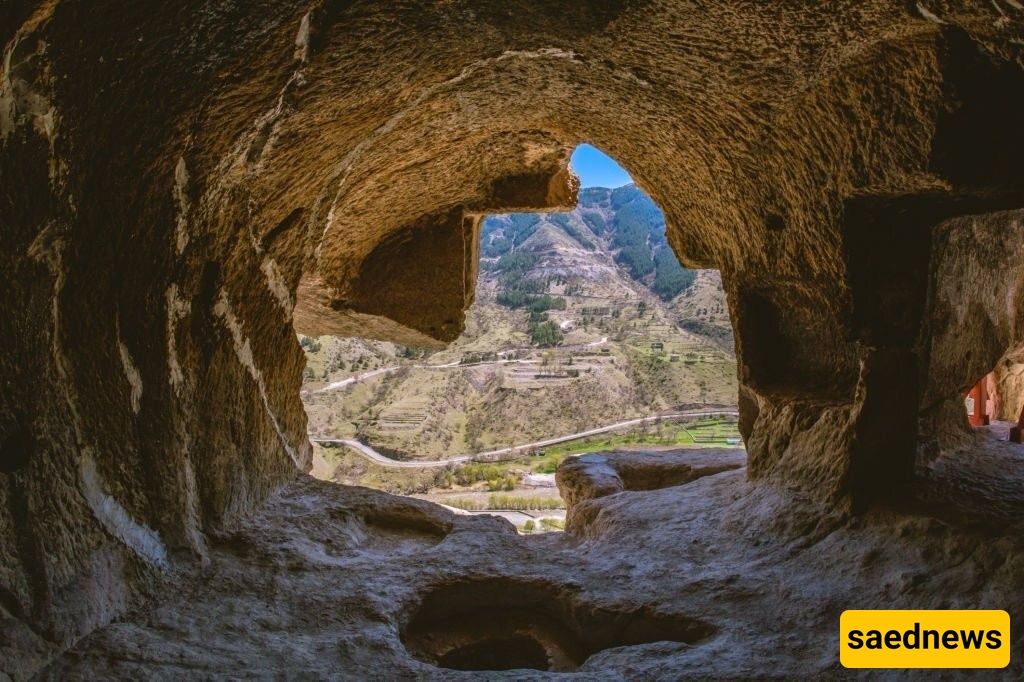
Archaeological excavations carried out during the Soviet period revealed evidence of human habitation in the wider Vardzia area dating back to the Bronze Age, demonstrating the long history of settlement in the region.
The original design of Vardzia was highly concealed. The complex could be reached through a network of tunnels, making it difficult for outsiders to discover and attack.
The surviving complex contains numerous caves and rooms, including residential spaces, places of worship, a pharmacy, guest rooms, meeting areas, and rooms traditionally associated with Queen Tamar.
The bell tower and principal church are among the most prominent surviving structures. The complex also includes spaces that were used as a refectory, bakery, cooking area, and forge, illustrating how the monastery once functioned as a largely self-sufficient community.
One particularly fascinating feature is the ancient water system. Even today, clear water flows through parts of the complex, demonstrating the sophistication of its original engineering.
Vardzia is relatively remote, which may explain why many visitors to Georgia have never heard of it. Nevertheless, the journey is well worth making. The spectacular combination of mountains, caves, ancient architecture, and history makes Vardzia one of Georgia's most memorable attractions.
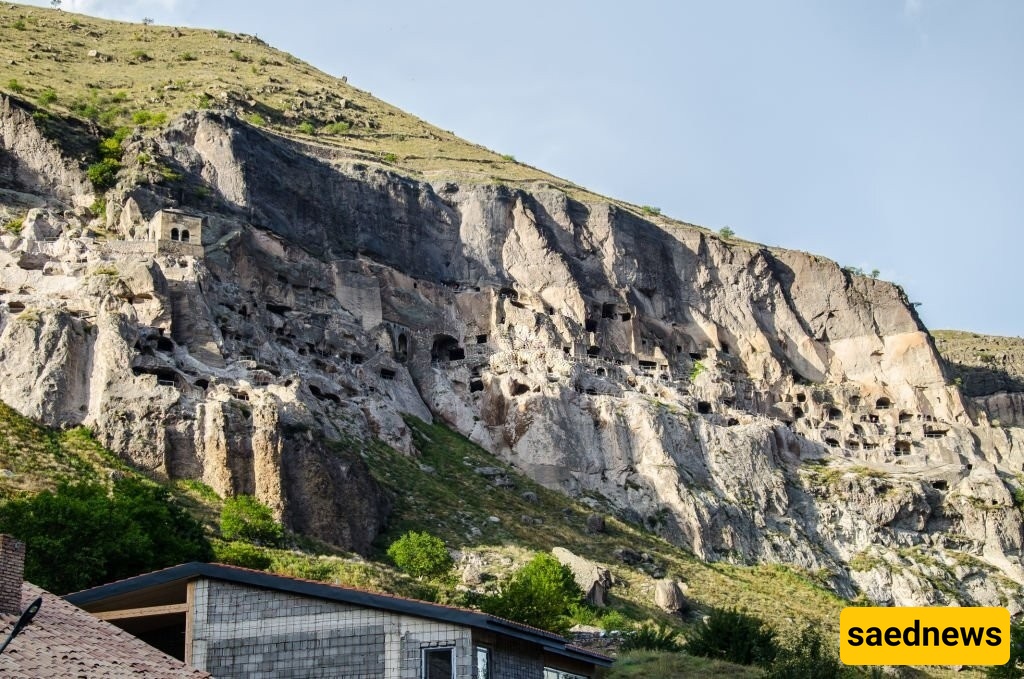
Minibuses operate from Akhaltsikhe toward Vardzia, while the journey from Tbilisi takes several hours. Another convenient option is to travel to Borjomi and continue by road toward Vardzia.
Since 1985, Vardzia has been included within the Vardzia Historical-Architectural Museum area, which encompasses numerous architectural, archaeological, and historical-art sites.
Vardzia was also submitted for consideration as a UNESCO World Heritage Site because of its outstanding cultural and historical significance.
Although Georgian authorities have made considerable efforts to preserve this unique monument, parts of the complex have continued to deteriorate naturally over time.
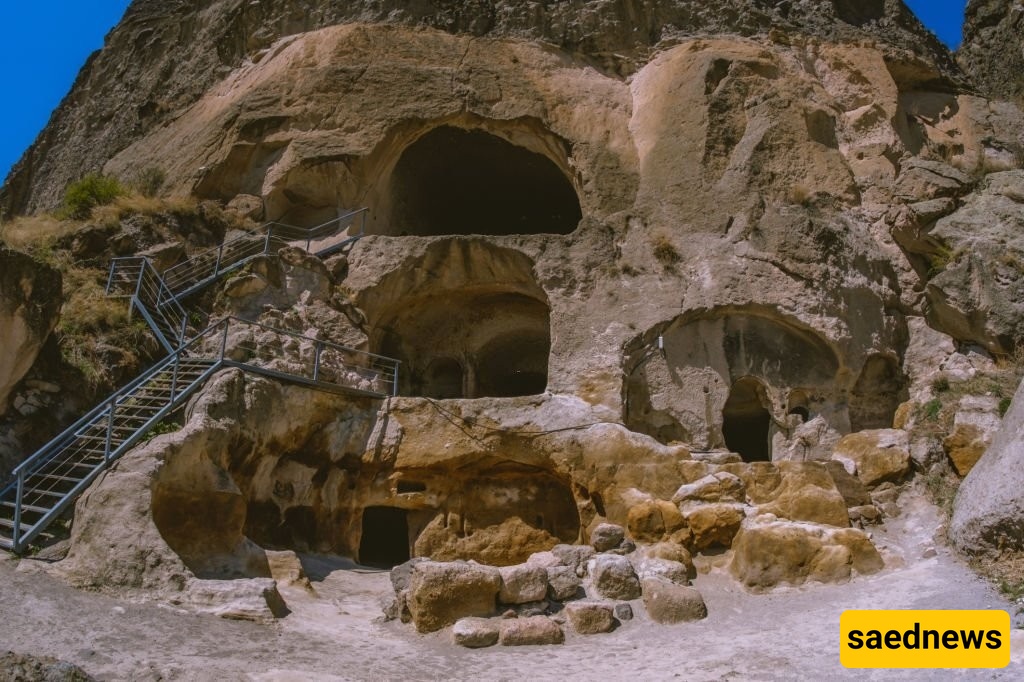
Visitors traveling to Vardzia can also explore several other remarkable attractions in the region, including Tmogvi Castle, Sapara Monastery, and the historic city of Akhaltsikhe.
Vardzia is far more than an ancient collection of caves. It is a remarkable testament to medieval Georgian architecture, engineering, religion, and culture—and one of the country's most extraordinary historical landmarks.