SAEDNEWS: Chia seeds are packed with nutrients, but they are not safe for everyone. This article explores high-risk groups, potential side effects, and important safety precautions when consuming chia seeds.
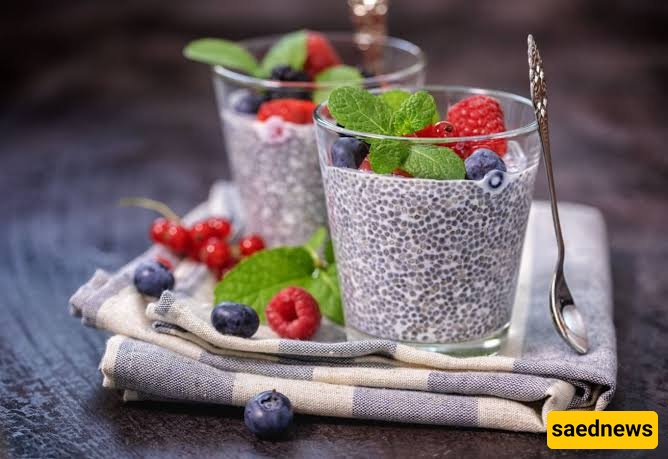
According to Saednews, Chia seeds have become one of the most popular health foods in recent years. These tiny seeds are rich in fiber, plant-based protein, omega-3 fatty acids, minerals, and antioxidants, making them a common addition to many people's diets.
However, are chia seeds safe for everyone? The short answer is no. Chia seeds are generally safe for most people when consumed in moderation, but they may pose risks for certain individuals or require extra precautions.
This article explores who should be cautious about eating chia seeds, their potential side effects, and when to consult a healthcare professional before consuming them.
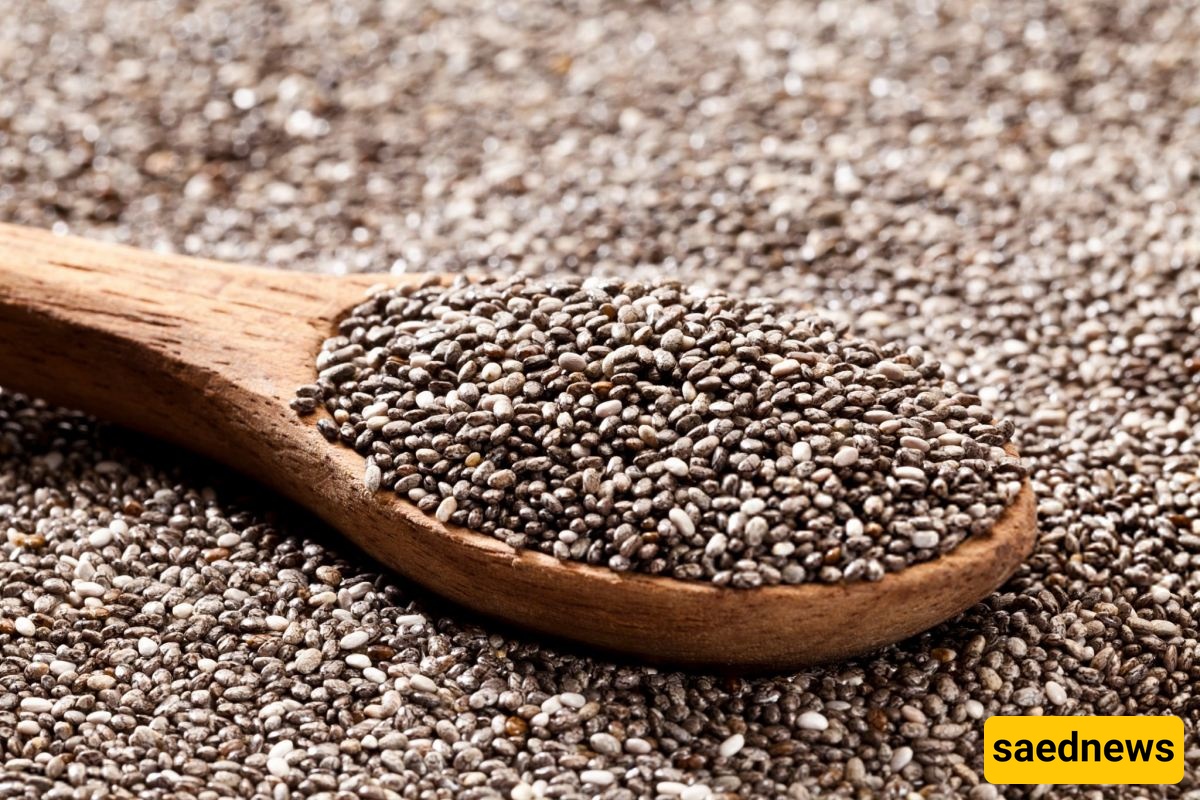
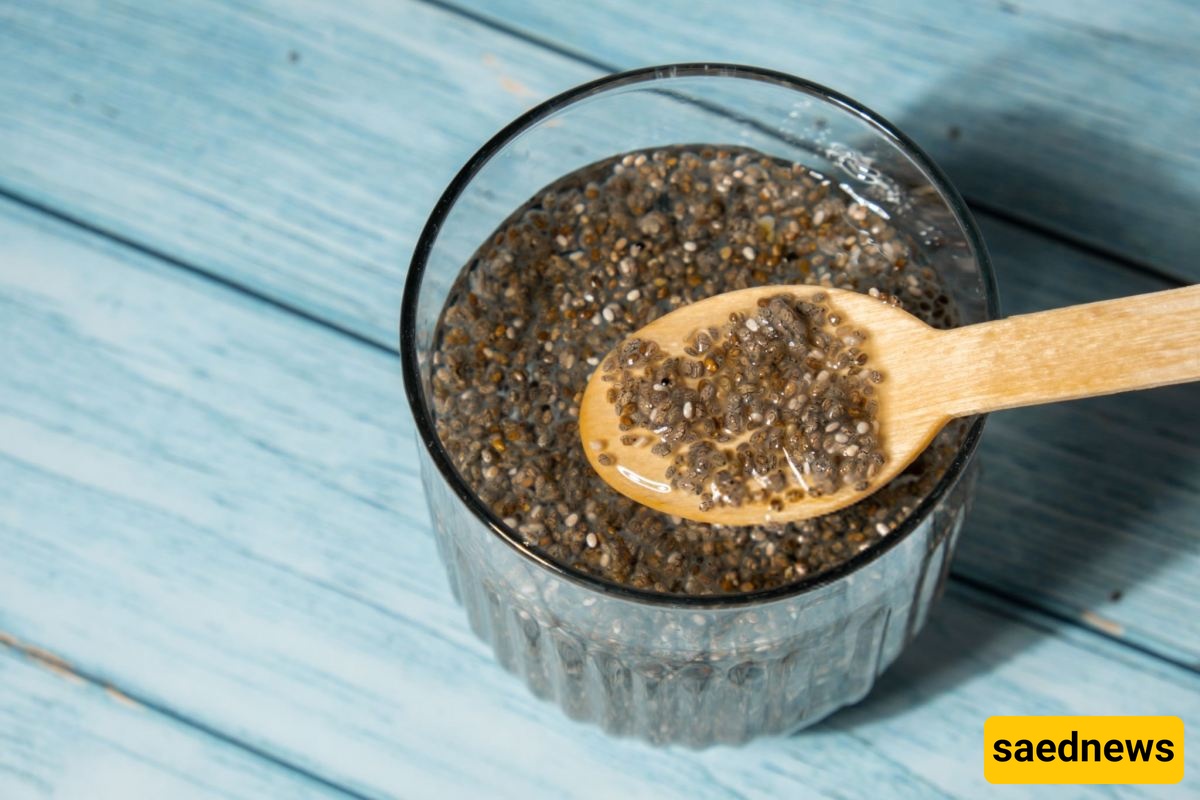
Chia seeds have unique properties that can cause problems under certain circumstances. When exposed to water, they form a gel-like substance and can absorb several times their weight in liquid.
This property can help promote fullness and support digestive health. However, in people with swallowing difficulties or intestinal narrowing, chia seeds may increase the risk of choking or blockage.
Chia seeds are also high in fiber. Although fiber is beneficial for most people, it may cause complications in individuals who have recently undergone gastrointestinal surgery, have inflammatory bowel disease with intestinal narrowing, or suffer from severe constipation and dehydration.
Additionally, chia seeds contain oxalates, potassium, phosphorus, and omega-3 fatty acids. These components may need to be limited or monitored in people with certain medical conditions.
Therefore, it is important to distinguish between situations in which chia seeds should be avoided and those in which their amount, preparation, or timing should be carefully managed.
One of the most significant risks associated with chia seeds is eating them dry without sufficient liquid. If swallowed dry, chia seeds can expand in the esophagus and cause a sensation of food becoming stuck, chest pain, or even an obstruction.
People with swallowing disorders, a history of esophageal narrowing, neurological conditions that affect swallowing, or increased vulnerability due to age should avoid consuming dry chia seeds.
Even chia seed gel should be consumed only with guidance from a healthcare professional or speech-language pathologist when swallowing difficulties are present.
Chia seeds contain substantial amounts of fiber and mucilage. In people with intestinal narrowing, abdominal adhesions, a history of bowel obstruction, Crohn's disease involving strictures, or recent gastrointestinal surgery, a high-fiber intake may increase the risk of obstruction or worsen symptoms.
These individuals should not consume chia seeds without consulting their healthcare provider. If approved, they may need to start with a small amount, consume adequate fluids, and use thoroughly soaked seeds.
Fiber can help relieve constipation, but only when accompanied by adequate fluid intake. Without enough water, chia seeds may worsen constipation, particularly in people who are chronically dehydrated or take medications that cause constipation.
In these circumstances, a sudden increase in fiber may also lead to bloating, abdominal pain, and difficulty passing stool.
Although chia seed allergies are uncommon, they can occur. Symptoms may include itching, hives, swelling of the lips or face, breathing difficulties, and, in severe cases, anaphylaxis.
People with known food allergies, particularly those who have experienced reactions to related seeds or foods, should exercise caution.
If an allergic reaction occurs, stop consuming chia seeds immediately. Seek emergency medical care for severe symptoms, especially facial or throat swelling and difficulty breathing.
Chia seeds contain plant-based omega-3 fatty acids. There is a theoretical concern that high omega-3 intake could increase the effects of anticoagulant medications, such as warfarin, or antiplatelet drugs, potentially raising the risk of bleeding.
This interaction is not firmly established for ordinary dietary amounts of chia seeds. Nevertheless, people taking these medications should discuss substantial or sudden increases in chia seed consumption with their doctor or pharmacist and watch for unusual bleeding.
Chia seeds may help improve blood sugar control. Although this can be beneficial, people with diabetes who use insulin or sulfonylureas may need to be mindful of the potential for low blood sugar when making dietary changes.
These individuals should monitor their blood glucose more closely when appropriate and coordinate regular chia seed consumption with their diabetes management plan.
Some studies suggest that chia seeds may help lower blood pressure. For people who already have low blood pressure or take antihypertensive medications, consuming large amounts may potentially contribute to dizziness, weakness, or low blood pressure.
Moderate consumption and monitoring for symptoms are advisable.
Chia seeds contain potassium and phosphorus. These minerals are beneficial for many people, but those with chronic kidney disease who have been advised to restrict either mineral may need to adjust their intake.
People with advanced kidney disease should avoid consuming large amounts of chia seeds without first consulting their healthcare provider or renal dietitian.
Chia seeds contain oxalates, which can contribute to kidney stone formation in susceptible individuals.
People with a history of calcium oxalate kidney stones, or those advised to follow a low-oxalate diet, should discuss appropriate portion sizes with their healthcare provider. Adequate fluid intake is also important. Those who experience recurrent stones may need to limit their consumption.
Chia seeds are high in fiber. In people with irritable bowel syndrome (IBS) or other digestive sensitivities, a sudden increase in fiber intake may trigger bloating, gas, and abdominal pain.
These individuals should consider starting with a very small amount, consuming the seeds after soaking them thoroughly, and monitoring their body's response.
Moderate amounts of chia seeds consumed as food are generally considered safe during pregnancy and breastfeeding. However, concentrated supplements and excessive consumption are not recommended without professional guidance.
Raw chia seed sprouts should also be avoided during pregnancy because of the risk of bacterial contamination.
Pregnant women should consult their healthcare provider if they have concerns about their intake or are considering concentrated chia products.
The primary concern for young children is choking. Dry chia seeds can absorb moisture and expand, potentially creating a hazard.
For children, chia seeds should be thoroughly soaked or appropriately ground and served in a suitable texture under adult supervision. Dry seeds and excessive portions should be avoided.
Common side effects are generally mild and digestive in nature. They include:
Bloating and gas
Abdominal fullness or discomfort
Diarrhea
Constipation
These effects are more likely when fiber intake increases too quickly or when insufficient fluid is consumed.
More serious complications are rare but can include esophageal or intestinal obstruction, choking, and severe allergic reactions such as anaphylaxis.
If you develop swelling of the lips, face, or throat, widespread hives, difficulty breathing, severe dizziness, or signs of a serious drop in blood pressure after consuming chia seeds, seek emergency medical care.
The more serious potential complications deserve particular attention in high-risk individuals:
Esophageal or intestinal obstruction: May occur after swallowing dry seeds or in people with digestive narrowing or impaired gastrointestinal movement.
Choking: A particular concern for young children, older adults with swallowing difficulties, and people who eat too quickly.
Allergic reactions: Can range from mild itching and hives to life-threatening anaphylaxis.
Severe constipation or bloating: May develop when large amounts of fiber are consumed without sufficient fluids.
Low blood sugar or blood pressure: Possible concerns for people taking diabetes or blood pressure medications, although the extent of these effects varies and is not firmly established.
Chia seeds are commonly consumed as food, but large amounts or concentrated supplements may warrant additional caution when combined with certain medications.
Anticoagulants and antiplatelet drugs: Omega-3 fatty acids raise a theoretical concern about increased bleeding risk, although evidence of a clinically significant interaction at normal dietary intakes is limited.
Insulin and blood-glucose-lowering medications: Chia seeds may contribute to lower blood glucose, so monitoring may be appropriate.
Blood pressure medications: Their potential blood-pressure-lowering effects may warrant attention in susceptible individuals.
Laxatives and fiber supplements: Combining them with large amounts of chia seeds may increase bloating, diarrhea, and other gastrointestinal symptoms.
Mineral supplements: Phytates and fiber in chia seeds may affect the absorption of certain minerals when consumed in large quantities, although this is generally not a major concern with a balanced diet.
People taking prescription medications should consult their healthcare provider before making substantial changes to their chia seed intake.
Most risks associated with chia seeds depend not only on the seeds themselves but also on how they are prepared and consumed.
To reduce potential problems:
Avoid swallowing dry chia seeds without adequate liquid.
Soak the seeds in water, milk, yogurt, or a smoothie until they form a gel.
For children, older adults, and people with swallowing difficulties, ensure the texture is appropriate and follow professional guidance.
Start with a small amount and increase gradually to allow your digestive system to adjust.
Drink enough water throughout the day.
For many healthy adults, approximately 1–2 tablespoons per day is a reasonable amount, but individual needs and tolerances vary.
People with underlying medical conditions or those taking medications may need different portion sizes or specific dietary restrictions.
Consult a healthcare professional or registered dietitian before regularly consuming chia seeds if you have any of the following:
Swallowing difficulties, esophageal narrowing, or a history of choking
Intestinal obstruction, intestinal narrowing, abdominal adhesions, Crohn's disease with strictures, or recent gastrointestinal surgery
Kidney disease requiring potassium or phosphorus restrictions
A history of calcium oxalate kidney stones
Diabetes treated with insulin or blood-glucose-lowering medication
Low blood pressure or medication use for hypertension
Treatment with anticoagulant or antiplatelet medications
Pregnancy or breastfeeding, particularly if considering concentrated supplements
A history of severe food allergies
Significant digestive sensitivity or severe constipation
Young children and medically vulnerable older adults may also require special precautions.
Stop consuming chia seeds and seek medical advice if you experience concerning symptoms such as:
Chest pain or a sensation of food becoming stuck in the throat or esophagus
Persistent vomiting, severe bloating, abdominal pain, or inability to pass stool
Severe diarrhea or signs of dehydration
Swelling of the face, lips, or throat; widespread hives; difficulty breathing; or wheezing
Severe dizziness, weakness, or symptoms of low blood pressure
Symptoms of low blood sugar, such as shaking, cold sweating, and confusion
Seek emergency medical care immediately for difficulty breathing, throat swelling, suspected complete obstruction, or other severe symptoms.
Chia seeds are generally safe and potentially beneficial for most people when consumed in moderate amounts and properly soaked. However, they may pose risks for certain groups, particularly people with swallowing difficulties, intestinal narrowing, kidney disease, a history of calcium oxalate kidney stones, or allergies. Additional caution may be appropriate for people taking blood thinners, diabetes medications, or blood pressure medication.
The most important safety measure is to avoid consuming dry chia seeds without sufficient liquid. If you have an underlying medical condition or take prescription medication, consult your healthcare provider or dietitian before making chia seeds a regular part of your diet.
Who should avoid chia seeds? People at higher risk include those with swallowing or intestinal problems, certain kidney conditions, relevant allergies, and specific medication-related concerns. Proper preparation, moderate portions, and individualized medical advice can help reduce potential risks.