SAEDNEWS: Fossils offer a fascinating glimpse into Earth’s distant past. In this article, you’ll discover how natural fossils form and learn how to create your own artificial fossil using simple materials.
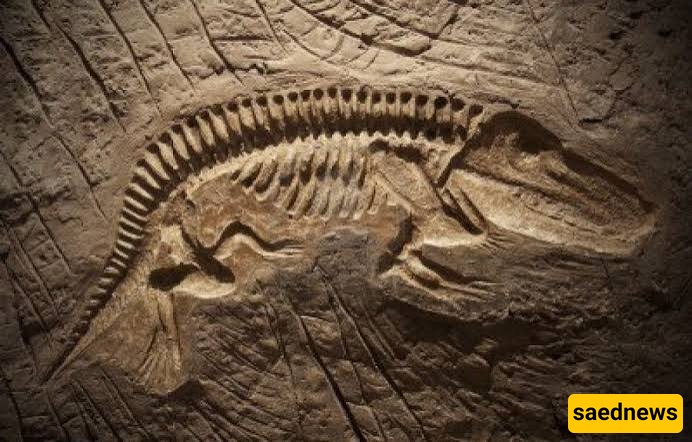
According to Saednews, Fossils provide evidence of past environmental conditions. By examining a fossil, scientists can learn about the environment and even the climate of the time in which an organism lived. For example, a fish fossil can help scientists determine the depth of the water in which the fish lived.
The following stages illustrate how a living organism can become a fossil. However, specific conditions must be present for fossilization to occur.
Spawning: An adult fish lays its eggs in a safe location.
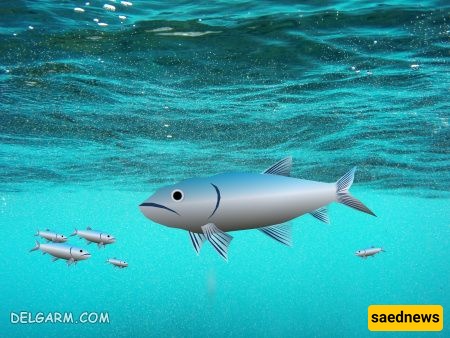
Death and deposition: Many fish eventually die and settle on the seabed.
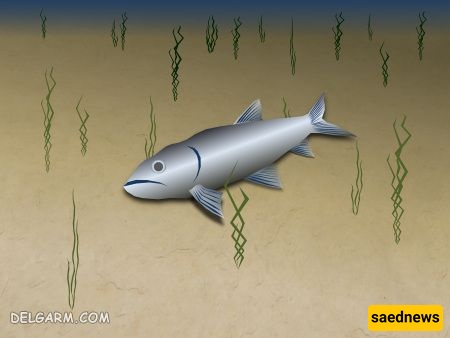
Decay of soft tissues: After several weeks, the fish’s soft tissues decompose.
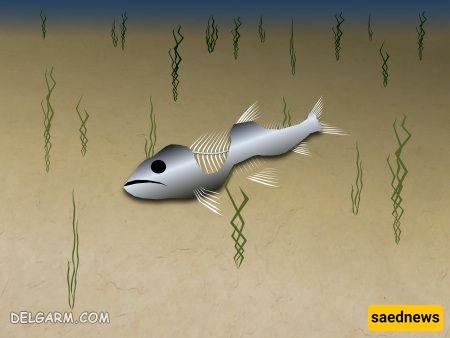
Burial: Tectonic activity, such as the tilting of Earth’s layers, can contribute to the burial of the fish beneath sediment.
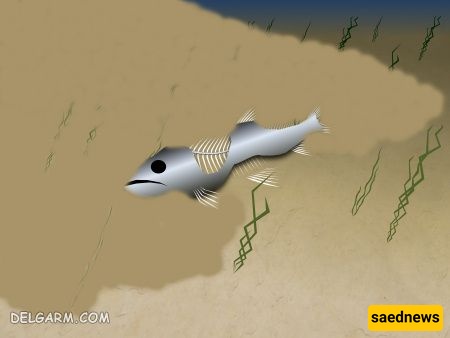
Skeleton remains: After several months, only the fish’s skeleton remains.
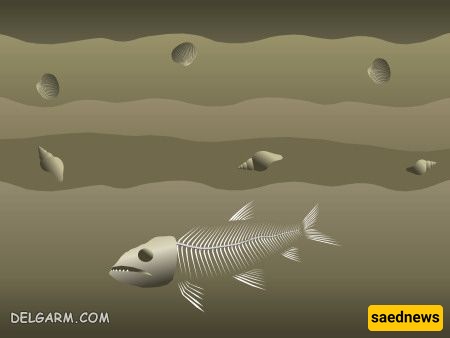
Sediment accumulation: Over time, the fish’s skeleton becomes buried beneath layers of sediment.
Uplift: After millions of years, tectonic activity may cause layers that were buried beneath the sea to rise above the water.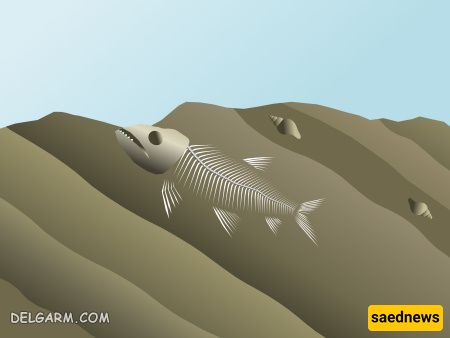
Weathering and erosion: Once these layers are exposed, weathering and erosion gradually wear them away, revealing the fossils within the rock layers.
These processes take millions of years. For an organism to become a fossil, it generally needs to be buried under suitable conditions that limit decomposition. An oxygen-rich, oxidizing environment can make fossil preservation less likely.
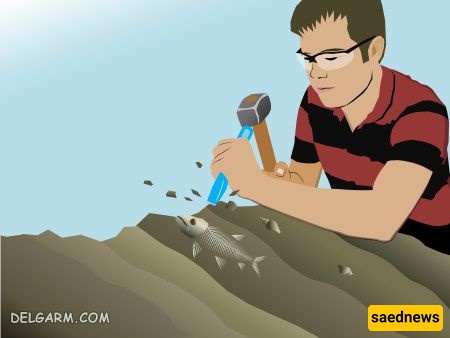
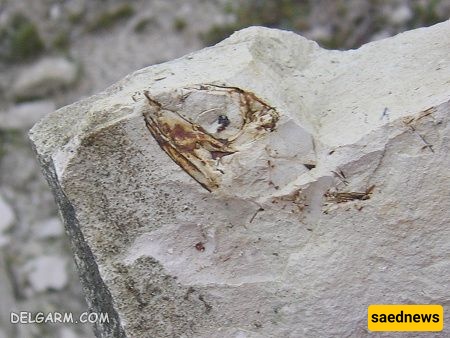
Geologists extract fossils from rocks.
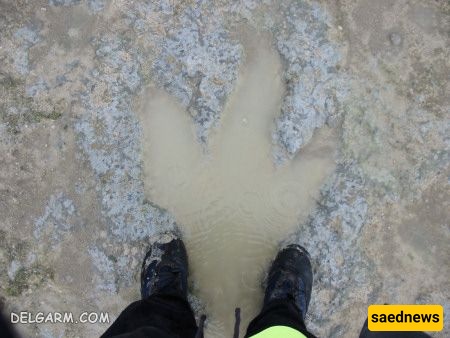
A dinosaur footprint discovered in a quarry in Oxfordshire.
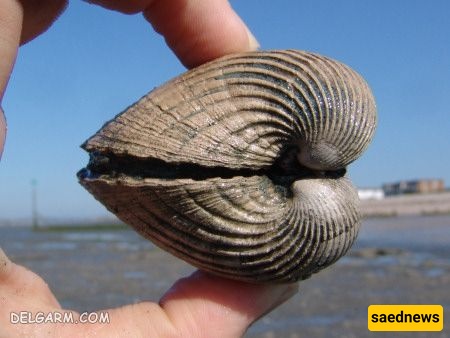
A fossil of a bivalve mollusk.
In this section, we will learn how to make artificial prehistoric fossils, which have always fascinated people. Using simple, readily available materials, you can create your own fossil replicas. This activity is not only fun to do in a group but also provides a hands-on way to understand how fossils form.
Clay or very fine sand
Water
Toy animals
Plaster of Paris
A container and a little paint
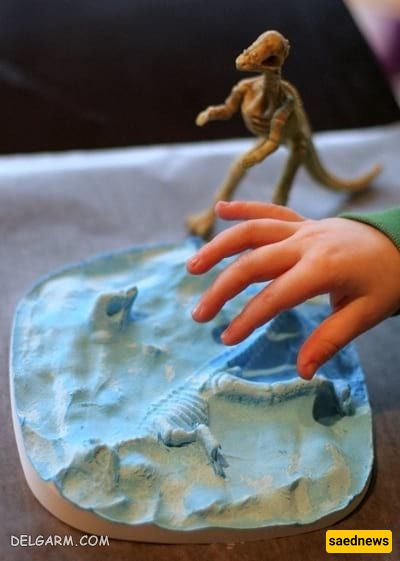
First, place some clay or very fine sand in a container. Add water and mix until the material reaches a slightly dough-like consistency.
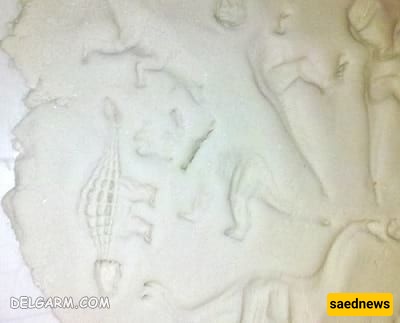
Choose a toy animal and press it into the material so that its shape leaves an impression in the sand or clay.
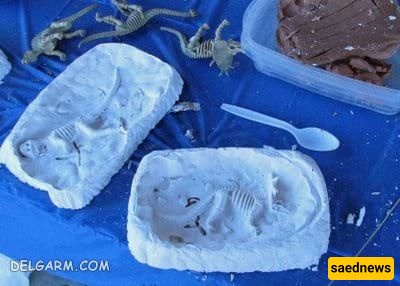
Mix plaster of Paris with water and pour it into the mold you have created.
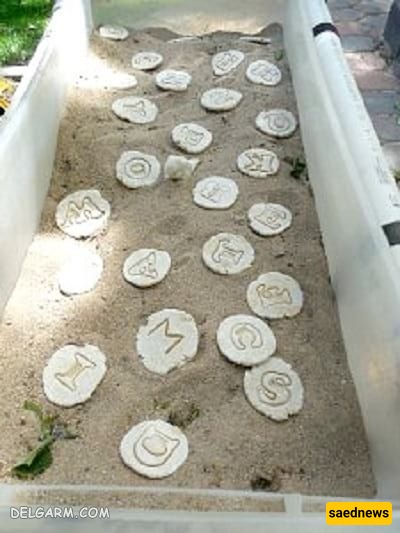
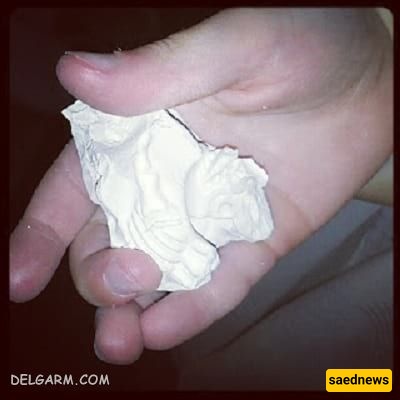
Wait until the plaster has completely dried, then carefully remove your replica fossil from the mold.
Using this method, you can also make molds of animal footprints or even your own handprints and footprints.