SAEDNEWS: Shield volcanoes are a type of volcano characterized by gentle slopes and non-explosive eruptions. Their unique structure makes them particularly fascinating to geologists.
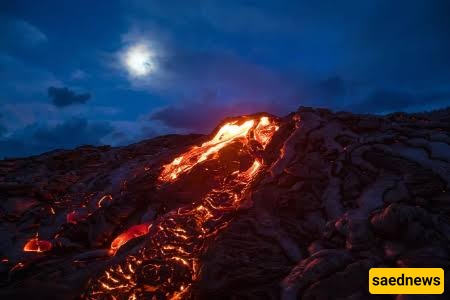
According to Saednews, Volcanoes are fascinating natural phenomena that exist in various forms, each with its own distinctive characteristics. One such type is the shield volcano, which attracts particular interest from scientists and geology enthusiasts because of its unique structure and formation process.
Shield volcanoes are a type of volcano that resembles a large shield or helmet due to their distinctive shape. They typically have gentle slopes and broad bases. Their eruptions generally produce thin, extensive layers of volcanic material that flow slowly outward from the volcanic vent.
Gentle slopes: One of the most prominent features of shield volcanoes is their shallow slope, which usually measures less than 10 degrees. This characteristic results from the type of volcanic material and the way it erupts.
Silicate-rich volcanic materials: Shield volcanoes typically form from silica-poor volcanic materials, such as basalt. These materials flow easily from the volcanic vent and spread across the ground.
Non-explosive eruptions: Another characteristic of shield volcanoes is their predominantly non-explosive eruptions. Rather than producing powerful explosions, these eruptions are usually accompanied by flowing lava.
Geographical locations: Shield volcanoes commonly form in areas associated with volcanic activity, such as tectonic plate boundaries and hotspots.
The formation of shield volcanoes depends on several factors. The following sections describe the key stages in their development.
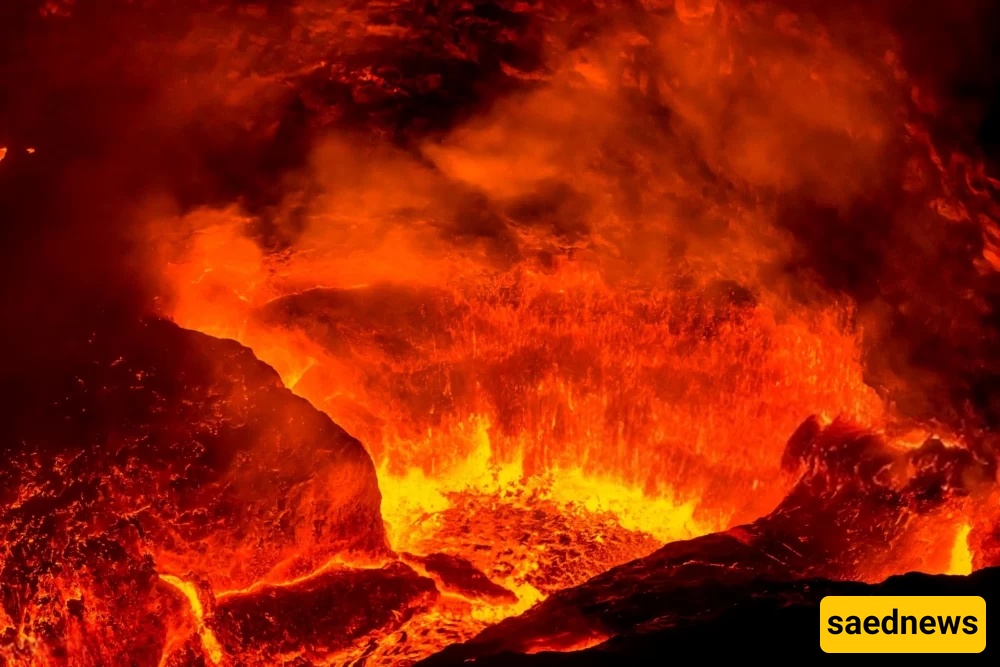
The first stage in the formation of a shield volcano involves the melting of rocks beneath Earth's surface. This melting typically occurs because of high temperatures and changes in pressure deep within the Earth. The molten material moves upward and eventually emerges through cracks and fissures in the Earth's crust.
Once magma reaches the surface, it emerges as lava and begins to flow. Because basaltic lava has relatively low viscosity, it spreads easily across the ground, forming thin layers over large areas.
As eruptions and lava flows occur repeatedly, successive layers gradually accumulate on top of one another. Over time, this accumulation creates the broad base and gentle slopes characteristic of shield volcanoes.
Shield volcanoes can be found in various parts of the world. Some of the best-known examples include the following.
Located in Hawaii, Mauna Loa is one of the largest shield volcanoes in the world. Due to its repeated volcanic activity, it consists of numerous layers of volcanic material. Its summit rises approximately 4,100 meters above sea level.
Also located in Hawaii, Kīlauea is considered one of the world's most active shield volcanoes. Its eruptions commonly produce lava flows that spread across the surrounding landscape.
Seamounts are underwater mountains, many of which are volcanic in origin. Numerous examples occur in the Pacific Ocean. These structures can develop gradually through repeated eruptions and may form part of larger volcanic chains. However, not all seamounts are shield volcanoes.
Shield volcanoes can affect the environment in several ways. Some of their most significant impacts are described below.
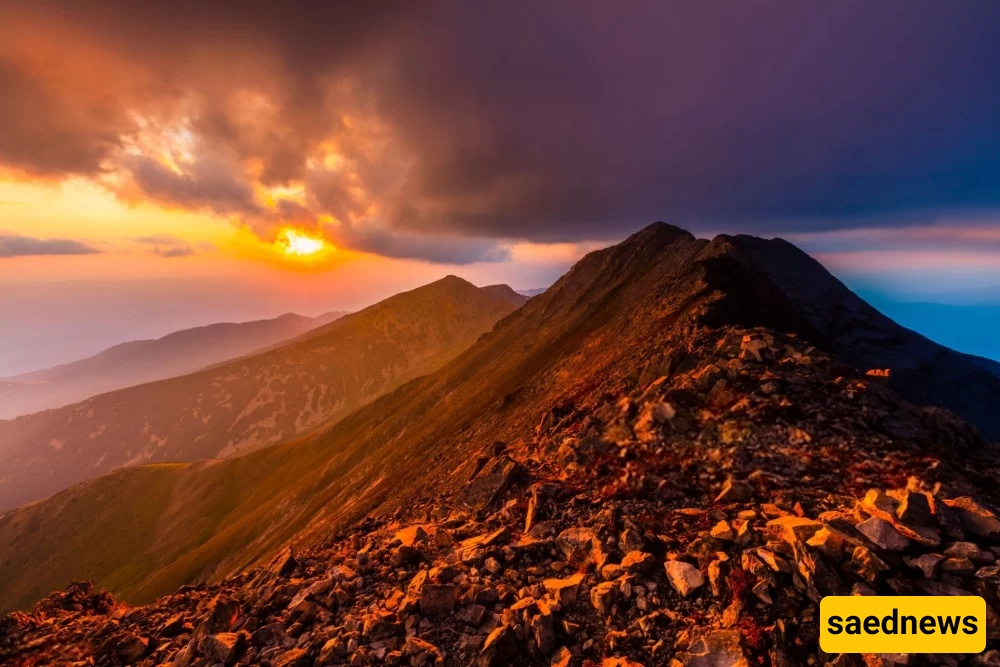
Volcanic activity can cause substantial changes to the landscape of an area. These changes may include the formation of new land, alterations to river courses and groundwater systems, and the creation of new habitats.
Volcanic eruptions can influence weather patterns and climate. Gases released during eruptions, including carbon dioxide and sulfur dioxide, can contribute to environmental changes. Large eruptions that release substantial quantities of sulfur dioxide into the atmosphere can temporarily lower global temperatures.
Volcanic materials can affect nearby soil and water. Depending on their composition, these materials may contain heavy metals or other harmful substances that can negatively affect human health and other living organisms. However, volcanic materials can also enrich soil with minerals over time.
Shield volcanoes are distinctive geological formations characterized by their broad bases, gentle slopes, and predominantly fluid lava flows. They form through repeated eruptions that deposit successive layers of basaltic lava. Famous examples, such as Mauna Loa and Kīlauea in Hawaii, demonstrate how these volcanoes can shape landscapes and influence surrounding ecosystems. Understanding their formation and environmental effects helps scientists better explain volcanic processes and their role in shaping the Earth.