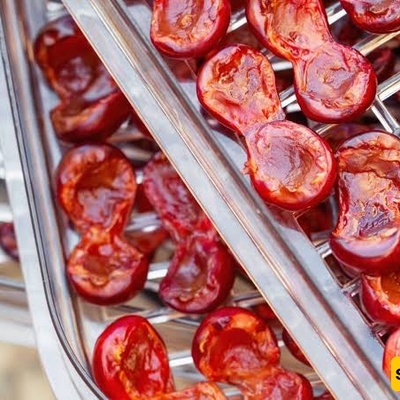
SAEDNEWS: Dried Cornelian Cherries: A Delicious Way to Enjoy Summer’s Tangy Flavor All Year Round
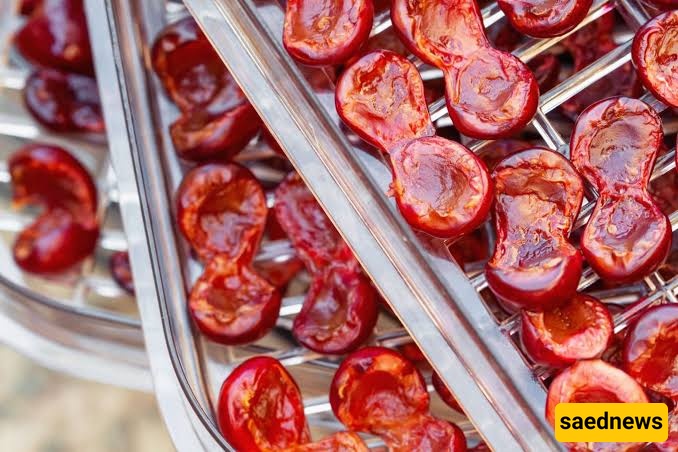
According to Saednews, Cornelian cherries are a popular summer fruit known for their pleasant, tart flavor and numerous nutritional benefits. In addition to being enjoyed fresh, they can be processed in various ways, including making jam, fruit leather, juice, and dried fruit.
Drying is one of the best ways to preserve Cornelian cherries for long-term use. It allows you to enjoy their flavor and benefits throughout the year. Dried Cornelian cherries have a more concentrated flavor and can be enjoyed as a healthy snack, added to salads and desserts, or used to enhance the flavor of various dishes.
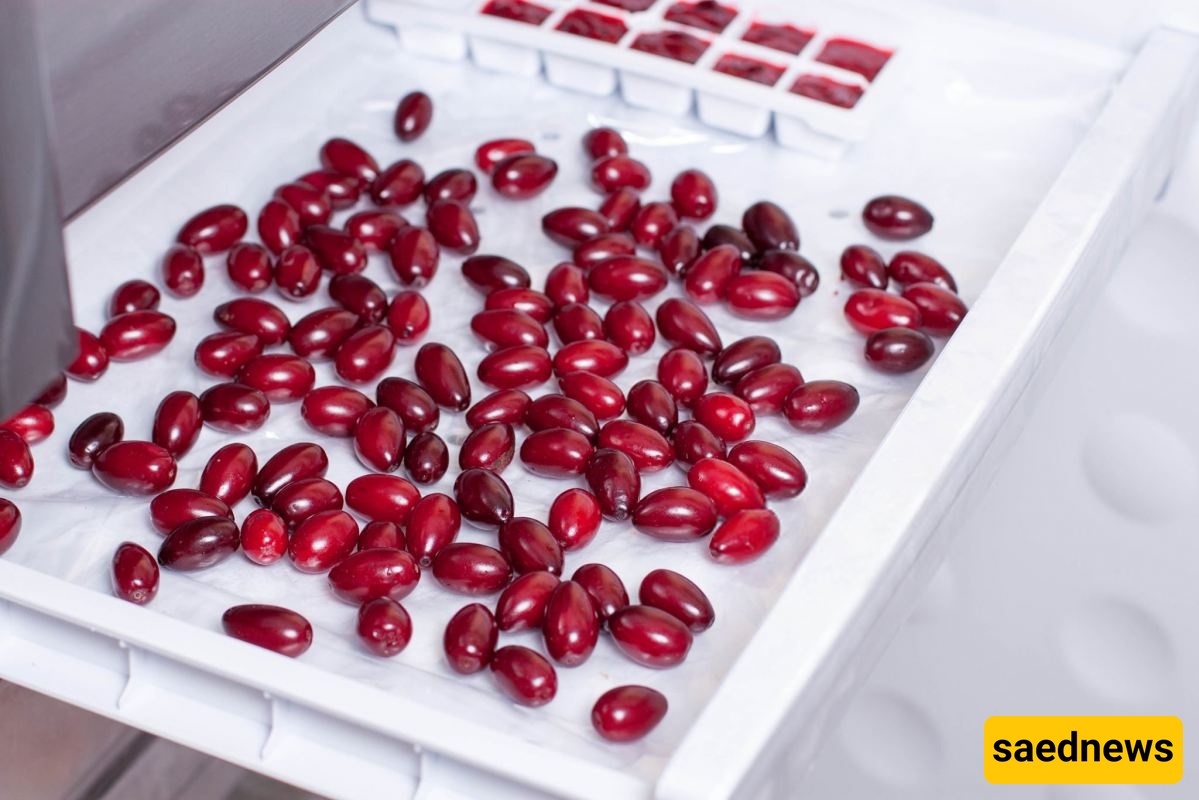
Before starting any drying method, prepare the cherries properly. This step plays an important role in the quality of the final product.
Wash the fruit: Rinse the cherries thoroughly under cold water to remove dust, leaves, and other impurities. Avoid using warm water, as it may soften the fruit.
Remove the stems: Remove the stems to improve the appearance of the dried fruit and prevent moisture from accumulating around them.
Remove surface moisture: Spread the washed cherries on a clean cotton cloth or kitchen towel and gently roll them to absorb excess water. This helps reduce the risk of mold growth.
Remove the pits (optional): If desired, use a small knife or a specialized tool to remove the pits. Pitting allows the fruit to dry more quickly and evenly and makes it easier to use later. However, you can leave the pits in if you prefer to store the fruit whole.
Once the cherries are prepared, choose one of the following drying methods.
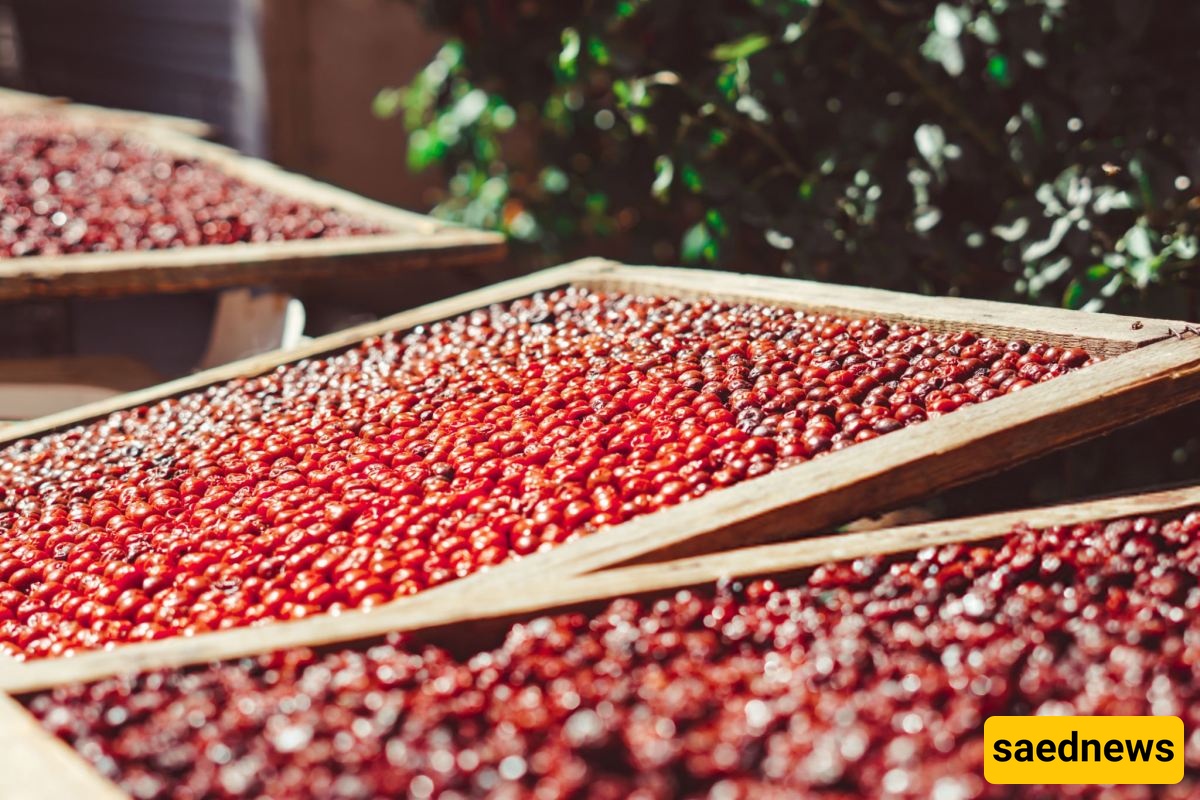
Sun-drying is the oldest and most natural method. It requires no energy costs, but it depends on the weather and takes longer than other methods.
Choose a suitable location: Select a sunny, well-ventilated area that receives direct sunlight. Keep the fruit away from pets and dusty areas.
Prepare the drying surface: Spread a large tray or clean cotton cloth on the surface. You can also use a mesh food-drying rack.
Arrange the cherries: Spread the cherries in a single layer, leaving space between them. Avoid piling them on top of one another, as this can lead to uneven drying or mold growth.
Cover the fruit: Place a thin mesh cloth over the cherries to allow sunlight and air to pass through while keeping insects and dust away.
Turn the cherries daily: Gently turn the fruit once or twice a day to ensure even drying.
Allow sufficient drying time: Depending on sunlight intensity and humidity, drying usually takes three to seven days. The cherries are ready when they are thoroughly shriveled, firm, and free of internal moisture.
Advantages:
Natural and energy-efficient.
Requires no electricity.
Gentle drying conditions may help preserve some nutrients.
Disadvantages:
Depends on weather conditions.
Takes longer than other methods.
The fruit may be exposed to dust and insects if it is not properly covered.
Using an oven is a faster, more controlled method that can be used throughout the year. Adjusting the temperature helps preserve the fruit's color and flavor.
Prepare the baking tray: Line the tray with parchment paper or use a suitable drying rack to prevent the cherries from sticking.
Arrange the cherries: Spread the prepared fruit in a single layer on the tray.
Set the temperature: Preheat the oven to 140–160°F (60–70°C). Higher temperatures may scorch the fruit or make it excessively hard.
Allow moisture to escape: If your oven's instructions permit, leave the door slightly open to release steam and prevent the fruit from cooking instead of drying.
Turn the fruit periodically: Remove the tray every 30–45 minutes and turn the cherries to promote even drying.
Check the drying time: Depending on the size and moisture content of the fruit, the process may take three to five hours. The cherries should be shriveled and firm when ready.
Advantages:
Faster than sun-drying.
Temperature can be controlled.
Can be done in any season.
Requires relatively little space.
Disadvantages:
Uses electricity or gas.
May produce uneven results if the fruit is not turned periodically.
Heat may reduce some heat-sensitive nutrients.
Note: Drying times vary depending on the oven and the fruit. For more consistent results, follow your oven manufacturer's instructions and monitor the fruit closely.
A food dehydrator is an excellent option for producing evenly dried fruit with good color and flavor. It uses circulating warm air to remove moisture gradually, helping produce a well-preserved final product.
Prepare the trays: Make sure the dehydrator trays are clean and dry.
Arrange the cherries: Spread the fruit evenly in a single layer, leaving enough space between the cherries for proper airflow.
Set the temperature: Adjust the dehydrator to 130–150°F (55–65°C).
Allow the fruit to dry: Depending on the size and moisture content of the cherries, drying generally takes eight to twelve hours.
Rotate the trays: Halfway through the process, rearrange the trays if recommended by the manufacturer's instructions to help the fruit dry evenly.
Check for doneness: The cherries should be shriveled and firm, with no visible moisture released when pressed. Allow them to cool before checking their final texture.
Advantages:
Promotes even drying.
Helps preserve color and flavor.
Offers precise temperature control.
Does not depend on weather conditions.
Provides a more controlled drying environment.
Disadvantages:
Requires purchasing a dehydrator.
Uses electricity.
Once the cherries are completely dry, place them in an airtight glass or food-safe plastic container. Store the container in a cool, dry place away from direct sunlight.
Under suitable conditions, dried Cornelian cherries may retain their quality for approximately six to twelve months. For longer storage, you can keep them in the refrigerator or freezer.
Make sure the cherries have cooled completely before sealing the container. For additional protection, check the fruit during the first week for signs of condensation or moisture. If moisture appears, the fruit may need further drying.
Important food-safety tip: Fruit that retains too much moisture can develop mold during storage. Make sure it is adequately dried before storing it for extended periods.
Drying Cornelian cherries at home is a practical way to preserve this tart, flavorful summer fruit. Sun-drying is an economical option, oven-drying offers greater control and speed, and a food dehydrator provides consistent results with minimal dependence on the weather.
Choose the method that best suits your equipment and available time, and store the dried fruit properly to enjoy it in snacks, desserts, salads, and other dishes throughout the year.