SAEDNEWS: Chickens pecking at each other can be normal behavior or a sign of stress or illness.
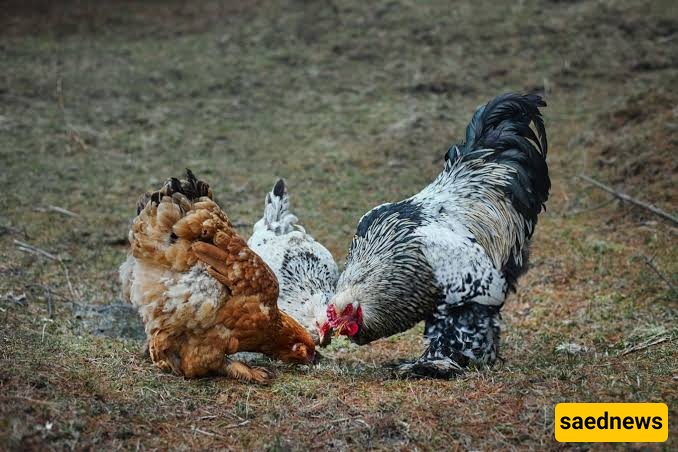
According to Saednews, Pecking at one another is a common yet challenging behavior in backyard, semi-commercial, and commercial poultry flocks. Many poultry keepers assume that when chickens peck at each other, it is simply a sign of aggression or competition for food. However, the situation is more complex. Pecking can be a natural way for chickens to establish their social hierarchy, but it can also develop into harmful pecking, feather pecking, and even cannibalism. Understanding the causes of this behavior is the first step toward effective flock management, preventing economic losses, and improving bird welfare.
Chickens are social animals that establish a hierarchy within their flock, commonly known as the pecking order. Each bird has a particular position in this structure, and brief, limited pecking helps establish and maintain that position. This type of pecking is generally mild, does not cause wounds or bleeding, and is considered a normal part of chicken behavior.
One of the most common reasons chickens peck at each other is overcrowding and a lack of adequate space. When birds have limited room to move, rest, and escape from one another, stress levels increase. In crowded environments, weaker chickens may be unable to avoid more aggressive birds, increasing the likelihood of pecking.
Insufficient feeder and drinker space can make the problem worse. When several birds must compete for access to the same food or water source, competition and pecking become more frequent. Providing adequate space and sufficient feeding and drinking stations is therefore essential for prevention.
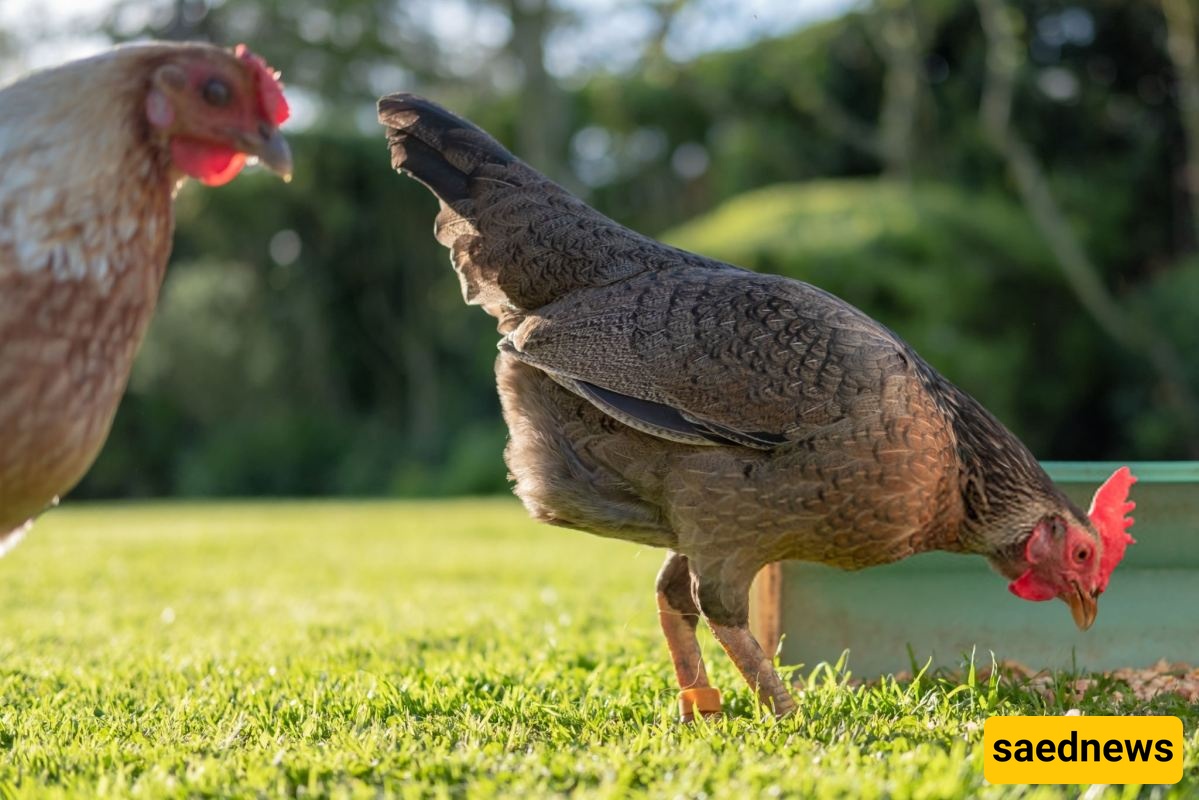
Nutrition plays a significant role in chicken behavior. Deficiencies in protein, essential amino acids such as methionine, minerals, vitamins, and fiber can contribute to feather and skin pecking. Feathers are primarily made of protein, and nutritional deficiencies may encourage birds to peck at the feathers of other chickens.
Similarly, diets lacking sufficient fiber or containing unsuitable feed textures and particle sizes may make chickens restless. Chickens have a natural need to forage and peck at the ground. When their environment does not satisfy this behavioral need, they may redirect their pecking toward the feathers of other flock members.
Environmental stress is another major factor contributing to pecking. Excessive heat, poor ventilation, high humidity, wet bedding, and ammonia accumulation can make chickens more irritable and increase aggressive behavior.
Bedding quality is also important. Dry, soft bedding that chickens can scratch and turn over allows them to express their natural foraging behavior. Poor-quality bedding or a lack of suitable scratching materials can lead to boredom and increase the likelihood of pecking at other birds.
Chickens are intelligent and curious animals. When their living environment is barren and offers no opportunities to explore, play, forage, or peck at safe objects, boredom can lead to alternative behaviors such as feather pecking and aggression toward other birds.
This problem is particularly common in confined flocks and housing systems without access to outdoor ranging areas.
Some chicken breeds or genetic lines are more prone to feather pecking than others. Differences in temperament can also influence the behavior. Some chickens are more active, curious, or aggressive, while others tend to be calmer.
In addition to genetics, experiences during the rearing period can influence how these behaviors develop.
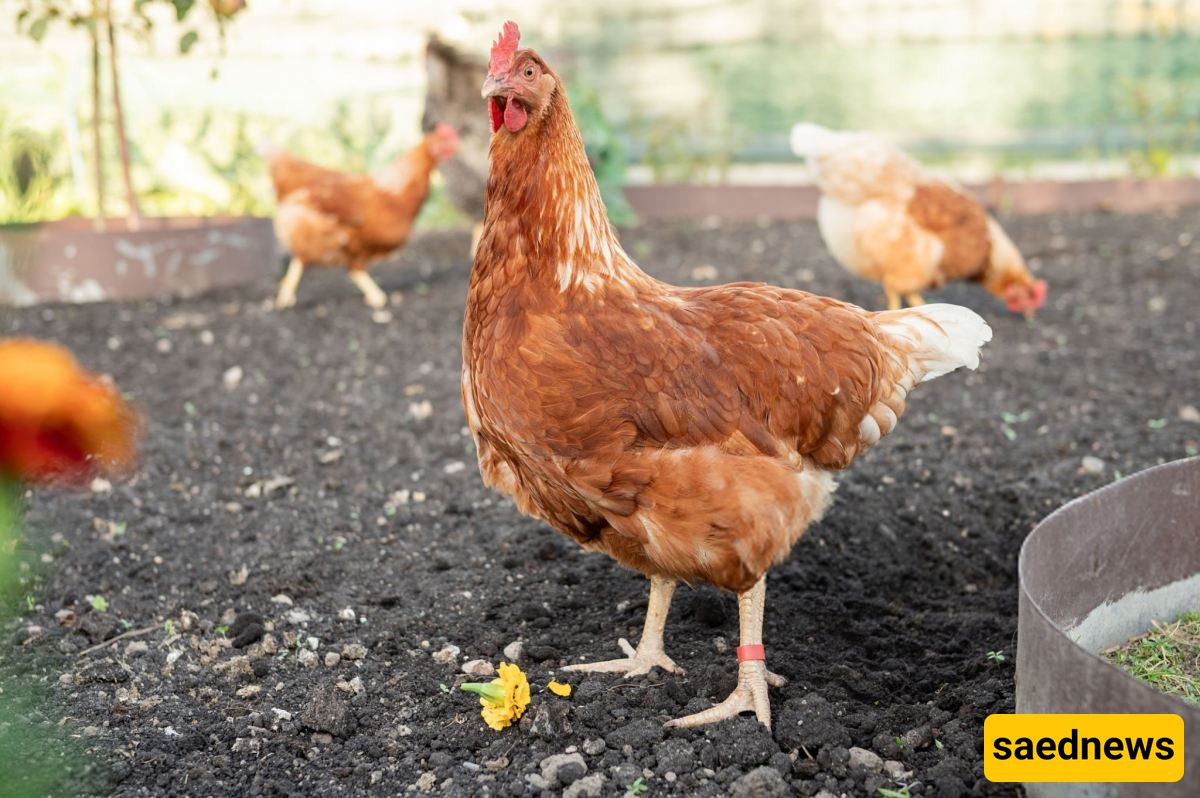
Wounds, bleeding, swelling around the vent, and external parasites can attract the attention of other chickens. Chickens may be drawn to the color red and injured areas, prompting them to peck at the affected spot. This behavior can spread rapidly through a flock and potentially develop into cannibalism.
Regular health checks and parasite control are therefore essential components of prevention.
Introducing a new chicken suddenly, changing flock composition, moving birds frequently, or exposing them to stressful conditions can disrupt the established social hierarchy. Under these circumstances, pecking may increase as birds attempt to establish their positions.
Sick or weak chickens are also more vulnerable to being targeted by other flock members.
Excessive light intensity or irregular lighting schedules can increase chicken activity and irritability. In some poultry production systems, high light intensity can contribute to aggressive behavior and feather pecking.
Adjusting light intensity and maintaining a consistent, balanced lighting schedule are effective management measures.
Pecking becomes a serious concern when it is repetitive, targeted, or causes injury. Warning signs include:
Loose feathers scattered around the housing area and localized feather loss on the back, tail, or vent.
Skin wounds or bleeding.
Repeated pecking directed at a particular bird.
Weight loss or reduced egg production.
Restlessness, aggression, and fear throughout the flock.
A chicken withdrawing from the flock or hiding from other birds.
If a chicken develops a wound or begins bleeding, it should be separated from the flock because visible blood can attract further pecking and worsen the injury.
Harmful pecking is more than an undesirable behavior; it can have serious consequences. These include reduced animal welfare, pain and stress, an increased risk of disease, lower egg production, bird mortality, and higher treatment costs.
In commercial poultry operations, harmful pecking can cause substantial economic losses. Feather pecking can also spread quickly throughout a flock, making it difficult to control once established.
Increasing available living space, distributing feeders and drinkers appropriately, and providing sufficient room for movement can reduce stress. Every bird should have access to food and water without excessive competition.
The diet should provide appropriate levels of protein, essential amino acids, minerals, vitamins, and fiber. If necessary, consult a poultry nutrition specialist to adjust the feed formulation.
Providing suitable fiber sources and opportunities for natural foraging may also help reduce harmful pecking.
Providing safe materials for pecking and exploration, such as straw, dry hay, vegetables, suitable pecking objects, and bedding that can be scratched and turned over, can redirect chickens' attention away from other birds.
Environmental enrichment should be appropriate for the birds' age, stocking density, and housing conditions.
Maintaining suitable temperature, humidity, and ventilation while keeping bedding dry and clean can reduce environmental stress. During hot weather, adequate ventilation and access to cool, clean drinking water are especially important.
Light intensity should be appropriate for the flock, and lighting schedules should remain consistent. Sudden changes or excessively bright lighting may increase activity and irritability.
Injured chickens should be separated promptly and treated. Weak or sick birds should also be examined. Reintroducing a recovered chicken to the flock should be done carefully, once it has healed sufficiently.
New birds should be introduced gradually under controlled conditions to minimize conflict, stress, and pecking while the flock establishes a new social hierarchy.
Veterinary assessment is essential when chickens show wounds, bleeding, severe feather loss, or unexplained deaths. External and internal parasite control should also be included in the flock management program.
Why do chickens peck at each other?
Chickens may peck at one another to establish a social hierarchy, compete for food and water, or respond to overcrowding, nutritional deficiencies, environmental stress, boredom, genetic predispositions, disease, parasites, or changes in flock composition. While mild pecking is a normal social behavior, repeated pecking that causes feather loss, wounds, or bleeding requires prompt intervention.