SAEDNEWS: Some foods need extra resting time after cooking because their flavors, moisture, and texture continue to develop after being removed from heat. Allowing food to rest helps distribute natural juices, improve tenderness, and create a more balanced taste.
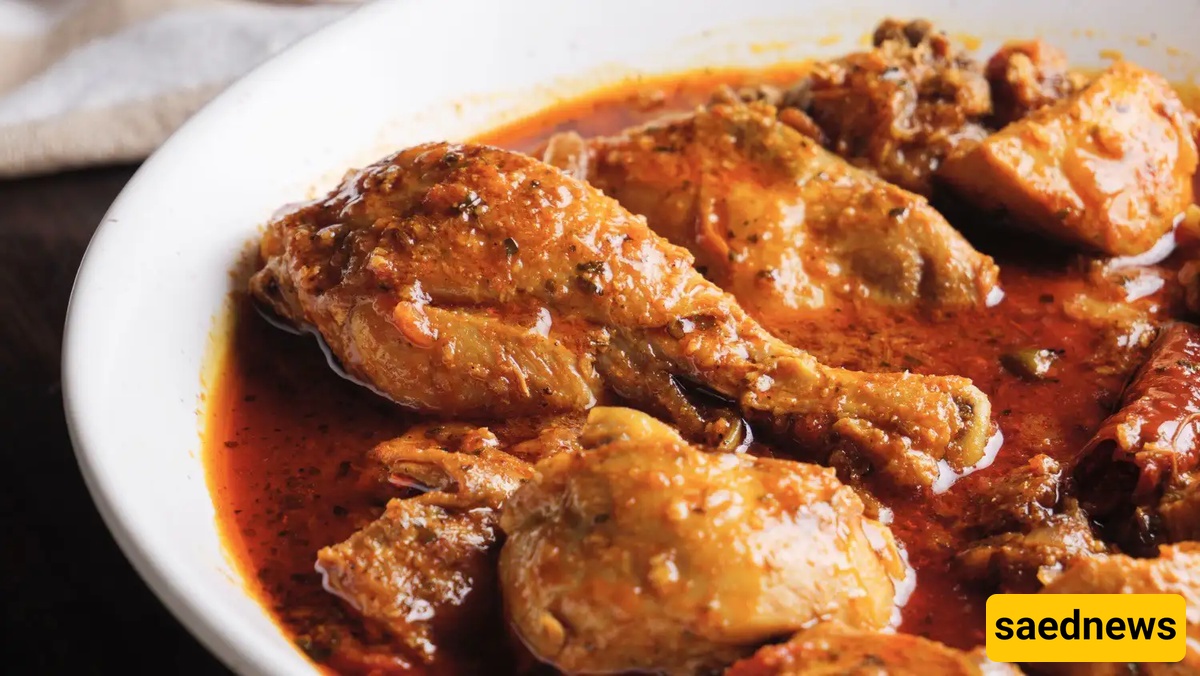
According to SAEDNEWS, resting after cooking is an important step that is often overlooked. Many foods continue to change even after the heat is turned off. During this time, moisture spreads more evenly, flavors combine, and the final texture becomes more pleasant.
Resting allows the internal moisture of food to move from areas with higher concentration to drier parts. This process helps prevent dryness and makes each bite more flavorful. Foods with thicker textures usually benefit more from this period because they need extra time for their structure to settle.
When food is removed from heat, its temperature gradually decreases and the cooking process slows down. This gentle transition helps maintain softness and prevents the outside from becoming too dry while the inside remains properly prepared. Resting also allows flavors created during cooking to become more noticeable.
Some dishes become softer and more enjoyable when given enough time to rest. Ingredients need time to absorb surrounding flavors and reach a balanced texture. Skipping this step may result in food that feels uneven or less satisfying, even if it was cooked correctly.
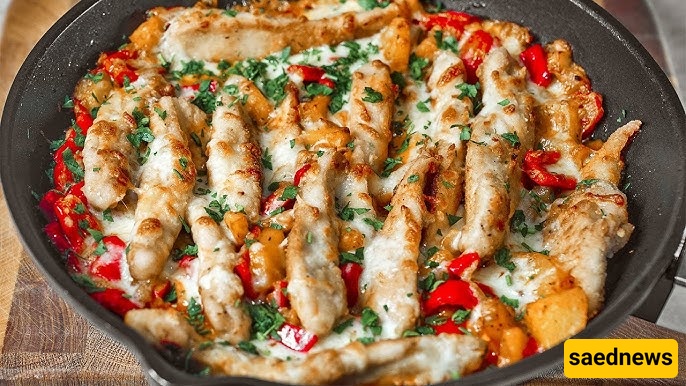
The ideal resting time depends on the type and size of the food. Smaller portions may need only a few minutes, while larger dishes often require more time. Paying attention to the texture, moisture, and serving style can help determine when food is ready to enjoy.
Resting food after cooking requires little effort but can greatly improve the final experience. By allowing flavors to settle and textures to develop naturally, meals can become more balanced, aromatic, and enjoyable.