SAEDNEWS: Finding your way without internet access is an important travel skill that helps people stay confident and prepared in unfamiliar places. Using traditional navigation methods, observing surroundings, and carrying useful tools can make it easier to reach destinations without relying on digital connections.

According to SAEDNEWS, knowing how to navigate without internet can be very useful during trips, outdoor activities, or situations where online maps are unavailable. Traditional navigation skills help people become more independent and reduce the stress of being in an unfamiliar area.
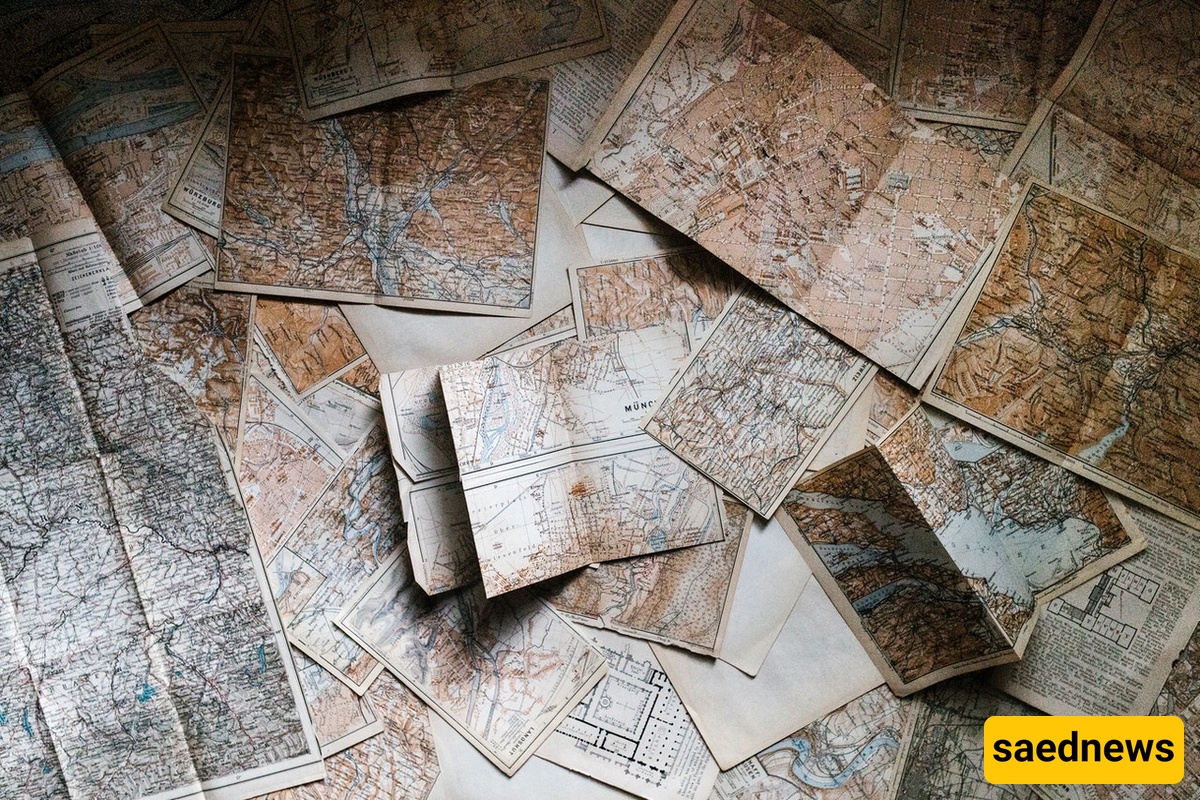
Paper maps remain a reliable tool for offline navigation. Learning how to read streets, landmarks, and directions on a map can help travelers understand their surroundings better. Asking local people for guidance and paying attention to signs can also provide valuable information about the route.
Recognizing important landmarks is one of the easiest ways to remember a path. Buildings, natural features, roads, and other visible points can help people identify their location and avoid getting lost. Creating a mental picture of the route makes returning to a place easier.
Understanding basic directions such as north, south, east, and west can improve navigation abilities. Observing the position of the sun and noticing environmental clues can help determine direction when electronic tools are not available.
Planning ahead makes offline navigation much easier. Checking the route before leaving, saving important addresses, and carrying necessary information can prevent confusion later. Having a general understanding of the area increases confidence during travel.
Remaining calm is essential when a person loses their way. Instead of rushing, it is better to stop, observe the surroundings, and think about the last known location. Careful attention and logical decisions can help find the correct path and ensure a safer journey.