SAEDNEWS: Scientifically, this island remains a mystery to researchers. The strange and unusual sounds coming from the island have attracted the attention of scientists and sparked further investigation.
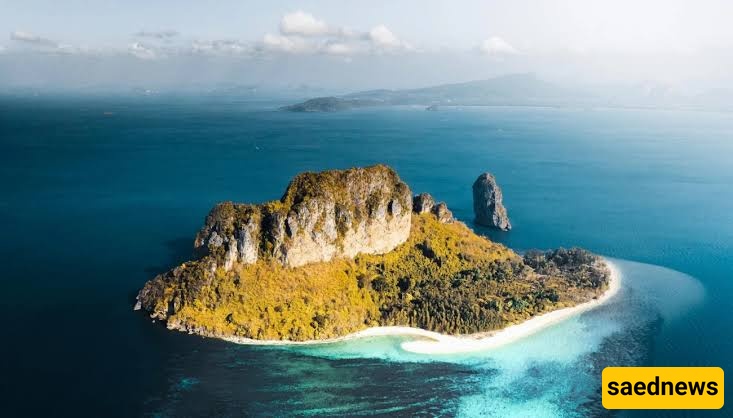
According to Saednews, There are countless uninhabited islands scattered across the world, and even more remain hidden in remote places that humans have barely explored. Among the many mysterious locations said to exist, there is a strange island in the Pacific Ocean that has reportedly earned the name “Crying Island” because of eerie sounds resembling the cries of a baby.
According to stories surrounding the island, very few people have been able to approach or land there. Some accounts even claim that people experience strange sensations or hallucinations after getting too close. This has led to an enduring question: could there really be something unusual—or even unexplained—hidden on this mysterious island?
The Pacific Ocean is the largest ocean on Earth and has long been associated with remote islands, unexplored waters, and unusual natural phenomena. One such story concerns the mysterious Crying Island, which is said to be located somewhere in the Pacific.
Descriptions of the island claim that it is relatively small, with a diameter of roughly 2,000 meters and a total area of about 6,000 hectares. Because of its remote location, the island is reportedly uninhabited.
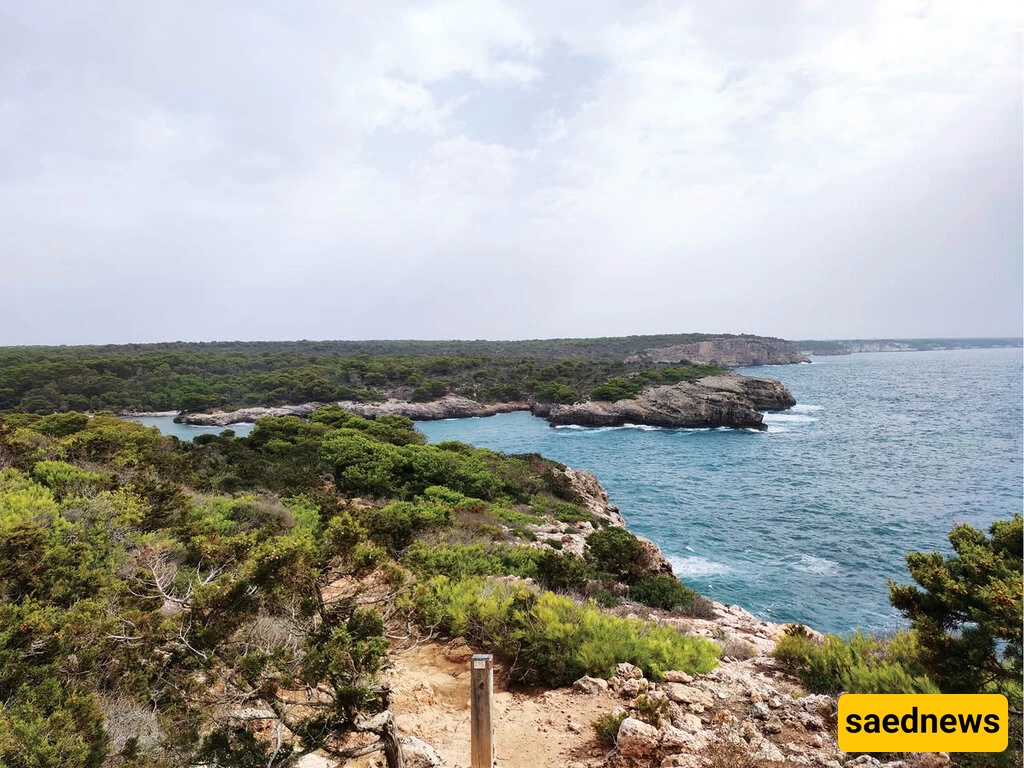
What makes the island particularly intriguing is the strange sound supposedly heard around it. Witnesses have described the noise as resembling the continuous crying of a baby. At other times, the sound is said to resemble human moaning, the cries of animals, or even the collective sound of many people mourning.
The island has reportedly been given its unusual name because of the mysterious sounds associated with it.
Descriptions of the phenomenon vary considerably. Some accounts describe the sound as a painful cry, while others compare it to the sound of people gathered at a funeral. In some versions of the story, the noise is even said to resemble the cries of birds and animals.
Because of its sad and unsettling character, the mysterious sound has become closely associated with the island and inspired the name Crying Island.
Stories about Crying Island suggest that its strange sound was first reported by a ship during the 1960s. The unusual phenomenon later became a subject of interest among researchers and people fascinated by unexplained mysteries.
By the 1980s, the strange sound was reportedly being discussed in connection with possible scientific explanations. However, much of the information surrounding Crying Island remains part of an unverified mystery rather than a well-documented scientific case.
One of the biggest questions surrounding the island is the origin of its unusual sound.
One proposed explanation involves the island's geographical characteristics and the movement of wind around its terrain. According to this theory, particular wind conditions interacting with the island's landscape could produce unusual noises that travel across the surrounding area.
Natural formations can sometimes create surprisingly eerie sounds. Wind passing through rocks, caves, narrow openings, vegetation, or coastal formations can produce tones that may sound remarkably similar to human voices or animal cries.
However, this explanation has not been conclusively established as the source of the alleged Crying Island phenomenon.
Because there is no widely accepted explanation for the story, several alternative theories have been proposed by people interested in the mystery.
One theory suggests that underground geological formations, sediments, or possible petroleum deposits could be responsible for unusual sounds beneath the island.
Although underground geological activity can produce various noises, there is no established evidence confirming that such deposits are responsible for the alleged sounds of Crying Island.
Another popular theory involves undiscovered animals.
Some enthusiasts have suggested that unusual sounds could be produced by animals living on or around the island. Remote regions of the Pacific contain ecosystems that remain poorly studied, making the idea appealing to mystery enthusiasts.
Nevertheless, there is currently no reliable evidence confirming the existence of unknown creatures responsible for the sounds.
A further theory proposes that underground tunnels or natural cavities could amplify or transform sounds.
Caves and hollow geological structures can act as natural acoustic chambers, allowing wind, waves, and animal sounds to become distorted and travel considerable distances. This could potentially explain why an ordinary natural sound might be perceived as something much more mysterious.
Again, there is no confirmed evidence establishing that underground tunnels are responsible for the Crying Island legend.
The most important distinction is between a mysterious story and a scientifically verified phenomenon.
There is no widely recognized scientific evidence establishing that Crying Island is inhabited by supernatural beings, unknown creatures, or anything paranormal. Likewise, the claims about hallucinations experienced by people approaching the island have not been reliably established.
Natural explanations—including wind, waves, geological formations, wildlife, and acoustic effects—are generally more plausible than supernatural interpretations when investigating unexplained sounds.
At the same time, without reliable recordings, precise geographic information, and independent scientific investigation, it is difficult to determine exactly what phenomenon inspired the Crying Island story.
Crying Island is said to be somewhere in the Pacific Ocean and is described in mystery stories as one of the world's remote and unexplained islands. Its exact location is not reliably established in the available accounts.
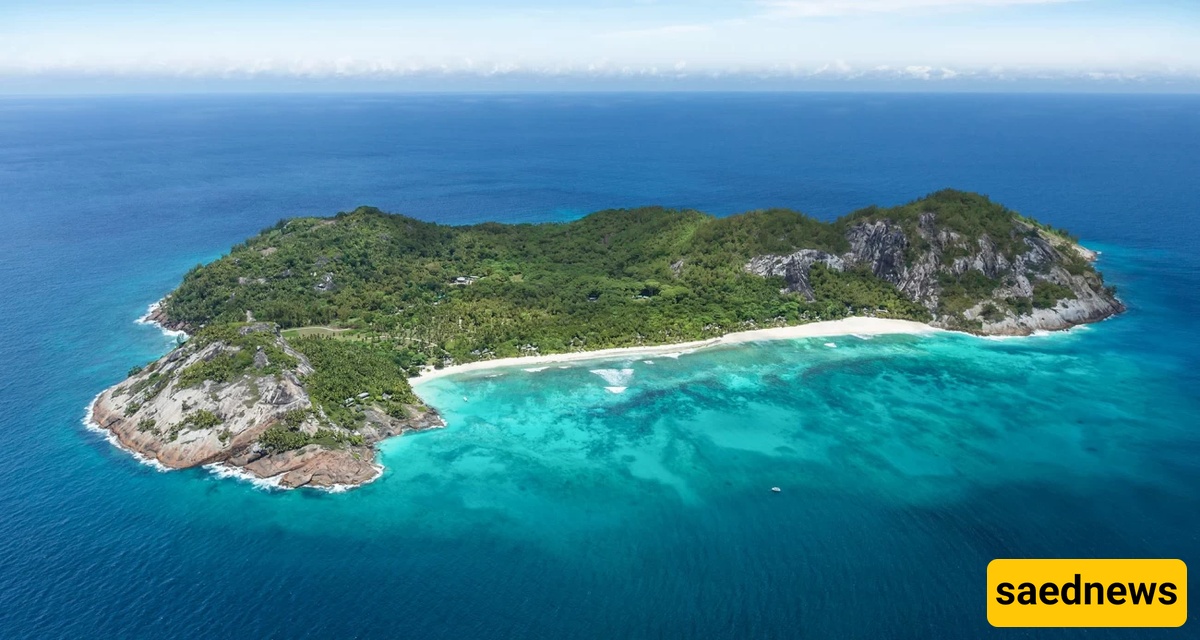
The name comes from reports of strange sounds allegedly heard around the island. These sounds have been compared to the crying of a baby, human mourning, or the cries of animals.
There is no widely documented, comprehensive scientific investigation that conclusively establishes the phenomenon described in the legend. Many claims about the island remain unverified.
No reliable evidence has confirmed the existence of unknown creatures responsible for the reported sounds.
Because the island's exact identity and location are unclear in many versions of the story, claims about restricted access should be treated cautiously. There is no reliable evidence establishing a standard tourist-access policy for a specific island officially recognized as “Crying Island.”
The story of Crying Island combines remote geography, unexplained sounds, and imaginative theories to create one of the Pacific Ocean's more intriguing modern legends.
Whether the mysterious crying sound was caused by wind interacting with the landscape, waves and geological formations, wildlife, or simply a story that grew more dramatic over time remains uncertain.
For now, the Crying Island mystery is best viewed as an unverified legend rather than a confirmed paranormal phenomenon—a fascinating tale that raises more questions than it answers.