SAEDNEWS: For centuries, the magnificent Potala Palace has represented the dedication and spiritual devotion of the Tibetan people. Thousands of pilgrims from around the world travel to the city of Lhasa to visit this historic palace and pay their respects to its revered status and symbolic significance.
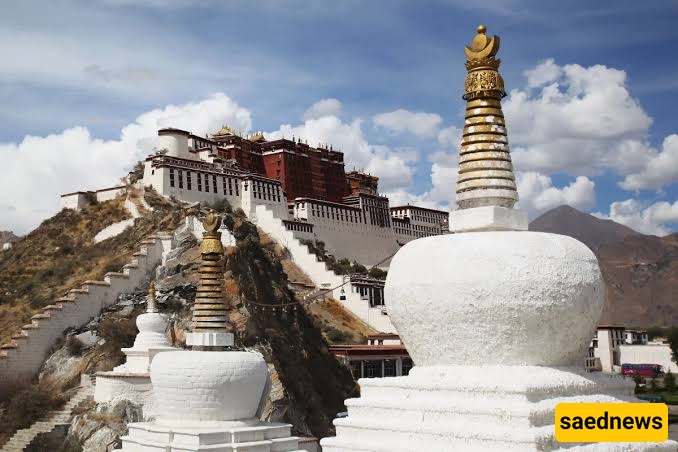
According to Saednews, The magnificent Potala Palace is considered the highest ancient palace in the world, standing at an average elevation of about 3,750 meters above sea level. It rises approximately 100 meters above the ground level of Lhasa, Tibet. This remarkable structure was built in 1645 by the Fifth Dalai Lama as the center of the Tibetan government.
The enormous palace consists of 13 floors, contains more than 1,000 rooms, and covers an area of over 13 hectares. The stone walls of the palace have an average thickness of nearly 3 meters. Located in the traditional capital of Tibet, in the heart of Lhasa, the palace stands about 2 kilometers north of the Lhasa River and approximately 5 kilometers south of Sera Monastery.
During the months of June to August, tourism in Lhasa reaches its peak. To protect the Potala Palace and its surroundings from damage, strict visitor regulations are applied, and the number of tourists allowed to enter is limited. Only around 2,500 tickets are sold each day, and visitors are organized into small groups. Travelers planning to visit this extraordinary palace should note that access is controlled and independent visits are not always possible.
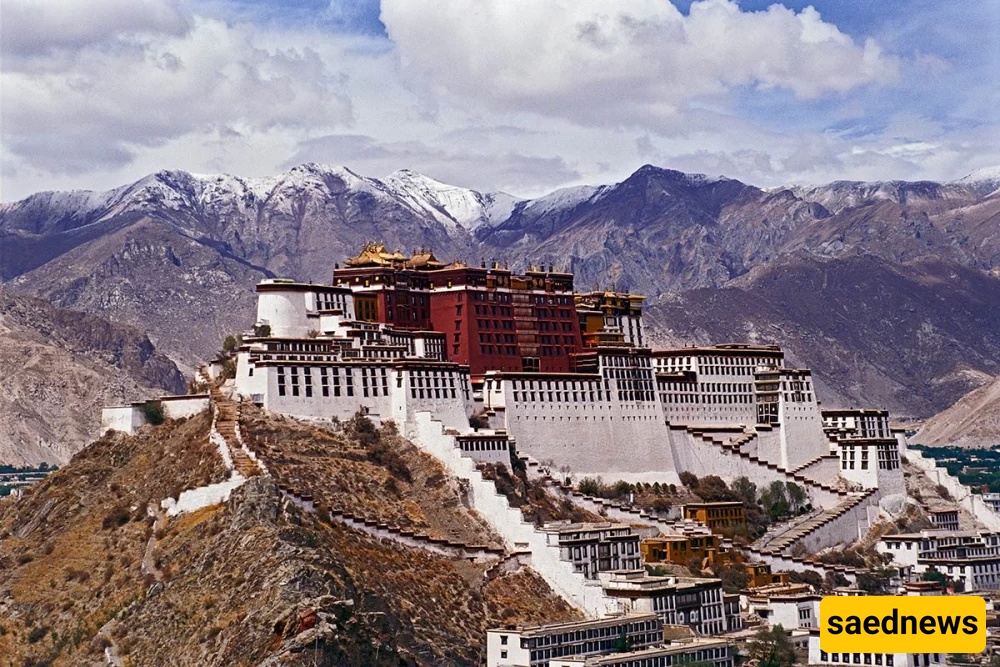
The palace’s impressive architecture, historical importance, and cultural value have made it one of Tibet’s most remarkable landmarks. Visitors from around the world admire the grandeur and beauty of this legendary structure.
The main structure of Potala Palace is divided into two major sections: the Red Palace and the White Palace. The beautiful murals covering the inner walls are not only visually stunning but also reveal stories about Tibetan history, religion, and traditions. The golden roofs above the Red Palace are among the most breathtaking features and are a highlight for visitors.
The Red Palace is the tallest and most central section of Potala Palace. It consists of several prayer halls and religious chambers. This area was used by the Dalai Lamas for prayers, meditation, and religious activities, while also serving as a center for the study and promotion of Buddhist teachings.
The tombs of several Dalai Lamas and important Tibetan spiritual leaders are located inside the Red Palace. Each tomb was constructed with extraordinary craftsmanship to honor these respected figures.
The tomb of the Fifth Dalai Lama, the founder of the current Potala Palace, is located in the western part of the Red Palace. It is decorated with magnificent designs made from gold, diamonds, pearls, and other precious stones, reflecting his important spiritual status among the Tibetan people.
The White Palace served as the residence of ten Dalai Lamas and the spiritual leaders of Tibet. It also functioned as an administrative center and royal court. Government offices, meeting halls, and official departments of the Tibetan administration were located within this section.
The original structure of the White Palace was built in 637 by King Songtsen Gampo as a gift for his bride. However, it was destroyed during the 9th century. The Fifth Dalai Lama later constructed the present palace on the site of the former ruins, which is why his legacy remains strongly connected with Potala Palace.
The beautiful Norbulingka complex was built in 1755 and became the summer residence of the Dalai Lamas, while the White Palace became their winter residence.
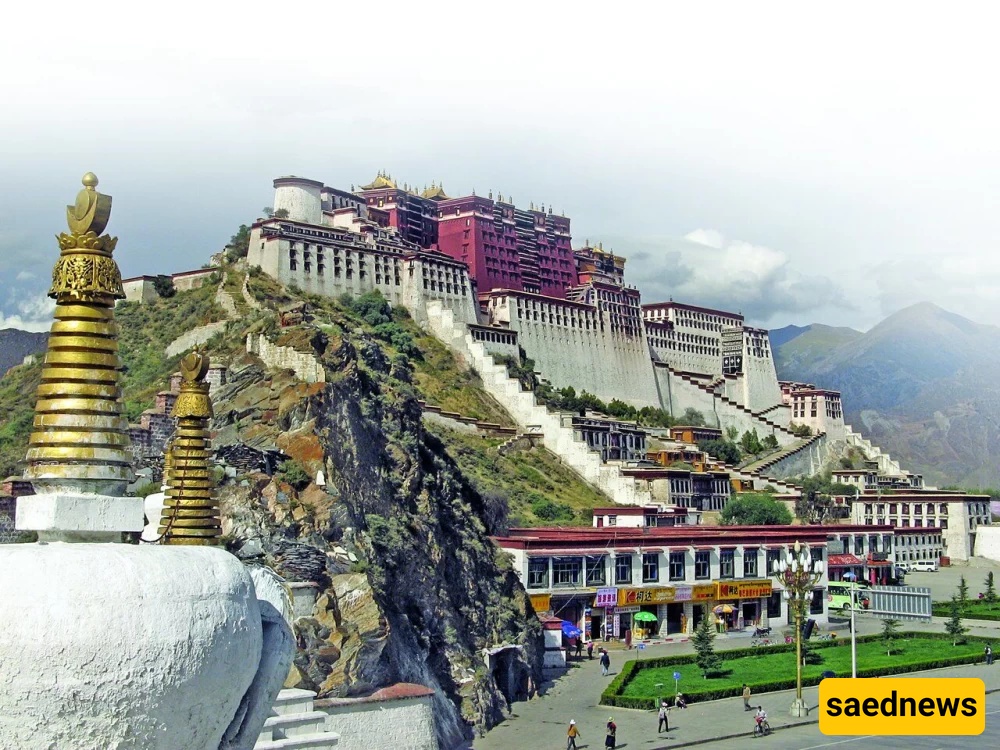
Inside this magnificent stone and wooden structure are countless historical documents, religious treasures, artworks, and handicrafts representing Tibetan culture and traditions. Large Buddha statues, ancient paintings, valuable artifacts, and remarkable artistic creations can be found throughout the palace.
The detailed murals and artistic works tell stories about the lives of the Dalai Lamas, Tibetan history, religious beliefs, and the customs of the people of this unique region.
One important section contains wall paintings depicting the life and achievements of the Fifth Dalai Lama. Other valuable artistic treasures include beautifully decorated sculptures, traditional Tibetan statues, and classical paintings.
The sacred halls inside the world’s highest ancient palace feature unique decorations and designs. Among the most important areas is the Sasong Langjie Hall, built in 1679. Inside this hall is a statue of Emperor Qianlong, the fourth emperor of the Qing Dynasty, who ruled over China.
Stone inscriptions inside the palace were written in Han, Manchu, Mongolian, and Tibetan languages, recording the long history of the palace and its connection with Tibetan and Chinese rulers. For centuries, Dalai Lamas celebrated the Tibetan New Year in this area and offered prayers for peace, guidance, and prosperity for the people of Tibet.
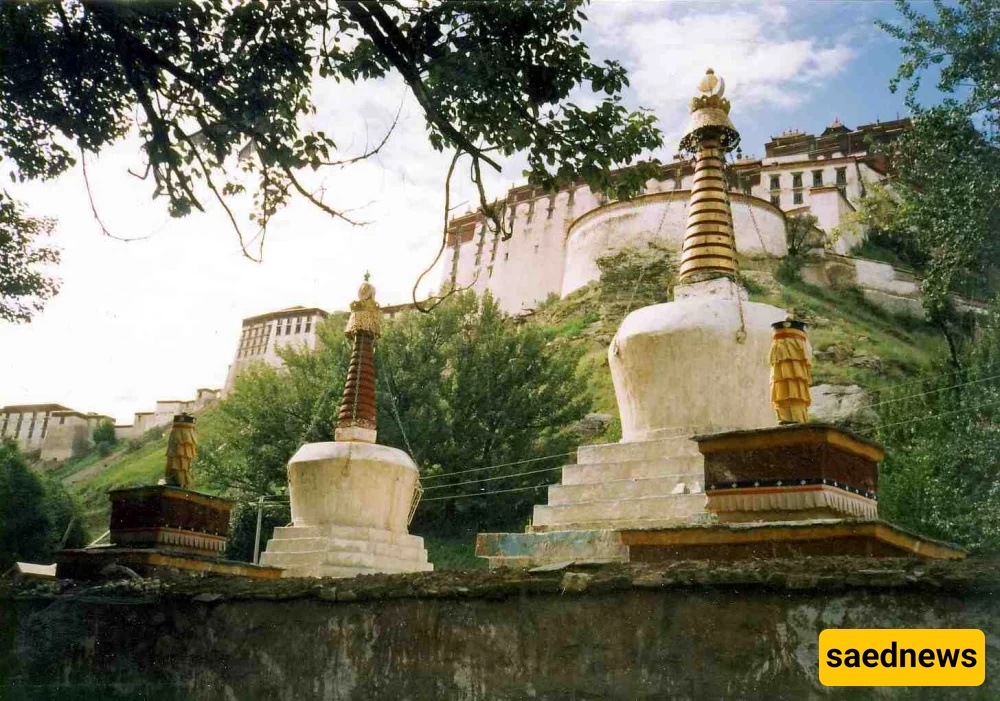
The collection of golden roofs gives Potala Palace a spectacular appearance. Located above the Red Palace, these roofs consist of seven structures covered with layers of gold and bronze. They are considered among the most important Buddhist architectural features associated with the Dalai Lamas.
Each golden roof has a cone-shaped design decorated with floral and bell-like elements that also function as lightning protection. These structures help prevent direct lightning strikes from damaging the palace.
Visitors who reach the upper sections of the palace can enjoy breathtaking views of the blue sky, white clouds, and the beautiful landscape of Lhasa below.
The best places to enjoy a complete view of Potala Palace are Jokhang Temple, located east of the palace, and Chakpori Hill, located southwest of it. Potala Palace, together with Jokhang Temple, has been recognized as a UNESCO World Heritage Site.
For a comfortable and memorable journey, visitors should bring warm clothing because of the high altitude and cold conditions. Obtaining tickets can be challenging due to strict visitor limits, so advance planning and reservations are recommended.
During the busiest seasons, visitors may have only about an hour to explore the palace. Climbing to Potala Palace requires good physical condition because of the high altitude. Walking slowly, resting when needed, and enjoying the surrounding scenery will help prevent altitude-related difficulties.
Potala Palace remains one of the world’s greatest architectural treasures, preserving centuries of Tibetan history, spirituality, and artistic excellence.