SAEDNEWS: The Mecca Mosque is one of the historic Sunni mosques in India. It was built during the reign of the Qutb Shahi dynasty in Hyderabad. The mosque is also the burial site of the Nizams of Hyderabad, making it an important religious and historical landmark.
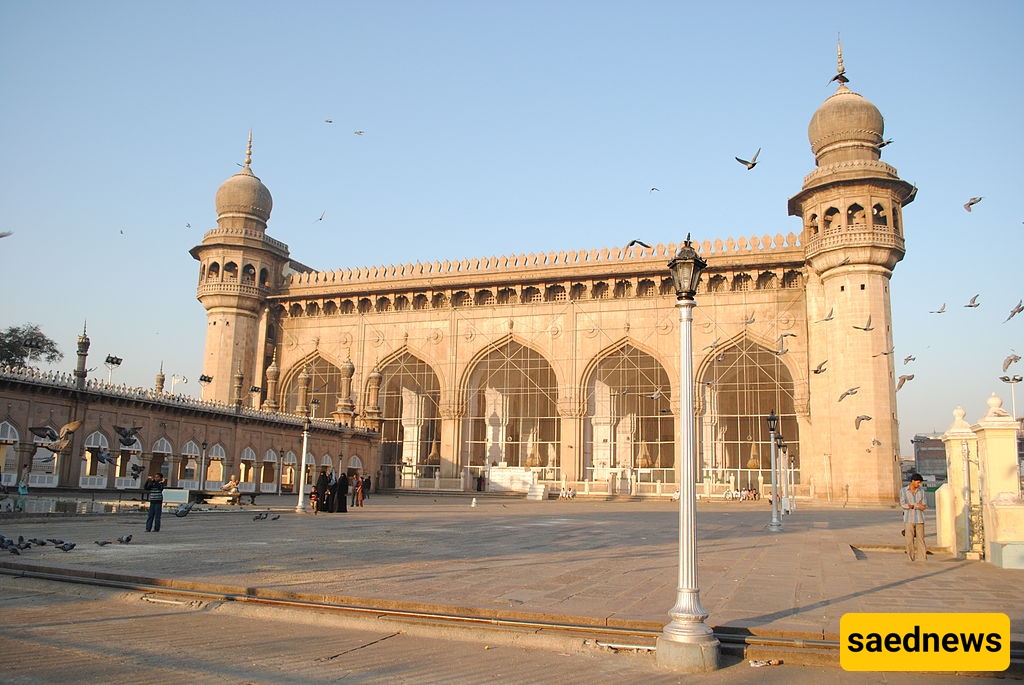
According to Saednews, Mecca Masjid in Hyderabad is one of the city's most iconic landmarks and among the largest and oldest mosques in India. Recognized as a protected heritage monument, it is revered for its historical significance, magnificent architecture, and religious importance. According to local tradition, a sacred relic believed to be a strand of Prophet Muhammad's (PBUH) hair is preserved within the mosque, making it one of the most respected Islamic sites in the region.
Construction of Mecca Masjid began in 1611 during the reign of Sultan Muhammad Quli Qutb Shah, the fifth ruler of the Qutb Shahi dynasty of Golconda. The project continued for several decades and was ultimately completed in 1694, approximately 77 years after construction began.
More than 8,000 workers participated in building the mosque. One of its most remarkable architectural features is the grand central arch, carved from a single block of granite. Historical records suggest that it took five years to quarry and transport this massive stone to the construction site.
French traveler Jean-Baptiste Tavernier described the mosque during his travels, noting the enormous scale of the project and the immense effort required to transport the giant granite stone used in the prayer hall.
Mecca Masjid is an outstanding example of Indo-Islamic architecture. The mosque is constructed almost entirely from solid granite, giving it exceptional strength and grandeur.
Its main prayer hall measures approximately 75 feet high, 180 feet long, and 220 feet wide, with enough space to accommodate around 10,000 worshippers at a time.
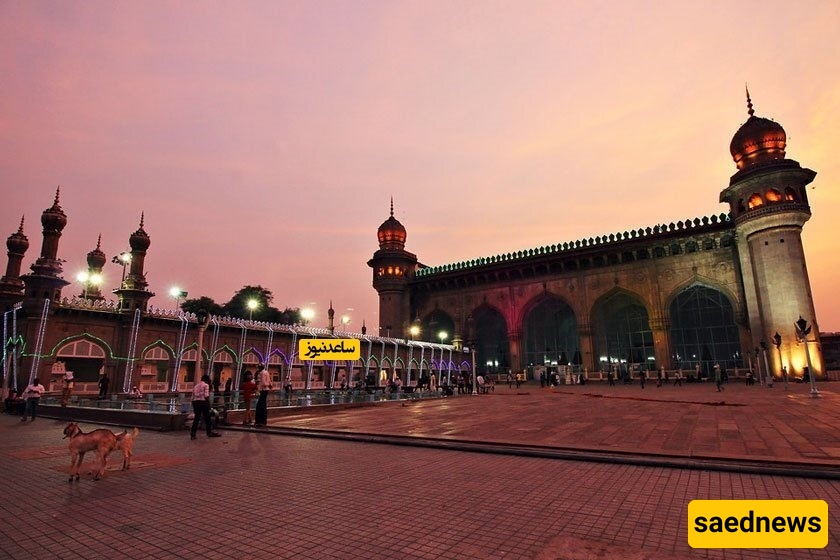
Visitors are immediately greeted by a large ablution pool at the entrance courtyard. A local legend says that anyone who sits on the pair of ancient stone benches beside the pool will someday return to visit the mosque again.
The mosque's walls, arches, and pillars are beautifully decorated with Quranic inscriptions, intricate carvings, and elegant architectural details. On calm days, the reflection of the mosque in the courtyard pool creates a striking photographic view.
The mosque derives its name from Mecca, Islam's holiest city. According to historical tradition, bricks made from soil brought from Mecca were incorporated into the construction of the mosque, giving rise to the name "Mecca Masjid." Some local accounts describe the building materials differently, but the widely accepted tradition is that sacred earth from Mecca was used in the bricks rather than the entire structure being built with materials transported from Saudi Arabia.
Within the mosque complex are the marble tombs of several rulers of the Asaf Jahi (Nizam) dynasty, which governed Hyderabad after the Qutb Shahis. The rectangular mausoleum features elegant arches, decorative balconies, and slender minarets, reflecting the refined architectural style of the Nizam period.
Beyond its historical importance, Mecca Masjid is admired for its peaceful atmosphere. The spacious courtyard, graceful minarets, and quiet surroundings provide visitors with an ideal place for reflection and spiritual contemplation. Non-Muslim visitors are welcome to enter the mosque, provided they dress modestly and respect the site's religious customs.
On 18 May 2007, a bomb explosion occurred inside Mecca Masjid during Friday prayers. The attack claimed the lives of at least 13 people and injured many others, marking one of the darkest moments in the mosque's modern history.
Located in the heart of Hyderabad near the famous Charminar, Mecca Masjid remains one of India's most significant religious and historical monuments. Entry is generally free, and visitors from around the world come to admire its architecture, learn about its rich history, and experience its tranquil environment.
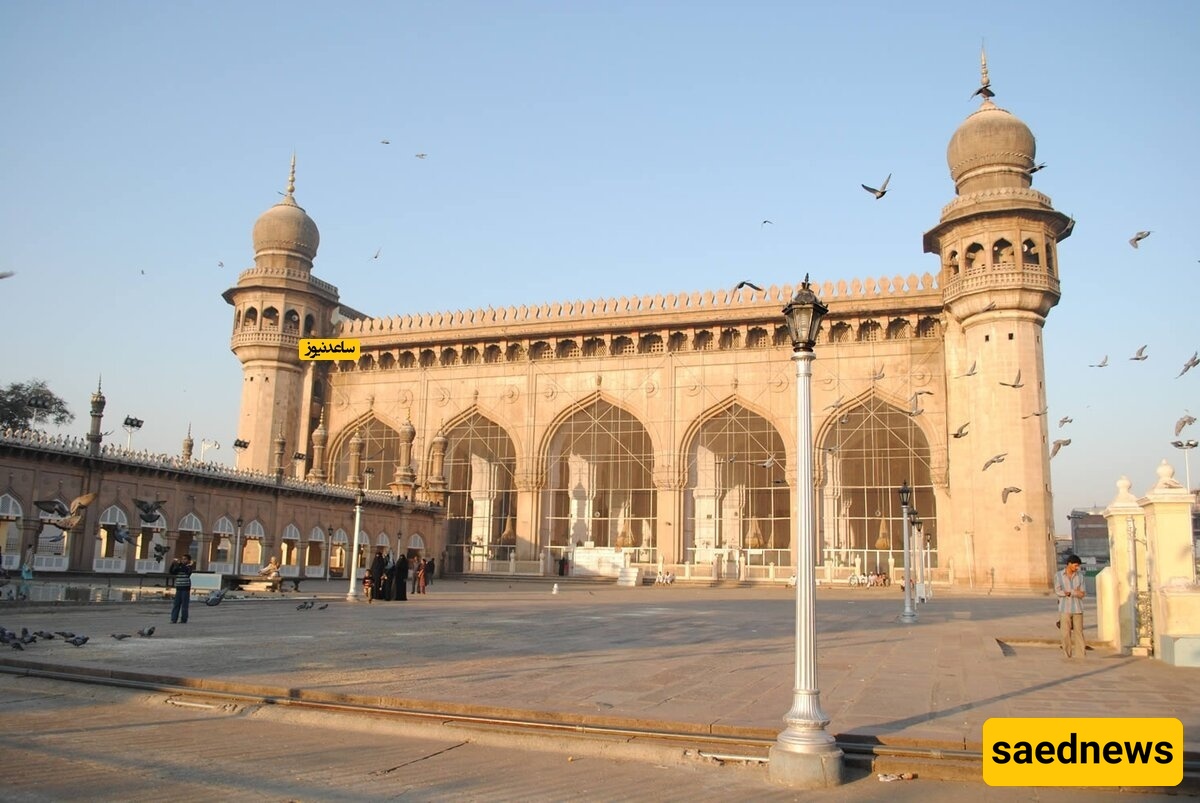
Mecca Masjid is one of Hyderabad's greatest architectural and cultural treasures. With its centuries-old history, remarkable granite construction, magnificent prayer hall, and deep religious significance, it continues to stand as a symbol of Islamic heritage in India. Whether you are interested in history, architecture, or spirituality, a visit to Mecca Masjid offers a memorable glimpse into the rich legacy of Hyderabad.