SAEDNEWS: Tbilisi’s historic district is one of the city’s top attractions and a must-see for every visitor. A trip to Georgia’s capital isn’t complete without exploring its famous landmarks. Even those who aren’t history enthusiasts can appreciate the district’s beautiful architecture and unique atmosphere.
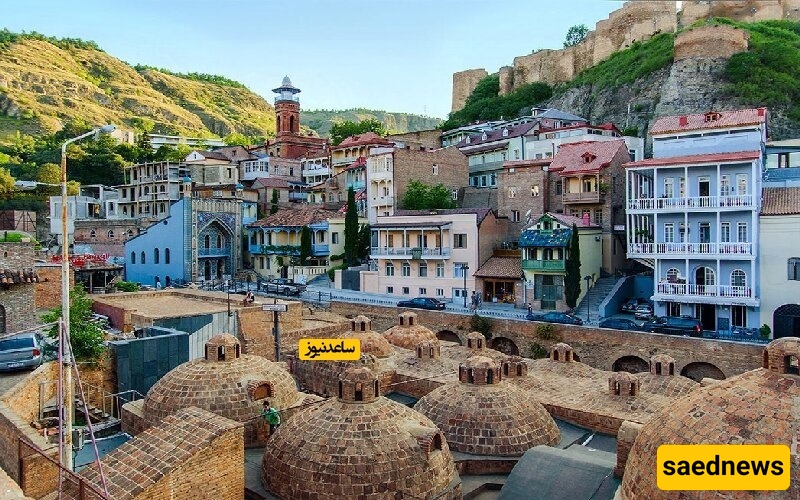
According to Saednews, Tbilisi Old Town is the cultural and historical center of Georgia’s capital, offering visitors a fascinating blend of ancient architecture, winding streets, and centuries of rich heritage. Nestled beneath the iconic Narikala Fortress, this charming district combines Georgian traditions with Persian, Arab, Russian, and European influences, making it one of the city's most captivating destinations.
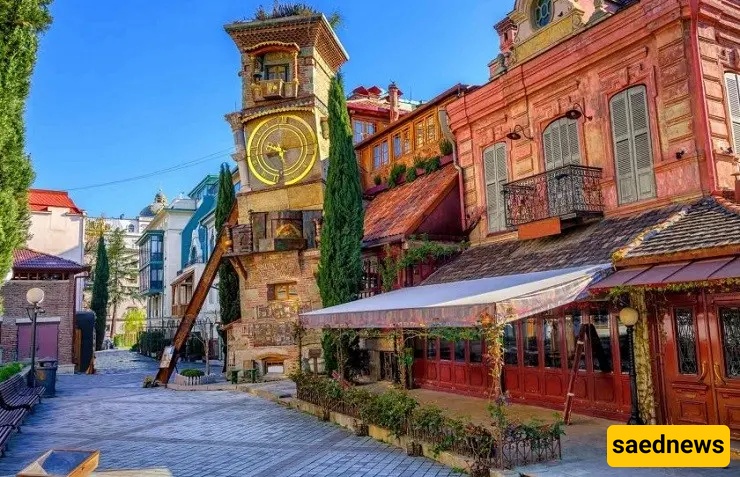
Tbilisi, known as Tbilisi (თბილისი) in Georgian, is the capital and largest city of Georgia. While the city is famous for its modern developments, its Old Town remains the soul of Tbilisi. Walking through its narrow cobblestone streets feels like stepping back in time, with beautifully preserved brick houses, carved wooden balconies, hidden courtyards, and historic landmarks around every corner.
Many parts of the district have been carefully restored, while others have retained their authentic medieval character. This combination of preservation and restoration creates a unique atmosphere that attracts visitors from around the world.
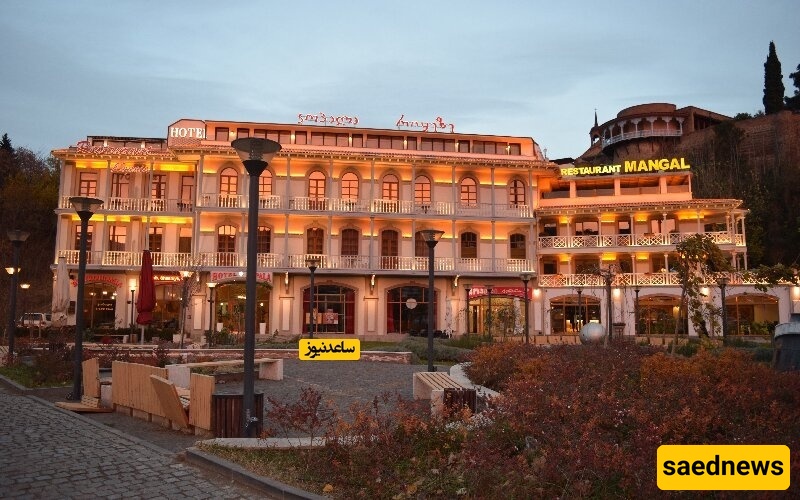
According to Georgian legend, the city was founded around the 5th century by King Vakhtang I Gorgasali. During a hunting expedition, the king's falcon pursued a pheasant and disappeared. The bird was later discovered near a naturally hot spring. Impressed by the warm mineral waters and the surrounding valley protected by mountains, the king decided to establish a city there.
The name Tbilisi comes from the Georgian word tbili, meaning warm, a reference to the area's abundant hot sulfur springs. Over the centuries, Tbilisi became an important trading center connecting Europe and Asia. During the 19th century, its Persian-style sulfur bathhouses gained international recognition for their therapeutic mineral waters.
One of the most remarkable aspects of Tbilisi Old Town is its architectural diversity. The neighborhood reflects centuries of cultural exchange, featuring influences from:
Medieval Georgian architecture
Persian and Arab urban design
European Classical architecture
Russian Imperial style
Art Nouveau details
Neoclassical and Stalinist architecture
This blend of styles creates an extraordinary cityscape where churches, mosques, traditional houses, and historic public buildings exist side by side.
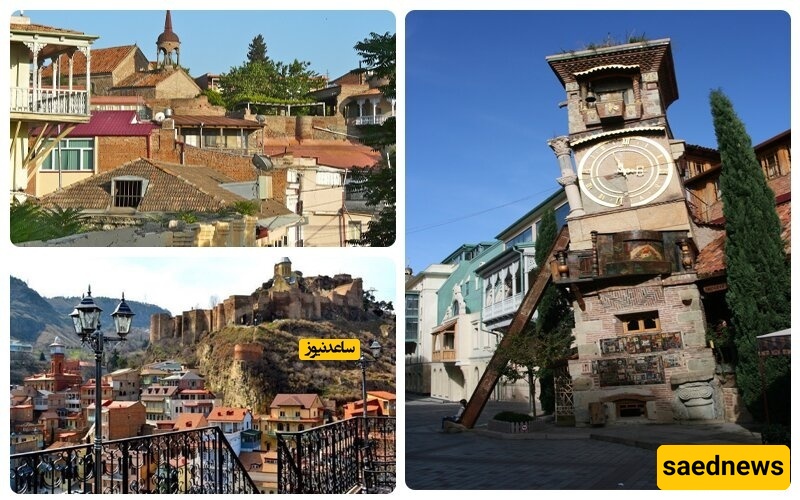
Tbilisi Old Town begins at the foot of Narikala Fortress and extends through a maze of narrow streets lined with historic homes and charming squares.
One of its most important streets is Kote Abkhazi Street, which connects the Historic Square with Freedom Square. This lively avenue is filled with shops, cafés, restaurants, and local boutiques.
The northern section of the Old Town is known as Abanotubani, the city's famous bath district. Here visitors can explore traditional sulfur bathhouses, the Tbilisi Juma Mosque, historic buildings, restaurants, and cafés that preserve the area's centuries-old atmosphere.
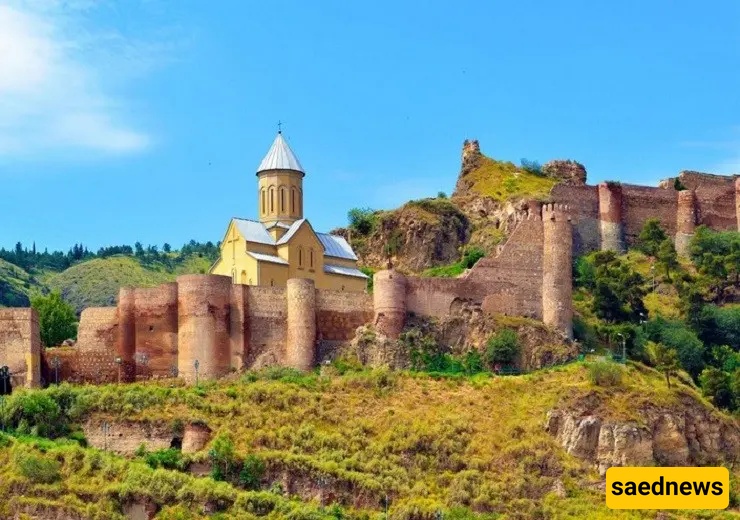
Standing high above the Old Town, Narikala Fortress is one of Tbilisi's oldest landmarks. Dating back to the 4th century, it offers spectacular panoramic views of the city and overlooks both the Botanical Garden and the sulfur bath district.
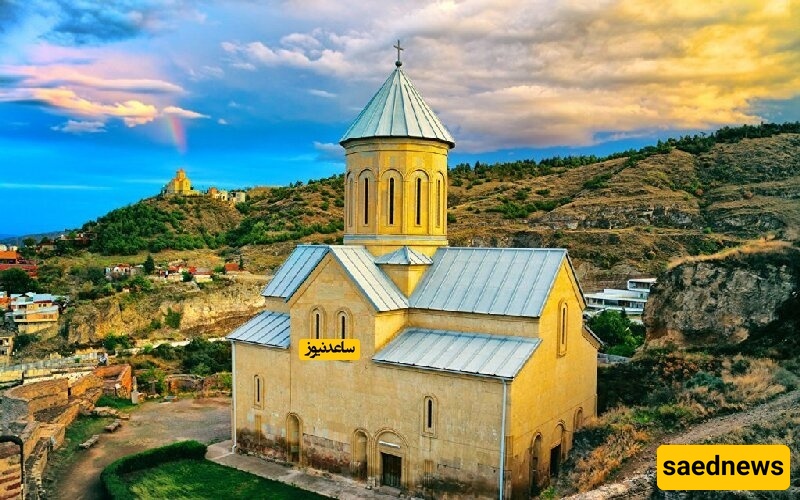
Located below Narikala Fortress, St. Nicholas Church dates back to the 13th century. The church has been carefully restored and remains an important religious and historical site.
Known locally as Kartlis Deda, the Mother of Georgia statue symbolizes the spirit of the nation. Standing approximately 20 meters (66 feet) tall and made of aluminum, the monument overlooks the city from Sololaki Hill. It holds a sword to defend against enemies and a bowl of wine to welcome guests.
The sulfur baths are among Tbilisi's most famous attractions. Fed by natural hot springs rich in sulfur and minerals, these traditional bathhouses have served locals and travelers for centuries. Many visitors come to experience their relaxing atmosphere and enjoy the mineral-rich waters that have long been associated with wellness.
Located in the heart of the Old Town, the Tbilisi Juma Mosque is a unique religious landmark. Its architecture blends Islamic and Gothic influences, featuring elegant tilework and a distinctive red octagonal minaret. The mosque reflects the city's long tradition of religious diversity and coexistence.
Tbilisi Old Town has witnessed centuries of political, cultural, and religious change. Although many historic buildings dating from before the 19th century were destroyed during the Persian invasion led by Agha Mohammad Khan in 1795, much of the district has since been rebuilt and preserved.
Today, the Old Town remains one of Georgia's most treasured cultural heritage sites, showcasing the country's resilience, architectural beauty, and multicultural history.
Exploring Tbilisi Old Town is best done on foot. Visitors can wander through picturesque alleyways, discover hidden courtyards, admire colorful balconies, relax in cozy cafés, and capture stunning photographs from numerous viewpoints overlooking the city.
To fully appreciate the district's historical landmarks, museums, churches, bathhouses, and scenic streets, it is recommended to spend at least two days exploring the area.
Tbilisi Old Town is one of the most enchanting historic districts in the Caucasus. Its rich history, diverse architecture, legendary sulfur baths, and iconic landmarks create an unforgettable travel experience. Whether you are interested in history, culture, architecture, or simply enjoying the atmosphere of an ancient city, Tbilisi Old Town deserves a place at the top of your Georgia travel itinerary.