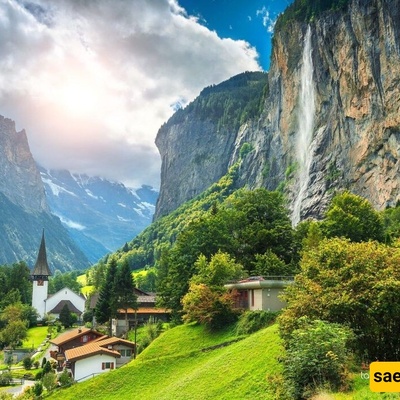
SAEDNEWS: Without a doubt, the heart of France is Paris, a city known as the home of world-famous museums, stunning architecture, and vibrant nightlife. Beyond the capital, small towns, castles, villages, and mountains also offer numerous attractions and unforgettable experiences for travelers.
According to SAEDNEWS, The image of France in your mind can be shaped by many different aspects, including its extraordinary attractions and remarkable landmarks that should never be missed.
Without a doubt, the heart of France is Paris, a city known as the home of world-famous museums, impressive architecture, and vibrant nightlife. Beyond the capital, small towns, castles, villages, and mountains also offer numerous attractions and memorable experiences for travelers. Landmarks such as the Eiffel Tower and the Fontenay Abbey have become symbols of France. The next time you travel to this European country, it is highly recommended to visit these remarkable places.
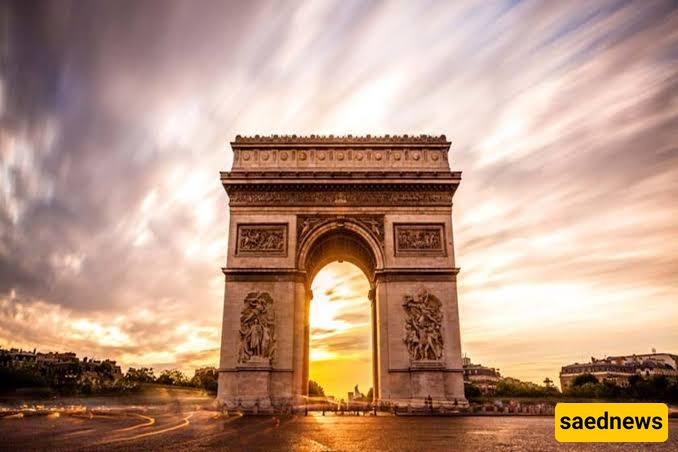
The Arc de Triomphe is one of the most important structures in Paris and is considered a powerful symbol for the French people. This monument was built in 1836 as a tribute to soldiers who lost their lives in the Napoleonic Wars and the French Revolution. For more than 100 years, the Arc de Triomphe was the largest triumphal arch in the world. Today, it stands in Place Charles de Gaulle, at the end of the famous Champs-Élysées Avenue. At the base of the arch lies the Tomb of the Unknown Soldier, which features an eternal flame. To visit this historic landmark in Paris, head to the 8th arrondissement.
The Palace of Versailles is a complex of royal palaces located in the city of Versailles near Paris and is recognized as one of the largest royal palaces in the world.
The palace was originally located in a village with the same name near Paris, but today both the village and the palace are considered part of the Paris metropolitan area. From 1682 until 1789, when revolutionaries forced the royal family to move to Paris, the palace served as the residence and royal court of the kings of France.
The magnificent Palace of Versailles, located just 30 minutes outside the French capital, is definitely worth visiting. In 1623, the city of Versailles was a small town, and the palace was merely a modest stone house. Over time, the palace was expanded and transformed into an extremely luxurious and grand architectural masterpiece. Today, visitors can explore the Palace of Versailles and admire its stunning bedrooms, breathtaking Hall of Mirrors, and beautiful gardens that surround the entire complex.
Located in southern France, the small town of Millau may not be a familiar name to many people, but it certainly deserves a place on your France travel itinerary, mainly because of the impressive Millau Viaduct. The Millau Viaduct is a remarkable cable-stayed bridge that stretches across the Tarn River, and its size and height have broken numerous world records.
Although the bridge was opened in 2004 and is considered one of France’s newest landmarks, its unique and extraordinary design has made it one of the country’s most impressive attractions. In addition, the Millau Viaduct is surrounded by breathtaking landscapes that create the perfect backdrop for some of the most stunning photographs imaginable.
Traveling to France can be an opportunity to visit countless religious monuments, but only a few of them are as remarkable and iconic as the Abbey of Fontenay. Located in the small town of Marmagne, this abbey was originally built in 1118 in the Romanesque architectural style.
Despite its age, much of the original structure of the abbey has remained intact. During your visit, you can explore the dining hall, monks’ rooms, and even the dormitories that were once used by famous religious figures from past centuries.
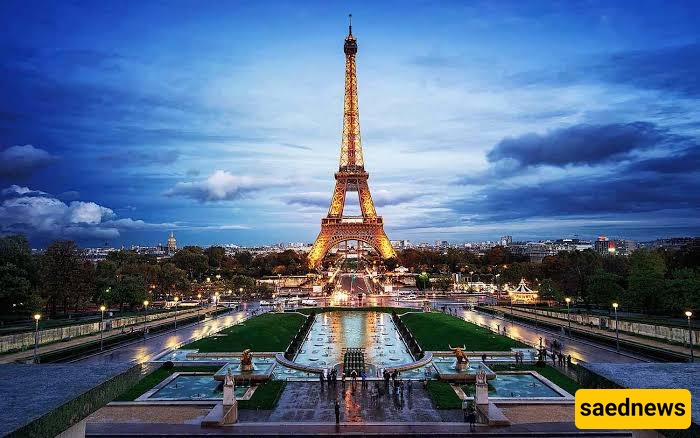
The Eiffel Tower is an iron structure located on the Champ de Mars beside the Seine River in Paris. Today, it is recognized as the symbol of France and is one of the most visited and well-known landmarks in the world.
Construction of the Eiffel Tower began in 1887 and was completed on March 31, 1889. The tower was originally built for the World’s Fair and to celebrate the 100th anniversary of the French Revolution. However, after its construction, the monument was not immediately accepted by everyone. Around 300 people, including famous figures such as Émile Zola, Guy de Maupassant, Charles Garnier, and the renowned French writer Alexandre Dumas, strongly protested against its construction.
Building the Eiffel Tower took two years and two months, with 850 workers involved in the project. The tower consists of 18,038 individual metal parts, which were connected using 2.5 million bolts, nuts, and rivets. The Eiffel Tower stands 324 meters tall and was the tallest structure in the world at the time of its completion. It weighs more than 10,000 tons, including 7,300 tons of steel.